
Why the Term 'Hygiene' Is Used for Sleep
The phrase sleep hygiene was coined in the 1970s by sleep researcher Peter Hauri, who used 'hygiene' the same way public health professionals do - as a framework of preventive practices that protect a basic function. Just as hand-washing routines reduce infection risk, sleep hygiene routines reduce the risk of poor sleep.
This framing matters because it shifts sleep from something that simply happens to you into something you can actively support. It also signals that no single habit is a magic fix - the value lies in combining several practices consistently over time.
Sleep Hygiene Is Not the Same as CBT-I
Cognitive Behavioral Therapy for Insomnia (CBT-I) is a structured, multi-week program delivered by trained clinicians that addresses both behaviors and the thought patterns that perpetuate sleep difficulties. Sleep hygiene education is often one module within CBT-I, but the two are not interchangeable. If you've tried sleep hygiene adjustments for several weeks without improvement, CBT-I - or evaluation by a sleep specialist - may be the more appropriate next step.
The Habits With the Strongest Evidence
Not every tip labeled 'sleep hygiene' carries equal scientific weight. These are the practices with the most consistent support in sleep research:
- Consistent wake time: Anchoring your wake time - even on weekends - reinforces your circadian rhythm, the internal clock that governs sleep-wake cycles. Many sleep specialists consider this the single highest-impact habit.
- Managing light exposure: Bright natural light in the morning helps set your circadian rhythm. In the evening, dimming indoor lighting and reducing blue-light exposure (from phones, tablets, and computers) supports the natural rise of melatonin.
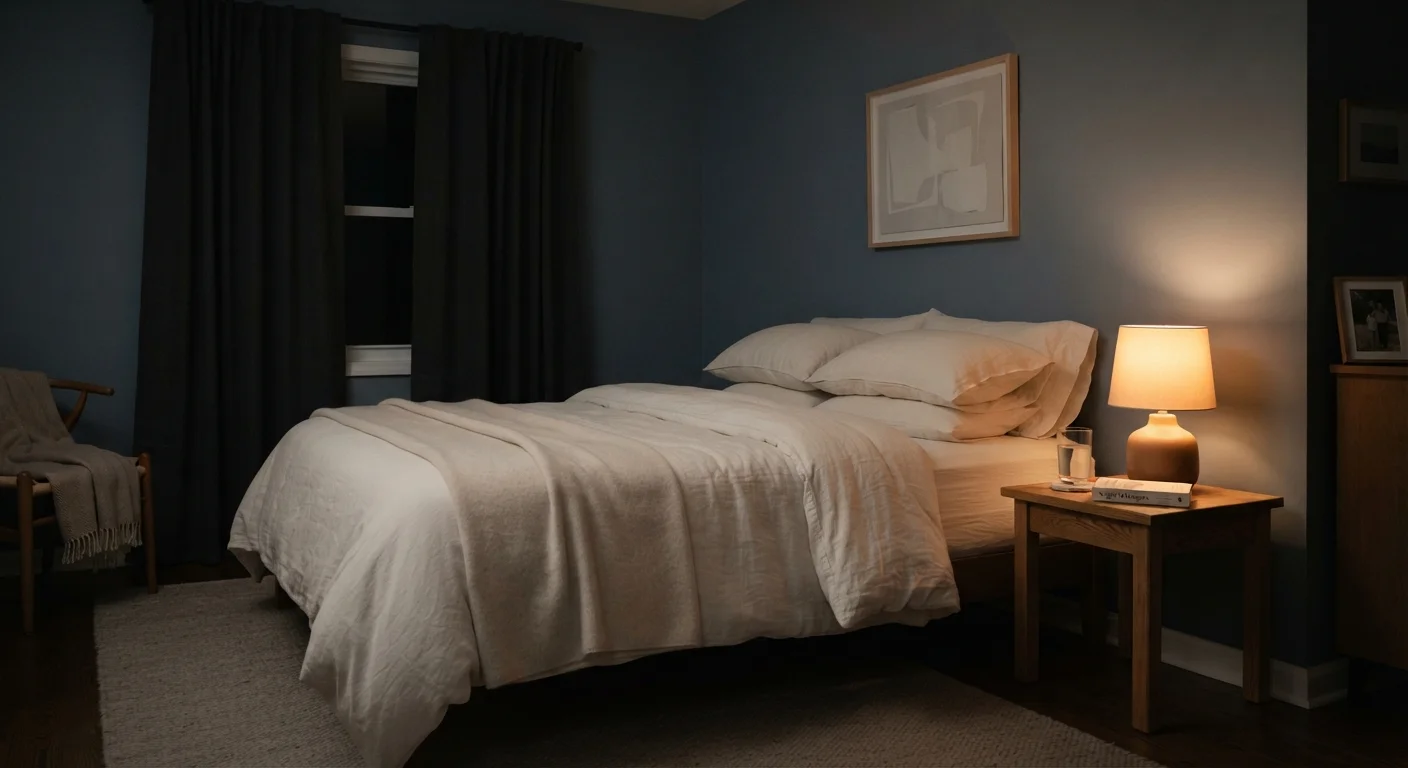
- Keeping the bedroom cool, dark, and quiet: Core body temperature drops during sleep. A cooler room (typically somewhere in the mid-60s °F range for many adults) supports this process. Darkness and reduced noise remove stimuli that prompt wakefulness.
- Limiting caffeine and alcohol timing: Caffeine has a half-life of around five to six hours in most adults, meaning a late-afternoon coffee can still be active in your system at midnight. Alcohol may help with initial sleep onset but disrupts sleep architecture, particularly in the second half of the night.
Start With One Change, Not Ten
Overhauling your entire evening routine at once is a common reason sleep hygiene efforts stall. Pick the single habit most misaligned with the evidence - often an inconsistent wake time or late caffeine - and practice it for two weeks before adding anything else. Sustainable improvement builds from small, repeatable wins.
What Sleep Hygiene Doesn't Cover
Sleep hygiene addresses lifestyle and environment - it is not a treatment for underlying sleep disorders such as sleep apnea, restless legs syndrome, or clinical insomnia. If you consistently apply sound sleep habits and still wake unrefreshed, snore heavily, or feel excessively sleepy during the day, these are signals worth discussing with a healthcare provider.
It's also worth noting that sleep hygiene research has limitations. Much of the evidence comes from studies on people with insomnia, and findings don't always translate perfectly to healthy sleepers. Treating sleep hygiene as a flexible, personal toolkit - rather than a rigid rulebook - tends to be more realistic and sustainable for busy households.
1 in 3
U.S. adults not getting enough sleep
According to the Centers for Disease Control and Prevention (CDC), about one-third of American adults report regularly sleeping less than the recommended amount.
5-6 hrs
Caffeine half-life in most adults
Research on caffeine pharmacology consistently shows that caffeine remains active in the body for several hours, making afternoon and evening consumption a common disruptor of sleep onset.
7-9 hrs
Recommended nightly sleep for most adults
The American Academy of Sleep Medicine and Sleep Research Society jointly recommend seven or more hours of sleep per night for adults to support optimal health.
This article provides general health information for educational purposes only and is not a substitute for professional medical advice. If you have concerns about your sleep or suspect a sleep disorder, please consult a qualified healthcare professional.