When Saving Habits Work Against You
Frugality is genuinely valuable - but some of the most widely repeated money-saving habits are built on assumptions that don't hold up under scrutiny. The result is that cost-conscious shoppers can end up spending more time, energy, and money chasing tactics that produce little or no real return.
This isn't about abandoning careful spending. It's about directing that care toward strategies that actually work. The myths below are some of the most persistent, and correcting them can make a measurable difference in how far a household budget actually stretches. For a broader framework, the home budgeting hub covers foundational principles worth reviewing.
Myth
Buying in bulk always saves money - the bigger the package, the better the deal.
Fact
Bulk buying only saves money when the item is fully used before it spoils, expires, or loses quality.
Warehouse-sized quantities carry a lower per-unit cost on the shelf tag, but that number assumes zero waste. Perishable foods, cleaning products with a limited shelf life, and items you simply won't use often enough can end up costing more in the long run once spoilage or disposal is factored in. A practical check: calculate the realistic usage rate before committing to a large format, and compare that against your storage capacity.
Myth
Store-brand products are noticeably lower in quality than name brands.
Fact
Many store-brand products are produced in the same facilities, to similar standards, as the name-brand equivalents they sit beside.
Retailers frequently contract with the same manufacturers that produce national brands, adjusting packaging rather than formulation. Consumer testing across categories - from pantry staples to over-the-counter health products - has repeatedly shown that store-brand performance tracks closely with premium counterparts. There are genuine exceptions, particularly in categories with complex proprietary formulations, but assuming an automatic quality gap is not supported by the evidence.
Myth
Using coupons is a reliable way to reduce your grocery bill.
Fact
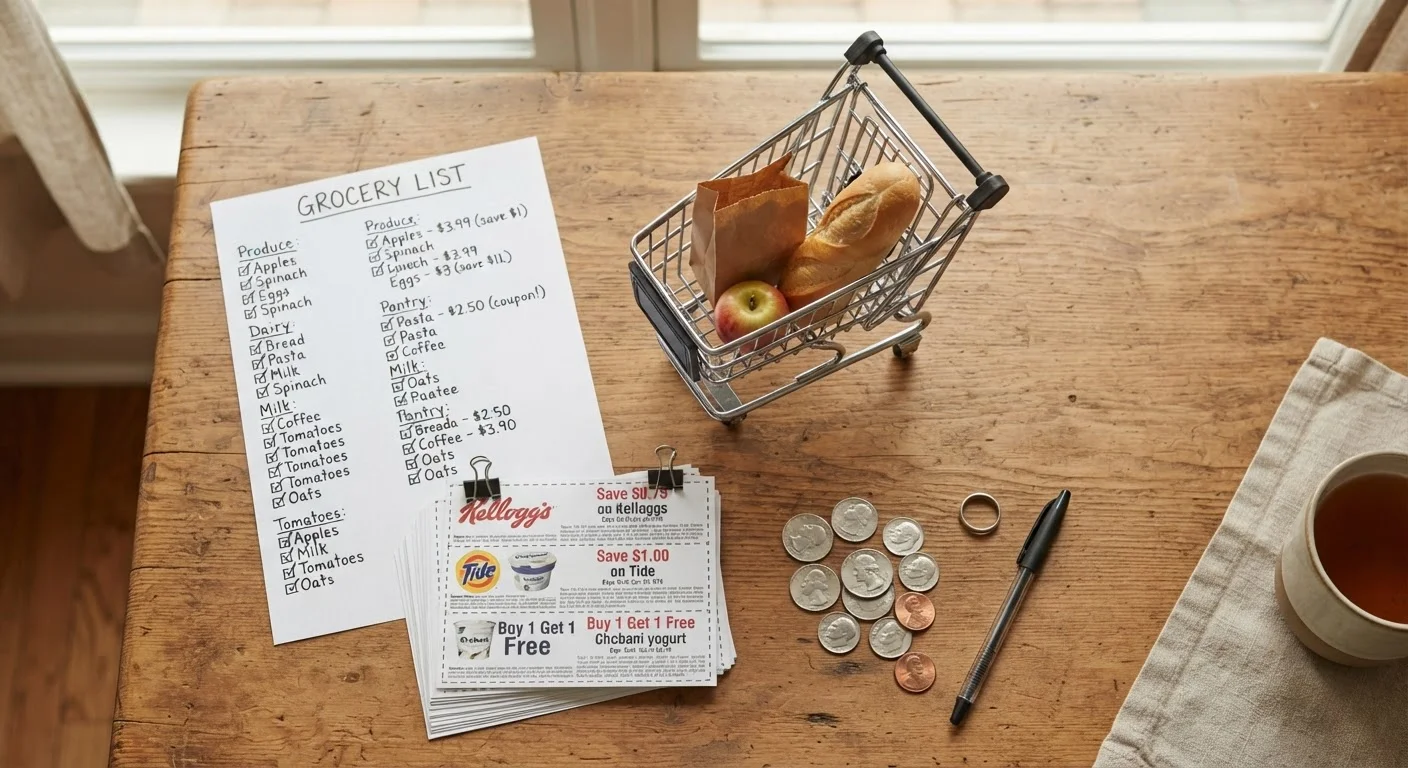
Coupons tend to promote brand switching and encourage purchases of items not already on your list, which can increase total spending.
Research in consumer behavior suggests that shoppers who rely heavily on coupons often end up spending more per trip, not less - because the coupon drives the purchase decision rather than the actual need. Coupons are most valuable when they apply to something you were already going to buy, at a price that undercuts the store-brand alternative. Used outside that narrow window, they function more as a marketing tool than a savings mechanism. See our guide to stretching a grocery budget for approaches that tend to produce more consistent results.
Myth
Cutting small daily expenses - like coffee or lunches out - is the fastest path to meaningful savings.
Fact
High-frequency small expenses matter, but the biggest leverage comes from renegotiating large recurring costs like insurance, subscriptions, and utility plans.
Forgoing a daily coffee saves real money over time, but the math rarely produces transformative results on its own. Recalibrating a single recurring bill - an auto insurance premium, a cable bundle you no longer use, or a home energy plan - can free up comparable or greater amounts with one conversation rather than hundreds of small daily decisions. The latte-cutting myth is well-documented; the smarter focus is identifying your largest fixed outflows first. Resources on saving on household bills are a practical starting point.
Myth
Sale events and seasonal promotions are the best time to buy almost anything.
Fact
Sale pricing is heavily marketed, but actual discounts vary widely - and some 'sale' prices are set against inflated reference prices.
Retailers have long used reference pricing - displaying a higher 'was' price alongside the sale price - to anchor the perception of a deal. Regulatory scrutiny of this practice has grown, but it remains widespread. Independent price-tracking data has shown that many products reach their lowest prices outside of major sale events, and that 'event' pricing sometimes exceeds prices available at other times of the year. Our article on timing purchases and actual savings examines this pattern in more detail.
Putting These Corrections Into Practice
Recognizing a flawed tactic is the first step; replacing it with a more effective one is what produces results. A few reorientations tend to pay off consistently:
- Audit recurring expenses before cutting discretionary ones. Insurance, subscriptions, and service plans often have more room for negotiation than day-to-day spending does.
- Compare unit prices, not package sizes. The per-unit or per-ounce price - not the sticker price - is the relevant number for bulk-buying decisions.
- Track whether coupons reflect genuine need. If a coupon is influencing what you buy rather than reducing the cost of what you already planned to buy, it may not be saving you anything.
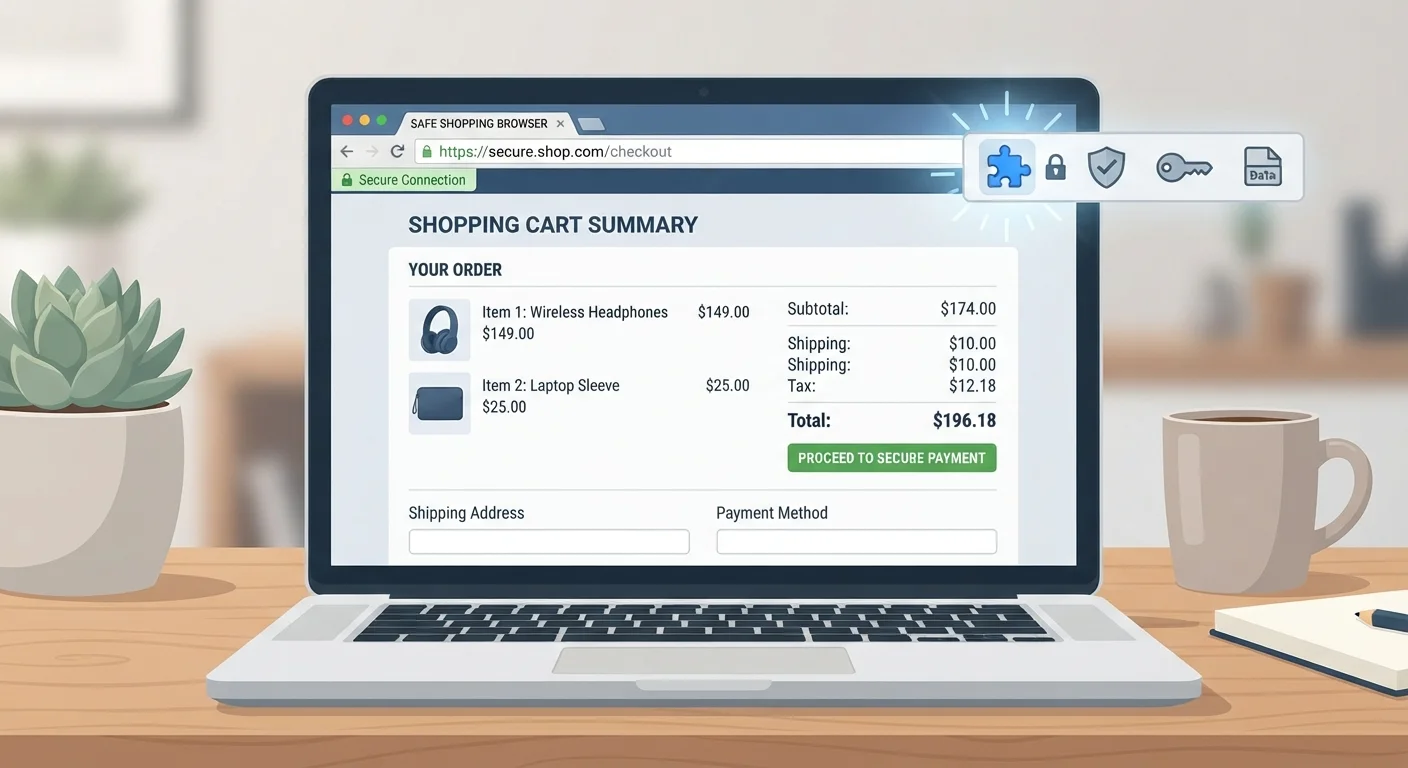
- Verify sale prices independently. Price-tracking tools and browser extensions can help establish whether a promoted discount reflects a genuine price reduction.
Reference Pricing Can Mislead
When a product is marked as 'on sale,' the reference price - the 'was' figure - may not reflect what the item actually sold for recently. Before assuming a deal is genuine, check the item's price history using an independent tracking tool. This is especially relevant for large purchases where the perceived discount is substantial.
Habits are hard to change, especially ones that feel virtuous. But frugality that's rooted in evidence rather than received wisdom tends to be both more effective and less exhausting to maintain.