
Why Most Spending Feels Reactive
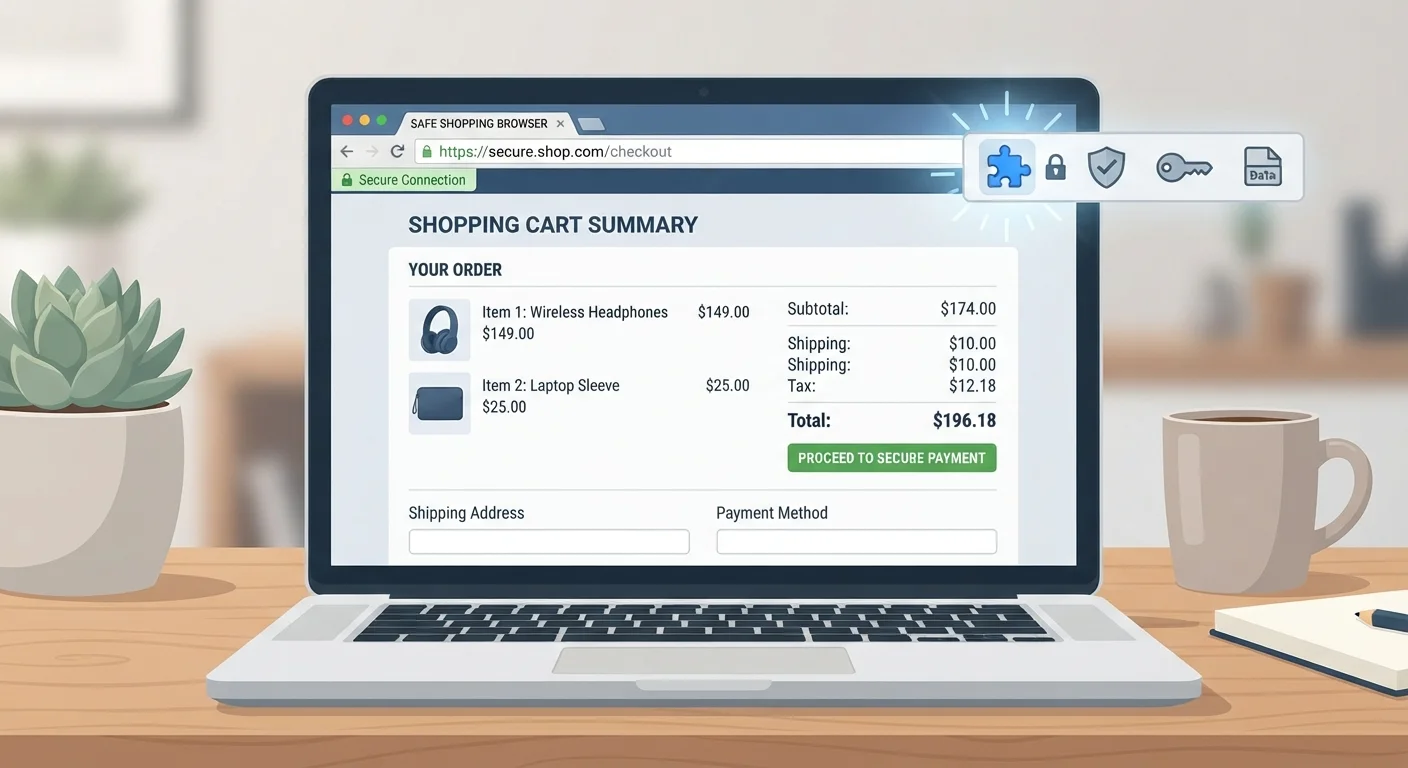
Walk through a hardware store without a list and you'll likely walk out with things you didn't need. Browse a retail app at midnight and something in your cart by morning. These aren't moral failures - they're predictable responses to environments engineered to prompt quick decisions.
Reactive spending happens when the trigger to buy comes from outside rather than from a genuine internal need. Advertising, scarcity messaging, social comparison, and even store layout are designed to compress your decision window. The result: purchases that feel justified in the moment but lose their appeal once home.
Recognizing this dynamic is the first step. The goal isn't to stop spending - it's to ensure spending reflects your actual priorities rather than someone else's marketing objectives.
~33%
Purchases consumers report regretting
Consumer surveys consistently find that roughly one-third of non-essential purchases are later described as regrettable by buyers.
48 hrs
Cooling-off period that reduces impulse buys
Behavioral research on purchase delay suggests a 48-hour pause substantially reduces follow-through on unplanned buying decisions.
20%
Product features typically used by average consumers
Usability research across product categories estimates most buyers regularly use only a fraction of a product's total feature set.
The Core Principles of Deliberate Buying
Deliberate purchasing isn't about frugality for its own sake. It's about aligning what you spend with what you value. A few durable principles underpin nearly every smart consumer decision:
- Define the job first. Before researching options, articulate exactly what problem you're solving. A vague need produces a vague purchase.
- Separate the want from the solution. You might want comfort, but the solution could be a $30 repair rather than a $400 replacement.
- Think in cost-per-use. A $120 item used daily for three years costs less per use than a $40 item used twice. Longevity and frequency of use matter more than price tags.
- Distinguish reversible from irreversible. Decisions that are hard to undo - structural home changes, long-term service contracts - deserve significantly more scrutiny than those you can easily reverse.
Before any purchase over $50, write one sentence explaining what specific problem it solves. If you struggle to write it, the need probably isn't clear enough yet.
Articulating a need in writing forces specificity and exposes vague or emotionally driven justifications before money changes hands.
Calculate cost-per-use by dividing the purchase price by realistic annual uses multiplied by expected years of service. Compare that number, not the sticker price.
Sticker price comparisons systematically undervalue durable, frequently used items and overvalue cheap options with short lifespans.
A Decision Framework You Can Reuse
A consistent process removes the guesswork and guards against the emotional highs of browsing. Here's a repeatable sequence that works across product categories:
- Write down the specific need. One sentence. Vague notes lead to scope creep at checkout.
- Set a ceiling budget before you look at options. Anchoring to a number before seeing prices keeps you from rationalizing upward.
- Research function, not features. Prioritize reviews that address real-world durability and usability over spec sheets.
- Wait 48 hours on non-essential purchases. Most impulse pressure dissolves in two days. If the need feels equally real after that window, it probably is.
- Check total cost of ownership. Factor in installation, maintenance, consumables, and disposal before comparing final numbers.
- Decide, then move on. Over-researching past a clear winner wastes time and often introduces doubt without new information.
Common Traps That Derail Good Intentions
Even shoppers with strong intentions run into predictable pitfalls. Being able to name them helps you sidestep them:
- The upgrade trap
- Buying a higher tier "just in case" you need the extra capacity. Most people use roughly 20% of a product's advanced features. Honest self-assessment about actual usage patterns saves money without sacrificing satisfaction.
- Sale-driven timing
- Purchasing something you didn't need simply because the price dropped. A 30% discount on something unnecessary is still 70% wasted.
- Sunk cost rationalization
- Continuing to invest in a failing product because you've already spent money on it. Past spending is gone regardless of future decisions; evaluate on what makes sense now.
- Review paralysis
- Reading dozens of reviews past the point of diminishing returns. Set a research time limit and trust a reasonable sample of credible, verified feedback.
Sales Events Can Distort Your Priorities
Promotional events are designed to create urgency and shift your focus from 'do I need this?' to 'can I afford to miss this?' Before buying anything during a sale, ask whether you would have added it to your needs list in a normal week. If the answer is no, the discount is working on you, not for you.
Building Habits That Stick
Frameworks only work if you use them consistently. The trick is lowering the activation energy for good decisions so they become the path of least resistance.
Keep a running needs list. When something breaks or runs out, add it to a shared note or list rather than buying immediately. Review the list weekly with fresh eyes - many items drop off on their own.
Create a purchase threshold rule. Many disciplined shoppers use a personal threshold - for example, any item above a set dollar amount requires at least one night's pause. The specific number matters less than having one at all.
Audit past purchases quarterly. Spend 15 minutes reviewing what you bought over the past three months. Items that are unused or regretted reveal patterns worth correcting. This feedback loop is more effective than any single tip.
Decouple browsing from buying. Use wishlists and saved carts as a holding zone, not a prelude to checkout. Returning to items after a few days filters out a significant portion of impulse additions.
Building a smarter purchasing mindset is an iterative process. Each deliberate decision reinforces the next. Over time, the framework becomes instinct - and that's when the real, lasting benefits show up in your budget and your satisfaction with what you own.