Why Evening Screens Became a Sleep Concern
The conversation around screens and sleep centers on one main mechanism: blue light. Smartphones, tablets, laptops, and televisions emit light across the visible spectrum, with a notable amount in the blue wavelength range. Research in chronobiology - the science of biological time-keeping - indicates that blue light is particularly effective at suppressing melatonin, a hormone produced by the pineal gland that helps regulate the sleep-wake cycle.
In natural conditions, decreasing light exposure as evening progresses signals to the brain that nighttime is approaching. Artificial light, especially blue-enriched light, can partially delay that signal. Studies published in journals such as Sleep Medicine Reviews have documented associations between artificial light at night and shifts in circadian timing, though the magnitude varies considerably across individuals and study designs.
It's worth noting: correlation between screen use and poor sleep doesn't automatically confirm that screens are the direct cause. People who use devices late at night may also be staying up later for other reasons, making it difficult to isolate the screen effect alone. For a broader view of healthy sleep practices, see our guide to sleep hygiene.
A Note on Study Limitations
Much of the research on screens and sleep relies on self-reported data or short-term laboratory conditions that may not reflect everyday life. Observational studies can show associations but generally cannot prove causation. This is worth keeping in mind when interpreting headlines that frame the evidence as more definitive than it currently is.
Potential Drawbacks of Evening Screen Use
Understanding what the evidence broadly suggests - without overstating it - helps households make informed, rather than fear-driven, decisions.
Blue light can delay melatonin release
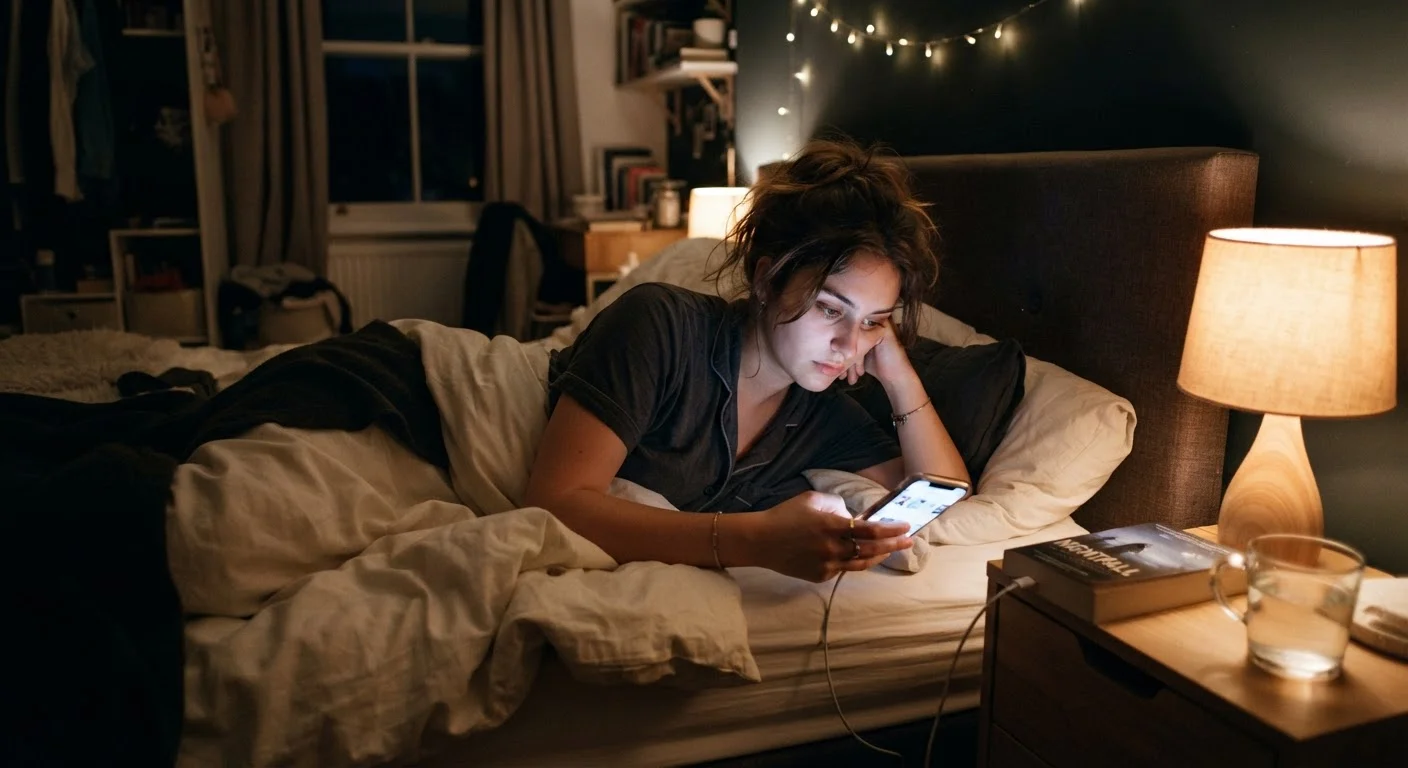
Research indicates that exposure to blue-spectrum light in the hours before bed can suppress melatonin production, potentially delaying the onset of sleep by shifting circadian timing.
Stimulating content raises alertness at the wrong time
News feeds, social media, and intense gaming can activate stress and arousal responses, making it harder for the nervous system to settle - independent of any lighting effect.
Screen use often displaces actual sleep time
Studies on media use and sleep frequently find that people underestimate how long they've been scrolling, resulting in a later bedtime and shorter overall sleep duration.
Habitual late-night use may reinforce irregular sleep schedules
Consistent late-night screen use can gradually shift sleep timing later, which over time may compound fatigue and make early wake times harder to manage.
Beyond the light itself, the type of content consumed matters. Scrolling news, engaging in social media debates, or watching suspenseful programming activates stress responses that can raise cortisol levels and delay the transition to sleep - independent of any lighting effect. This psychological arousal dimension is sometimes under-discussed in screen-and-sleep conversations.
Where Evening Screen Use May Not Be Harmful
The evidence is not uniformly negative. Context, duration, and individual differences all shape outcomes.
Relaxing content can support a calm pre-sleep state
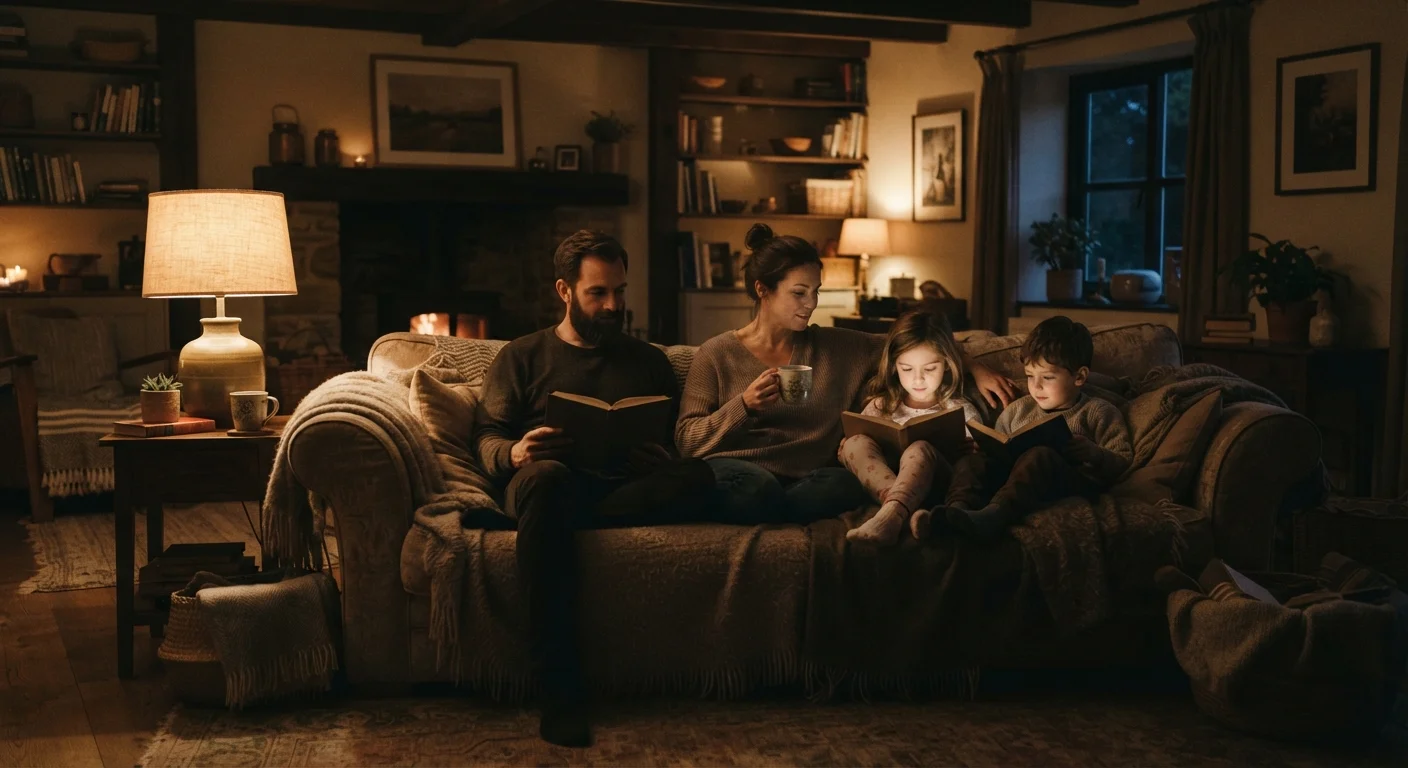
Watching low-stimulation content - such as a familiar show or a nature documentary - may help some individuals decompress after a demanding day, making the transition to sleep feel more natural.
Night mode features reduce blue light output
Most modern devices offer warm-tone or reduced-brightness settings that lower blue light emission. While evidence on their full effectiveness is still emerging, they represent a simple, cost-free adjustment.
Brief use at low brightness shows smaller sleep impact
Studies suggest that short-duration, low-intensity screen exposure - particularly in well-lit rooms - produces a smaller melatonin-suppression effect than prolonged high-brightness use in darkness.
Individual variation means impact differs widely
Not every person responds to evening light exposure in the same way. Chronotype, age, and sensitivity to light all influence how much evening screen use affects a given individual's sleep.
A key takeaway from the research landscape is that intensity and duration of screen use matter more than mere presence. Brief, low-brightness use - such as reading an e-reader at minimum brightness - shows a smaller effect on melatonin than prolonged, high-brightness smartphone use in a dark room. Device settings such as night mode or warmer color temperature filters reduce blue light output, though evidence on how much this restores sleep quality is still mixed.
Practical Steps Worth Considering
Rather than issuing rigid screen bans, the most sustainable approach is building gradual adjustments that the whole household can maintain. A few strategies that align with commonly cited recommendations include:
- Dim your screen brightness in the final hour before bed, or enable your device's built-in night mode.
- Shift content type - calming video, quiet podcasts, or e-reading tend to produce less alertness than social media or fast-paced gaming.
- Create a physical buffer by placing your phone on the other side of the room, reducing the temptation to check it after lying down.
- Observe your own patterns - track how you feel after nights with and without late screen use over a week or two.
Building a structured wind-down period doesn't have to be complicated. Our article on building a household wind-down routine offers adaptable approaches for both adults and children.
~90%
US adults using a device in the hour before bed
National Sleep Foundation surveys have repeatedly found that the large majority of American adults use some form of electronic device within the hour before they attempt to sleep.
30-60 min
Typical delay in sleep onset linked to heavy pre-bed screen use
Several laboratory studies examining evening light exposure and melatonin suppression have observed sleep-onset delays in this range under controlled high-exposure conditions, though real-world effects vary.
This article is for general informational and educational purposes only and does not constitute medical advice. If you have persistent sleep difficulties, consult a qualified healthcare professional.