What the Shelf Label Is Actually Telling You
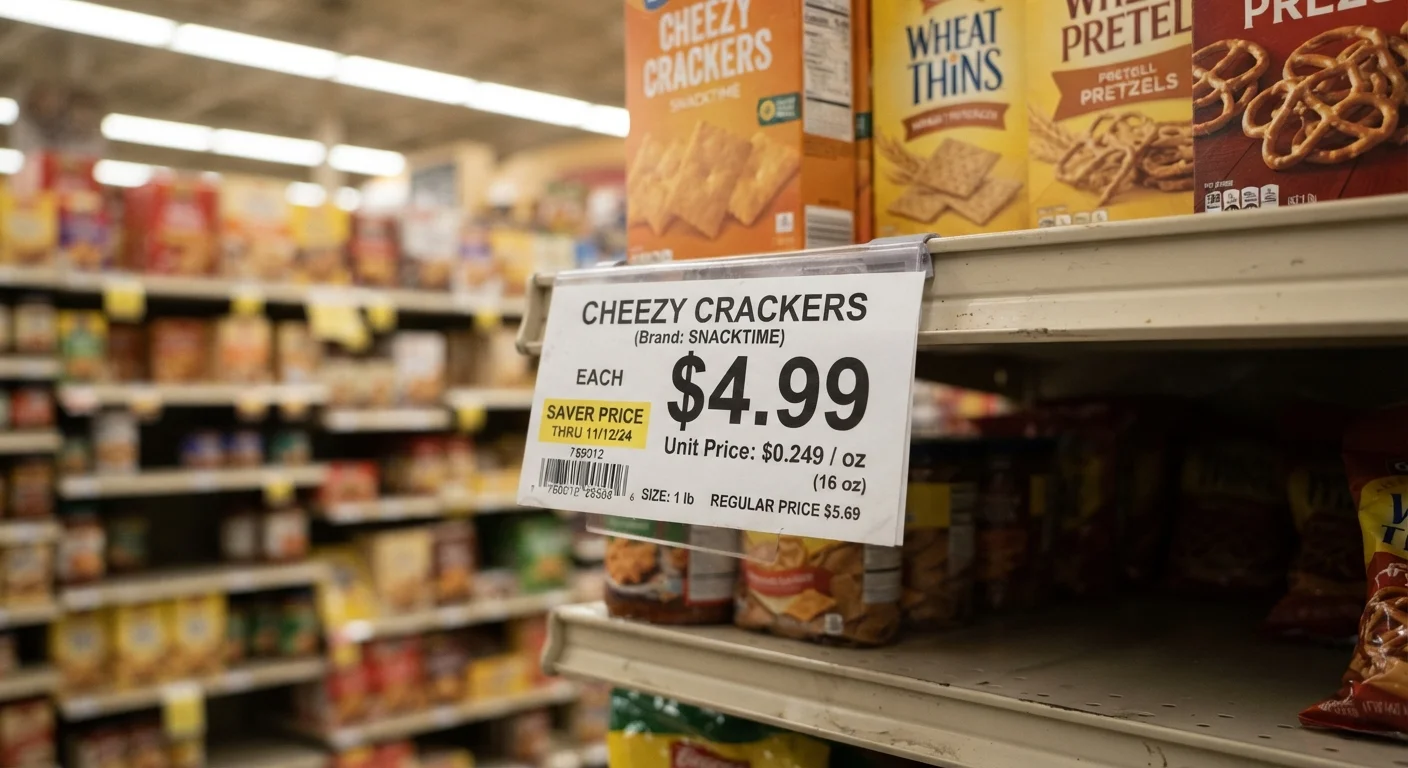
Most grocery shelf labels carry two prices: the large retail price you notice immediately, and a smaller figure - often tucked in the corner - that represents the unit price. That smaller number is the one doing the real work.
Unit price standardizes cost across different package sizes. A 16 oz jar and a 24 oz jar of the same product won't have the same retail price, but calculating cost per ounce instantly tells you which delivers more value for your money. Without it, you're essentially guessing based on package size alone - and packaging is designed to mislead.
Shelf labels typically express unit price as cost per ounce, per 100 count, per pound, per sheet, or per fluid ounce depending on the product category. The unit used should match across competing products on the same shelf, making direct comparison straightforward.
~30%
Shoppers who regularly use unit prices
Consumer research has consistently found that a minority of shoppers actively consult unit prices when making purchase decisions, despite widespread label availability.
Up to 40%
Potential savings comparing unit prices
Studies examining grocery pricing have found unit price gaps of up to 40% between differently sized packages of identical products within the same store.
35+ states
US states with unit pricing laws
More than 35 US states have enacted some form of unit pricing regulation for food retailers, though requirements and exemptions vary considerably by state.
Why Bigger Isn't Always Cheaper
The widespread assumption that bulk or larger sizes always carry a lower unit price turns out to be frequently wrong. Retailers adjust pricing dynamically, and smaller sizes sometimes go on sale at unit prices that undercut the warehouse-sized version. Promotions, clearance pricing, and loyalty discounts can all temporarily flip the math.
This is especially common with store-brand products. A mid-sized store-brand container often has a lower unit price than either the name-brand large size or the generic bulk size at a club store, once you factor in membership fees. Comparing unit prices across store formats - not just within one store - is where the most significant savings often emerge.
Check the Unit of Measurement First
Before comparing unit prices on shelf labels, confirm both products use the same unit. Some stores display price per ounce for one size and price per pound for another. When units differ, convert them before comparing - otherwise the comparison is meaningless. Fluid ounces and weight ounces are also not interchangeable for liquid products.
It's also worth noting that unit pricing helps surface what the industry calls "price per use" discrepancies. Concentrated cleaning products, for instance, might look expensive per ounce but cost far less per cleaning use than a diluted alternative. When the unit of measurement doesn't reflect actual use, it pays to read labels more carefully. The Nutrition Facts label guide covers a similar approach to decoding serving sizes, which is directly relevant when comparing food products by price-per-serving.
Applying Unit Pricing Beyond the Grocery Aisle
Unit pricing logic travels well outside the food section. Paper towels, toilet paper, trash bags, laundry pods, shampoo, and batteries all vary significantly in unit price across sizes and brands. A six-roll paper towel pack might look affordable, but if the per-sheet price is 40% higher than a 12-roll alternative, the perceived convenience costs more than it saves.
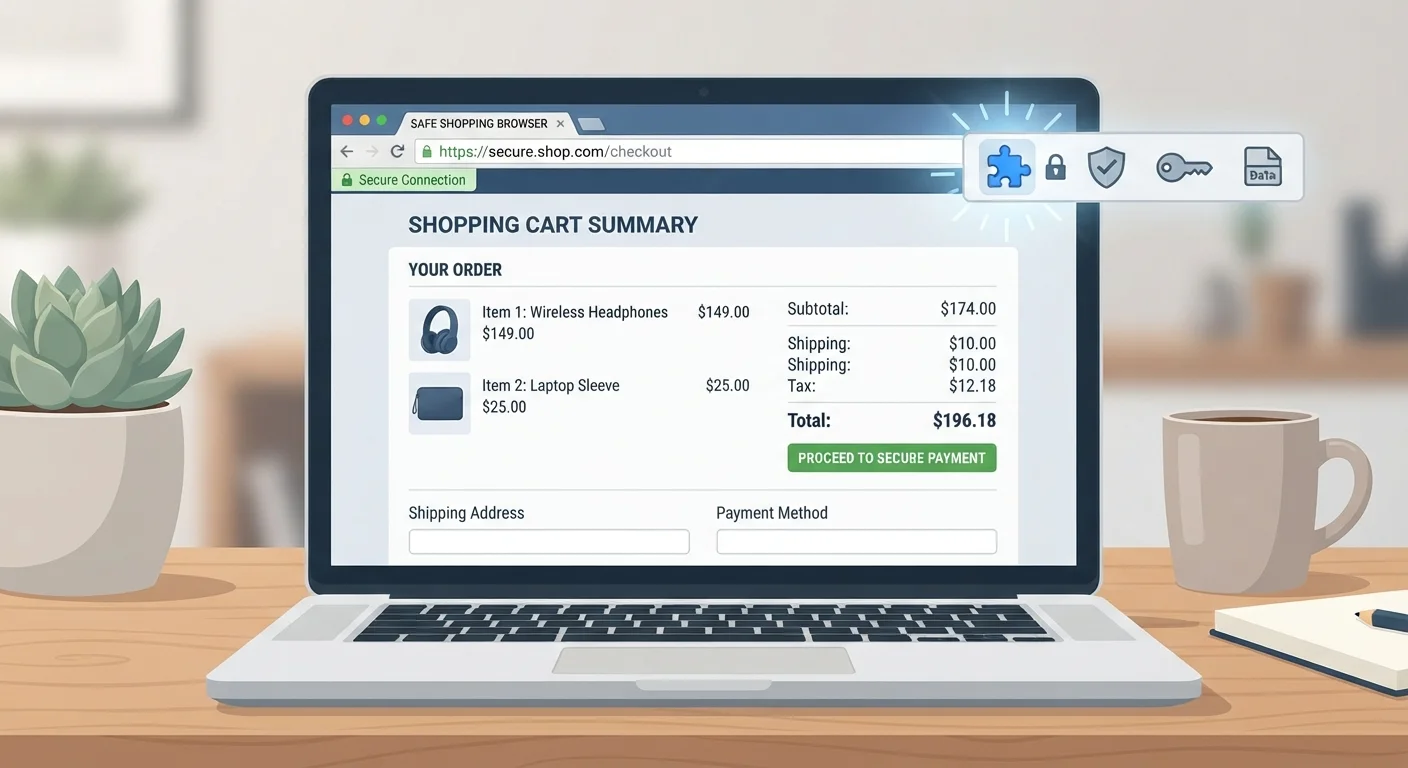
Online shopping platforms sometimes display unit prices, but not consistently. When they don't, the manual calculation - retail price divided by total quantity - takes about ten seconds and is worth building into any routine shopping habit. Several grocery apps and browser extensions are designed to surface unit prices automatically, though their reliability varies by retailer.
The core discipline is identical wherever it's applied: ignore the package, evaluate the quantity, and let the math guide the decision rather than the marketing.
When Unit Price Shouldn't Be the Only Factor
Unit pricing is a powerful tool, but it answers only one question: which option costs less per unit. It doesn't account for quality differences, ingredient distinctions, or how much of a product you'll realistically use. Buying a 64 oz bottle of salad dressing because it has the lowest per-ounce cost makes little sense if you use dressing infrequently and the product expires in three months.
Perishables, specialty items, and products where quality meaningfully varies between brands all require judgment beyond unit price alone. The goal isn't to always buy the lowest unit price - it's to make the unit price a deliberate input in your decision rather than an overlooked data point.
Used consistently, unit pricing is one of the few entirely free tools available to shoppers that requires no coupons, no apps, and no loyalty programs. The information is already on the shelf label. Most shoppers simply haven't been taught to look for it.