Why Most 'Deals' Aren't What They Appear
The word sale has been stretched so far that it barely carries meaning anymore. Retailers routinely establish a high reference price - often called an anchor price - and then discount from it, creating the impression of savings even when the actual selling price is the item's everyday price. This is marketing theatre: a performance of value rather than delivery of it.
Understanding how this works isn't about cynicism. It's about applying a clear standard: a price is a deal only when it's meaningfully below the item's typical market price across retailers, not merely below a number that appeared on the same tag last week. That single reframe changes how you evaluate almost every promotion you encounter.
For a grounded starting point on separating noise from genuine opportunity, this introduction for cautious shoppers covers the foundational habits that matter most.
87%
Shoppers who find price comparison important before buying
According to a National Retail Federation consumer survey, the vast majority of shoppers say comparing prices across retailers is an important or very important step before purchase.
64%
Products discounted from prices rarely charged
An investigation by a consumer advocacy organization found that a significant share of 'sale' items in major retail events were discounted from reference prices that had been in effect for fewer than seven days.
The Mechanics of Manufactured Urgency
Two tactics account for the majority of misleading deal framing: inflated anchor prices and artificial time pressure.
Inflated anchors work by displaying a high 'was' price that may have been listed only briefly, or that no meaningful volume of consumers ever paid. The FTC's Guides Against Deceptive Pricing indicate that a former price reference is only legitimate if the item was genuinely offered at that price in good faith for a reasonably substantial period. Many promotional setups don't meet that standard in practice.
Countdown timers and 'limited stock' notices create urgency that overrides deliberate thinking. Research in consumer behavior consistently finds that time pressure reduces comparison shopping and increases impulsive purchases - which is precisely why retailers deploy these tools. If you notice a timer on a product you hadn't planned to buy, treat it as a signal to slow down, not speed up.
Check Price History Before Any Major Purchase
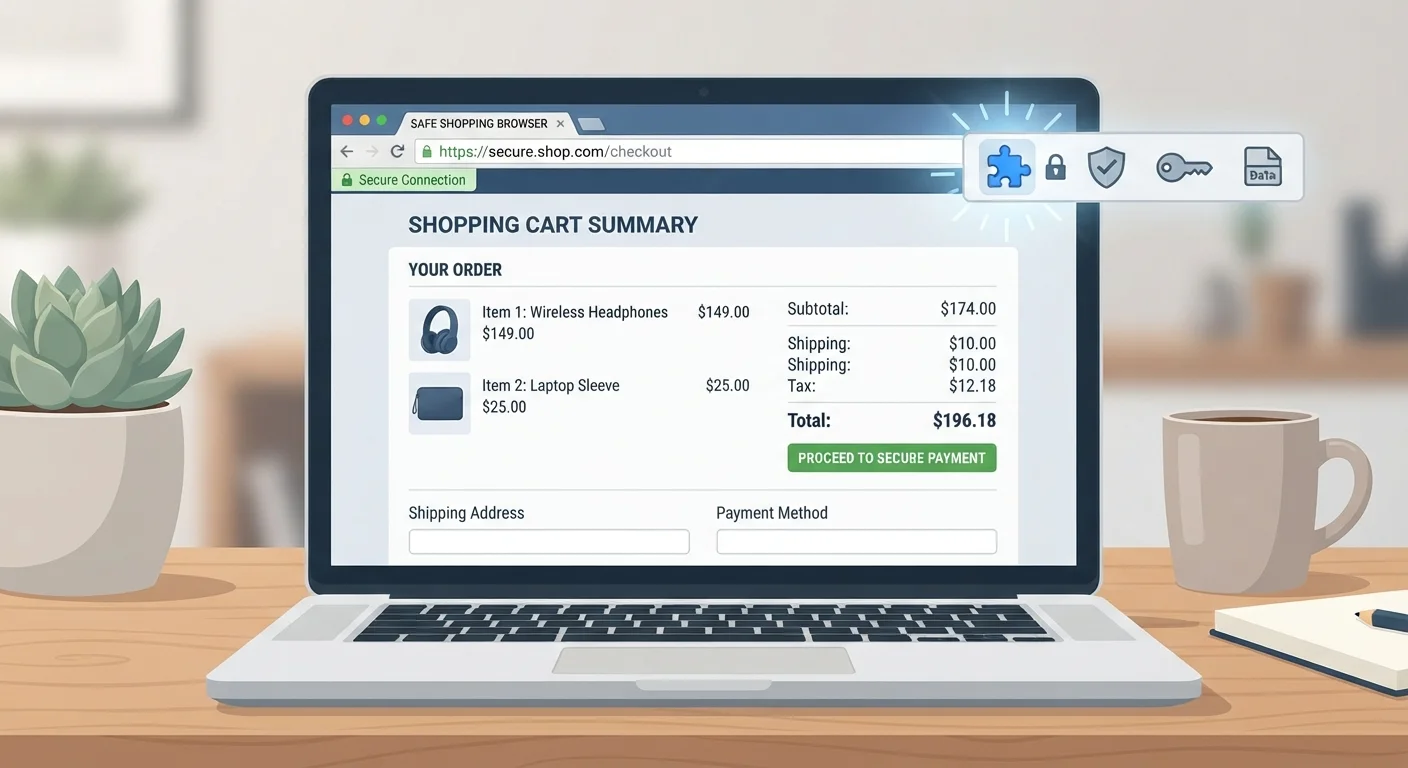
Before responding to a sale, look up the item's price history using a tracking tool or browser extension. A genuine price drop will show clearly as a departure from a stable baseline. If the 'sale' price is where the item has sat for months, the discount framing is the only thing that's changed.
How to Verify Whether a Price Drop Is Real
The most practical tool available to U.S. shoppers is price history tracking. Browser extensions and dedicated websites log historical prices for items across major retailers, showing you a timeline of what the product actually sold for over months or years. If a product's 'sale' price is its standard price 90% of the time, that's not a sale - it's regular retail dressed up with a different label.
Beyond price history, comparing the final price across multiple retailers on the same day is often enough to establish a baseline. If one retailer's 'sale' price matches three others' everyday prices, the promotional framing is the only thing that's changed.
It's also worth shifting the unit of comparison. Instead of evaluating a percentage discount, calculate cost-per-use (for durable goods) or cost-per-unit (for consumables). A cleaning product priced 20% off but in a smaller container than a competitor's everyday offering may not be the value it appears. Reading product specifications carefully is one way to avoid being misled by presentation rather than substance.
Where Genuine Savings Actually Live
Real price reductions tend to be less visible than manufactured ones. Clearance sections move end-of-season or discontinued inventory at prices that reflect genuine cost recovery rather than promotional strategy. Open-box and refurbished categories offer functional items at meaningful discounts, often with remaining warranty coverage. Off-peak buying windows - purchasing outdoor furniture in autumn, for instance - align with actual inventory cycles rather than retail calendar events.
These channels are explored in detail in where retailers actually hide their best prices. The common thread is that genuine deals usually require a little more searching and a little less responding to what's being promoted loudly.
For a broader framework on evaluating value before any purchase, the Smart Buying hub and Budget Stretching hub offer structured guidance across product categories.