
What Deal Hunting Actually Means
Deal hunting, at its simplest, is the practice of verifying that a price is genuinely good before committing to a purchase - rather than taking a retailer's word for it. It is not about obsessively clipping coupons or refreshing sale pages at 3 a.m. Done well, it is a short, deliberate step you add to purchases you were already going to make.
The distinction matters because a lot of what gets labeled "deal hunting" online is really just reactive spending dressed up in discount language. Buying something you don't need because it's marked down is not saving money - it's spending money with extra steps. Authentic deal hunting starts with a need or a planned purchase, then applies a quick process to establish whether the asking price is fair.
If you're newer to thinking critically about purchases in general, the guide to building a smarter purchasing mindset offers useful groundwork on shifting from reactive to deliberate spending.
Price history
The record of what an item has sold for over time. Knowing price history lets you judge whether today's price is genuinely lower than usual, rather than comparing it only to the current tag.
Anchoring
A mental shortcut where you rely too heavily on the first price you see - often the inflated 'original' price - to judge whether a deal is good. Real comparison requires a market-based baseline, not a retailer-set reference.
Total cost of ownership
The full expense of a purchase over time, including the upfront price plus ongoing costs like supplies, maintenance, subscriptions, or fees. A low purchase price can be offset by high ongoing costs.
Manufactured urgency
Marketing language or design - countdown timers, low-stock warnings, flash sale banners - intended to pressure shoppers into deciding quickly. It is a tactic, not a reliable indicator of a genuine deal.
Price comparison
The practice of checking what the same item costs across multiple sellers before buying. It helps ensure you're not paying more than necessary without changing what you're purchasing.
The Right Mindset Before You Start
The single most useful shift for a new deal hunter is moving from price-relative-to-tag to price-relative-to-history. A 30% markdown on a $200 item means nothing if the item has sold for $120 for most of the past year. Your reference point needs to be real market data, not the number a retailer chose to cross out.
Equally important is separating urgency from genuine opportunity. Countdown timers, "only 3 left" notices, and flash sale banners are marketing tools designed to compress your decision-making time. Treat any message that tells you to act now as a signal to pause instead. A real deal will still be a real deal after you've spent five minutes verifying it.
Finally, accept that you will occasionally miss a genuine sale. That's a normal cost of shopping deliberately rather than impulsively, and it's almost always the right trade-off. The Smart Buying hub covers this and other evaluation principles in more depth.
Core Habits That Protect Your Wallet
A small pre-purchase routine is more protective than any single tool. Before buying anything above a threshold you set for yourself (many shoppers use $30-$50 as a starting point), run through these steps:
- Establish a baseline price. Look up what the item has typically sold for, not just what it costs today.
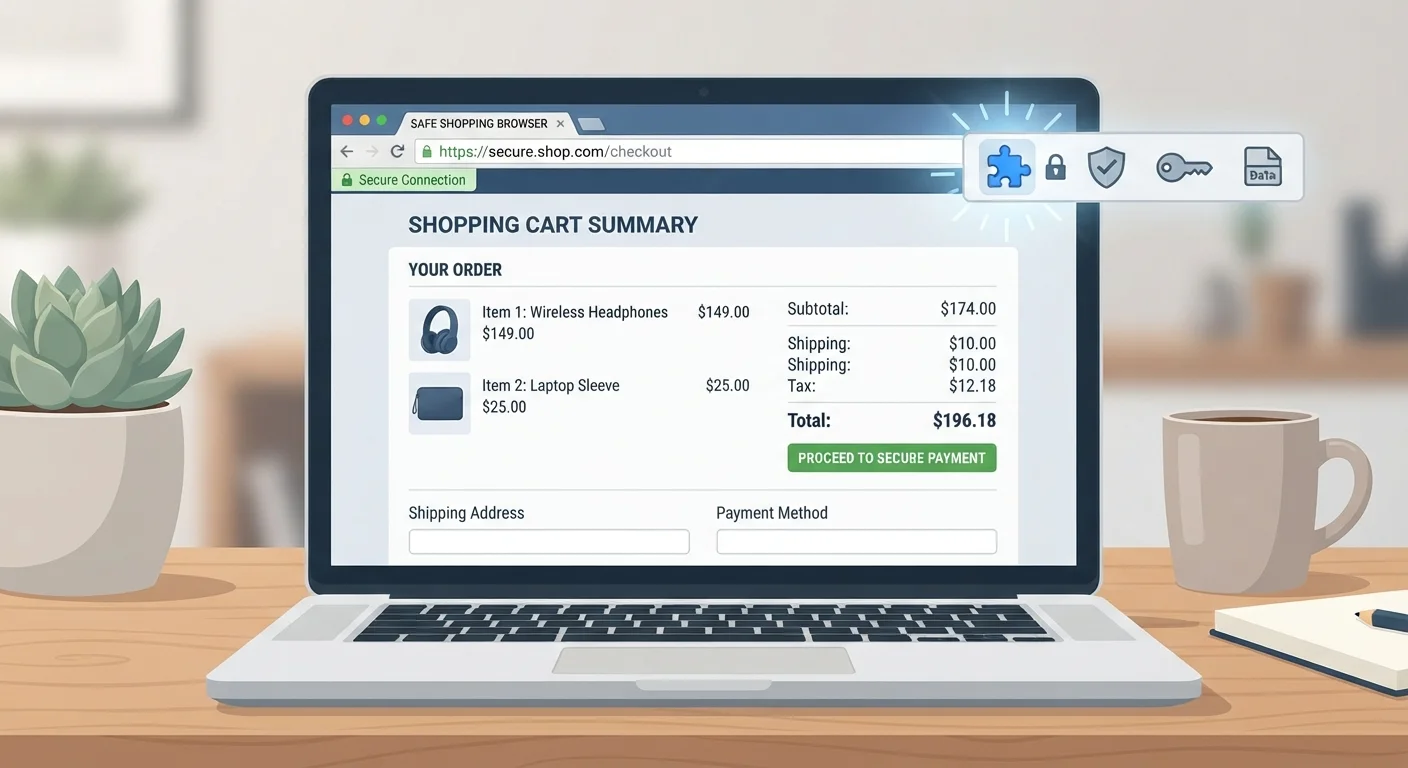
- Check the total cost. Add shipping, taxes, and any required accessories before comparing prices across sellers. Our article on hidden costs details the specific charges most likely to surprise you.
- Verify the return policy. A low price paired with a punishing return policy shifts risk onto you.
- Ask whether you actually need it now. Timing purchases to natural price cycles - end of season, post-holiday clearances - can produce genuine savings without any discount-hunting at all.
These steps take a few minutes and become automatic quickly. The guide to building a sustainable deal-hunting habit explores how to keep this routine efficient over time.
Set Your Threshold Before You Shop
Decide in advance which purchase sizes trigger your pre-purchase checklist. If you apply the routine to every $5 transaction, it will feel burdensome and you'll abandon it. If you apply it only to purchases above a threshold that matters to your budget, it stays quick and sustainable.
Tools Worth Knowing About
Several categories of tool can make the baseline-price step faster and more reliable:
- Price history trackers
- Browser-based tools that chart an item's price over time, usually pulling data directly from major retail sites. They let you see at a glance whether today's price is actually lower than usual.
- Price comparison sites
- Aggregate current pricing from multiple sellers for the same item, useful for catching meaningful differences before you commit.
- Deal alert services
- Allow you to set a target price for a specific item and notify you when that threshold is reached, removing the need to monitor prices manually.
Each tool type comes with its own considerations. Browser extensions in particular collect browsing data as part of their function - understanding that trade-off before installing anything is worthwhile. The overview of browser extensions for deal finding covers what to weigh.
Online and in-store shopping also call for different approaches - tactics that surface savings in one channel don't always carry over. The comparison of online versus in-store deal strategies walks through what works where.
Common Traps to Sidestep
Even cautious shoppers run into a few recurring pitfalls worth naming explicitly:
- Anchoring to the original price. A heavily discounted price still isn't a deal if the original was inflated. Always verify against real market data, not the crossed-out number on the tag.
- Ignoring total cost of ownership. A lower upfront price can come with higher operating costs, shorter lifespan, or fees that accumulate over time.
- Over-optimizing small purchases. Spending 45 minutes researching a $12 item is rarely a good use of time. Save your process for purchases where the savings potential justifies the effort.
- Treating coupons as an excuse to buy. A coupon for something you wouldn't otherwise purchase is an expense, not a saving.
For a deeper look at how to tell a real price reduction from manufactured urgency, the anatomy of a genuine deal is a useful next read. The Budget Stretching hub also covers broader strategies for getting more from every dollar you spend.
Coupons and Discounts Don't Justify the Purchase
One of the most consistent ways shoppers lose money while deal hunting is treating a discount as a reason to buy something they didn't plan to purchase. If an item wasn't already on your list, a coupon doesn't make it a deal - it makes it an unplanned expense at a reduced price. Always establish the need before evaluating the price.