
Why the Urge to Buy Now Is Rarely What It Seems
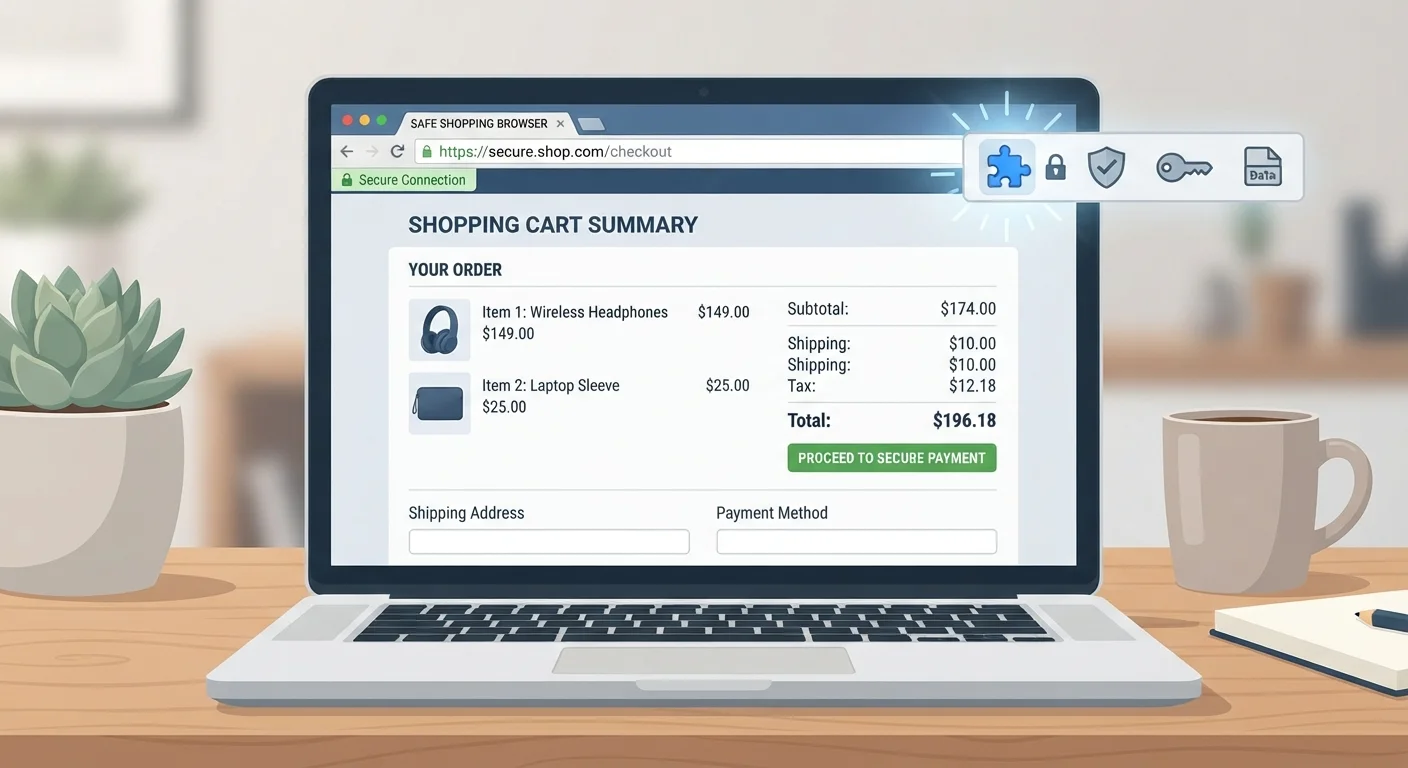
The feeling that you need to act immediately on a purchase is familiar to almost every consumer. It arrives suddenly - triggered by a countdown timer, a low-stock warning, or simply the momentum of browsing. But that sense of urgency is rarely an accurate signal about genuine need. More often, it reflects how purchasing environments are designed: to compress the time between desire and decision.
Behavioral research consistently shows that when people make decisions under perceived time pressure, they weigh fewer alternatives, rely more heavily on surface-level cues like price or brand recognition, and are more susceptible to framing effects. The result isn't necessarily a bad product - it's a purchase made without the full picture. Understanding this dynamic is the first step toward reclaiming deliberate control over where your money goes. For a deeper look at the psychological forces at play, see how pricing psychology shapes our sense of value.
The Pros of Waiting Before You Buy
Introducing a deliberate pause into your buying process - even just 24 to 48 hours - delivers measurable advantages that compound across purchases over time.
Reduces buyer's remorse on unnecessary purchases
When desire has time to settle, many items simply lose their appeal - which is useful data. If you still want something after 48 hours, you have better evidence that the purchase reflects genuine preference rather than momentary impulse.
Creates space for price and product comparison
A brief pause lets you search for the same item across multiple sources without the psychological pressure of a ticking clock. Consumers who compare before committing are more likely to find the same item at a lower price or identify a better-suited alternative.
Allows time to read credible, detailed reviews
First-impression reviews written immediately after purchase often miss long-term performance issues. Waiting gives you the opportunity to seek out reviews from users who have owned the product for weeks or months.
Helps distinguish wants from needs
The gap between 'I want this now' and 'I actually need this' is clearest in hindsight. A waiting period simulates that hindsight before money changes hands.
Supports better long-term budgeting habits
Consistently pausing before discretionary purchases builds a deliberate relationship with spending. Over time, this tends to reduce overall impulsive outlay and improve satisfaction with the purchases that do get made.
Waiting also creates natural space for a structured pre-purchase review, where you can assess quality, necessity, and timing rather than reacting to the moment.
The Cons of Always Waiting
A pause-first approach isn't without trade-offs. In certain situations, hesitation carries its own costs - and it's worth being honest about when the waiting strategy works against you.
Genuine limited-availability items may sell out
For products with real supply constraints - limited-run items, specific sizes in high demand, or time-sensitive service slots - waiting can mean losing the option entirely. The strategy requires judgment about which scarcity signals are real.
Can create decision paralysis in low-stakes situations
Applying the same level of deliberation to a $12 purchase as a $1,200 one wastes mental energy. A blanket waiting rule without calibration to purchase size can become its own friction problem.
Waiting period may not resolve the underlying uncertainty
If the hesitation stems from a lack of information rather than impulse, simply waiting won't help - the same questions will remain unanswered after 48 hours unless you actively research during that time.
Promotional pricing sometimes does expire meaningfully
While many 'sale' prices persist or return, some genuinely time-limited offers - clearance items, specific service promotions - do not. Indiscriminate waiting occasionally results in paying more for the same item.
Waiting Works Best With a Clear Threshold
The pause strategy is most effective when you set a personal spending threshold in advance - for example, any discretionary purchase over $50 or $100 gets a waiting period. This prevents decision fatigue from applying the same scrutiny to every small transaction while protecting you from large impulsive spends. The threshold should reflect your budget and spending patterns, not a universal rule.
The goal isn't to introduce friction for its own sake. It's to ensure the friction is intentional and proportionate to the decision at hand. Understanding sunk cost and opportunity cost thinking can help you recognize when hesitation itself becomes a cost.
What to Do During the Waiting Period
A waiting period is only productive if you use it deliberately. Stepping away from the checkout page without a plan often just delays the same impulse decision by 24 hours. Here's how to make the pause count:
- Write down why you want it. Articulating the reason - comfort, utility, occasion - helps you evaluate whether the item actually addresses that need.
- Check if you already own something that serves the same function. Redundant purchases are among the most common sources of buyer's remorse.
- Read verified reviews focused on long-term use, not just initial impressions. Pay attention to complaints about durability, fit, or features missing after the honeymoon period.
- Search for the item without promotional framing. Viewing a product outside a sale context often resets your sense of its normal price.
~20%
Online purchases returned annually in the US
According to the National Retail Federation, return rates for online purchases have consistently hovered around 17-20%, with impulse-driven categories such as apparel among the highest.
48 hours
Common recommended waiting window before discretionary purchases
Consumer behavior educators and personal finance practitioners frequently cite a 24-48 hour pause as sufficient to meaningfully reduce impulsive spending without introducing excessive friction.
For consumers looking to build this into a broader habit, a framework for deliberate buying offers structured principles that apply across categories and budget levels.
When Timing Your Purchase Actually Matters
Not all urgency is manufactured. Some purchase timing decisions - buying seasonal equipment before it sells out, renewing a service before a rate increase - carry legitimate time sensitivity. The challenge is distinguishing real scarcity from simulated scarcity.
A useful rule of thumb: if an item or price has been available for more than a week without change, it is unlikely to disappear within the next 48 hours. Retailers use urgency language routinely, but genuine supply constraints are the exception rather than the rule for most consumer goods categories.
It's also worth noting that timing a purchase around sales events doesn't always deliver the savings advertised. Research on seasonal promotions suggests that the gap between marked-up 'original' prices and actual market value is frequently narrower than it appears. What timing your purchase can and can't reliably do covers this gap in detail.
This article is for general informational and educational purposes only and does not constitute financial or purchasing advice tailored to your individual circumstances.