
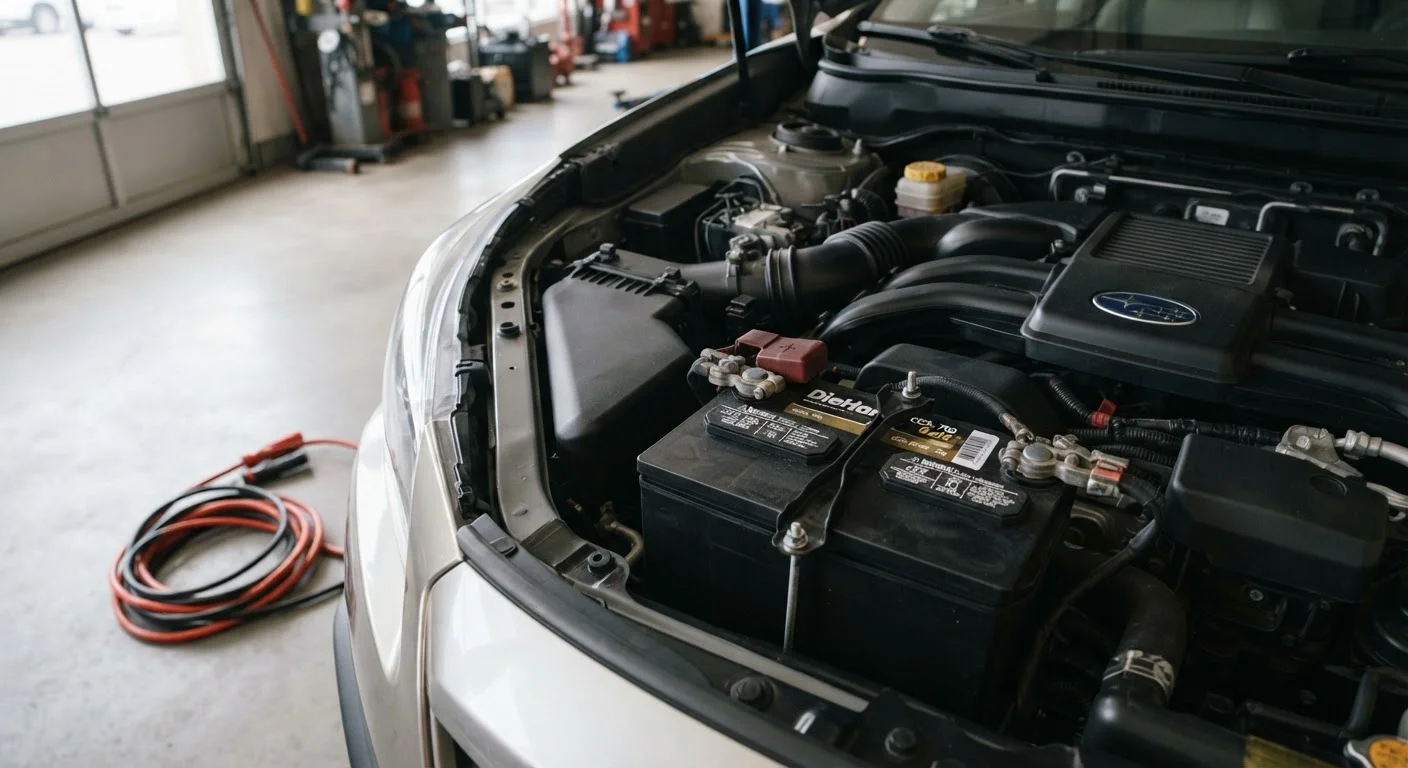
How Long Does a Car Battery Last?
The standard lead-acid car battery found in most US vehicles is generally rated to last 3 to 5 years. That range is wide because real-world lifespan depends heavily on where you live and how you drive. Batteries in the Sun Belt states experience accelerated internal corrosion from heat, while those in northern climates face reduced cold-cranking performance each winter.
Absorbent glass mat (AGM) batteries - increasingly common in vehicles with start-stop systems - can last somewhat longer, but they are also more sensitive to improper charging. Regardless of battery type, treat the 3-year mark as a reasonable checkpoint to have the battery tested, not necessarily replaced.
Lead-acid battery
The most common type of car battery, which uses lead plates submerged in sulfuric acid solution to store and deliver electrical energy.
AGM battery
Absorbent Glass Mat battery - a sealed, spill-resistant design that handles frequent charge-discharge cycles better than standard lead-acid batteries.
Cold cranking amps (CCA)
A rating that measures how much current a battery can deliver for 30 seconds at 0°F. Higher CCA means better cold-weather starting performance.
Parasitic drain
The small, continuous electrical draw that modern vehicles place on the battery even when the engine is off, to power clocks, modules, and security systems.
Load test
A diagnostic test that measures battery performance under real starting conditions, giving a more accurate health reading than resting voltage alone.
Alternator
The engine-driven generator that recharges the battery while you drive and powers the car's electrical systems when the engine is running.
Warning Signs of a Failing Battery
A battery rarely fails without giving some warning. Watch for these signals:
- Slow or labored engine crank - the engine turns over sluggishly before starting, especially on cold mornings.
- Battery warning light - this icon on the dashboard can indicate the battery or the charging system needs attention.
- Frequent need to jump-start - needing a jump more than once is a strong indicator the battery can no longer hold a charge.
- Swollen or bloated battery case - visible deformation usually means excessive heat has damaged the battery internally.
- Corrosion at the terminals - a white or bluish powdery buildup around the cable connections can interrupt the electrical circuit.
None of these symptoms alone is a guaranteed diagnosis, but any one of them warrants a proper load test.
Test Before the Season Changes
The best time to have a battery load-tested is in early fall, before cold weather reduces its cranking power. Many auto parts stores offer this service at no charge. Catching a marginal battery in September is far less stressful than a dead battery in January.
What Shortens Battery Life
Understanding what drains a battery prematurely lets you take simple preventive steps.
- Short trips
- Driving less than 20 minutes regularly means the alternator never fully recharges the battery after startup. Over time, repeated partial charges degrade capacity.
- Extreme temperatures
- Heat above 100°F accelerates chemical breakdown inside the battery. Cold slows the chemical reactions needed to deliver starting current.
- Parasitic draws
- Accessories left on - or a faulty relay - can drain a battery overnight. Common culprits include interior lights, aftermarket electronics, and malfunctioning modules.
- Overcharging
- A failing alternator can push too much voltage into the battery, shortening its life and potentially causing fluid loss or swelling.
Safe Handling and Basic Checks
Before touching any battery component, review these safety ground rules:
- Wear safety glasses and gloves - battery acid is corrosive.
- Work in a ventilated area; batteries can emit hydrogen gas, which is flammable.
- Keep open flames and sparks away from the battery.
- When disconnecting, always remove the negative (-) terminal first, then the positive. Reconnect in reverse order: positive first, then negative.
For a basic visual check, look for cracks in the case, heavy corrosion at the terminals, and verify the battery is secured in its tray. To test voltage, set a multimeter to DC voltage and place the red probe on the positive terminal, black on the negative. A reading around 12.4-12.6 volts at rest indicates a reasonably charged battery; below 12.0 volts suggests it needs charging or replacement.
Resting Voltage Has Its Limits
A multimeter voltage reading tells you the battery's state of charge, not its overall health. An old battery can read 12.5 volts at rest but collapse under the load of starting the engine. A proper load test - available at most auto parts stores - is the more reliable diagnostic tool.
When to Call a Mechanic
Some battery-related situations genuinely require professional attention. If your vehicle's battery management system (common on hybrids and many late-model vehicles) needs recalibration after a swap, a shop with the right scan tools is the safer choice. Similarly, if load testing reveals the battery is healthy but the car still won't start reliably, the problem may lie with the alternator, starter motor, or a wiring fault - all of which require diagnosis beyond a simple battery swap.
If you notice a rotten-egg smell near the battery, stop and have it inspected immediately; that odor can indicate overcharging and internal damage. When in doubt about any electrical repair, a qualified mechanic is the right call - electrical mistakes can disable safety systems or cause fires.
This article provides general educational information about car batteries and is not a substitute for advice from a qualified mechanic familiar with your specific vehicle.