The New Car Phase: Break-In and Early Habits
The first 1,000 to 5,000 miles on a new vehicle set patterns that can affect long-term reliability. Modern engines don't require the rigid break-in rituals of past decades, but a few habits still matter.
Avoid sustained high-RPM driving in the first few hundred miles. Vary your speed rather than holding one speed on the highway for extended stretches, which allows piston rings to seat against cylinder walls more evenly. Most manufacturers no longer publish formal break-in restrictions, but this approach aligns with general engineering guidance.
Don't skip the first oil change on a new vehicle - even if the interval seems generous. Early engine wear particles from manufacturing need to be flushed out promptly.
Metal shavings and debris from the machining process are present in new engines and can accelerate wear if left in circulation too long.
At high mileage, switch to a maintenance tracking app or a simple paper logbook and note the date, mileage, and shop for every service - including tire rotations.
Incomplete service history is one of the biggest negotiating disadvantages if you sell and one of the easiest ways to accidentally miss critical intervals.
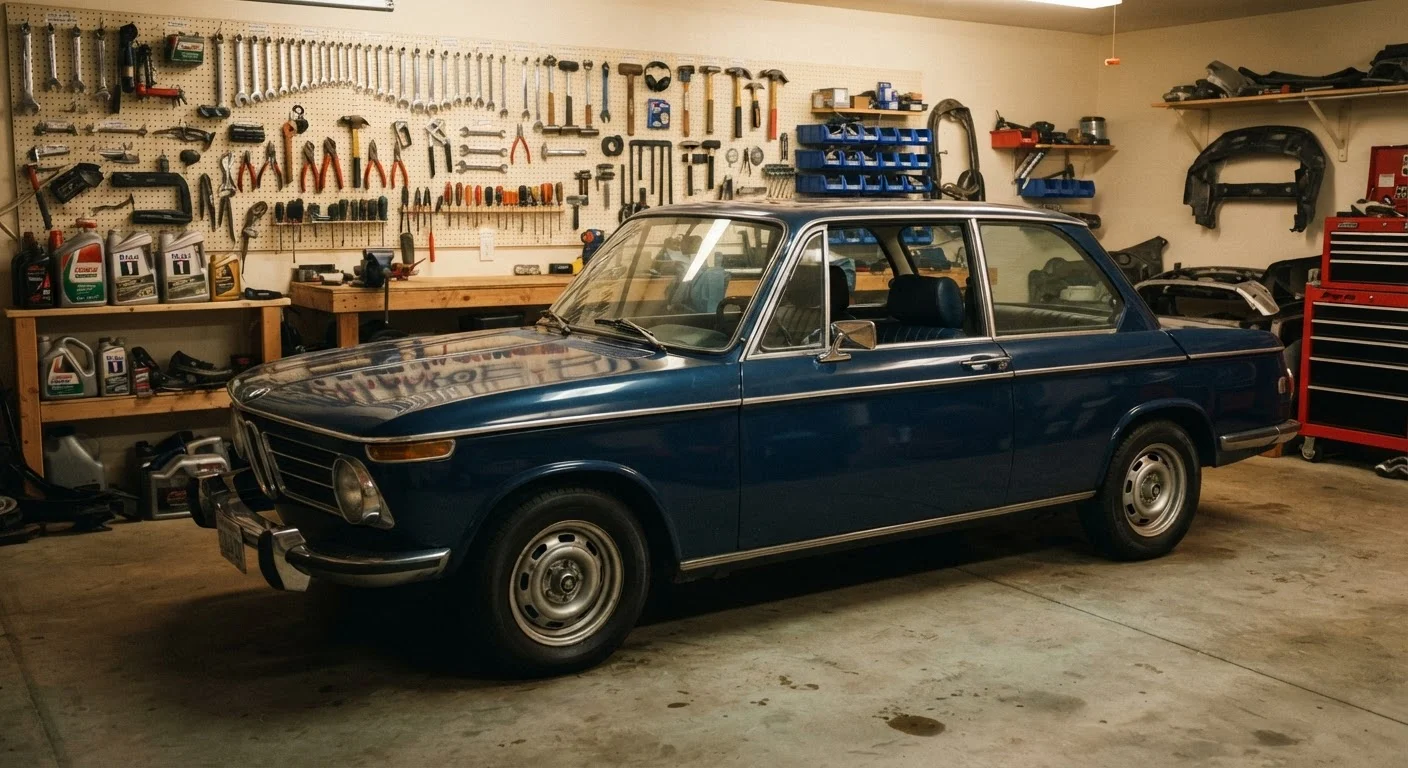
Beyond break-in, the early ownership phase is the right time to establish your baseline: read the maintenance schedule in your owner's manual, note the major service milestones, and set calendar reminders. The decisions you make now - oil type, service intervals, where you take the car - will compound over years of ownership. For a broader view of the financial picture, see our guide on keeping a car long-term vs. replacing it.
Use Your Owner's Manual, Not the Sticker
The oil change reminder sticker left by a quick-lube shop is often set to a generic interval that doesn't match your specific engine or driving conditions. Your owner's manual specifies the manufacturer-approved interval - always default to that. If you drive in stop-and-go traffic or extreme temperatures, your manual may list a 'severe duty' schedule that calls for more frequent service.
The Middle Miles: 30,000-75,000
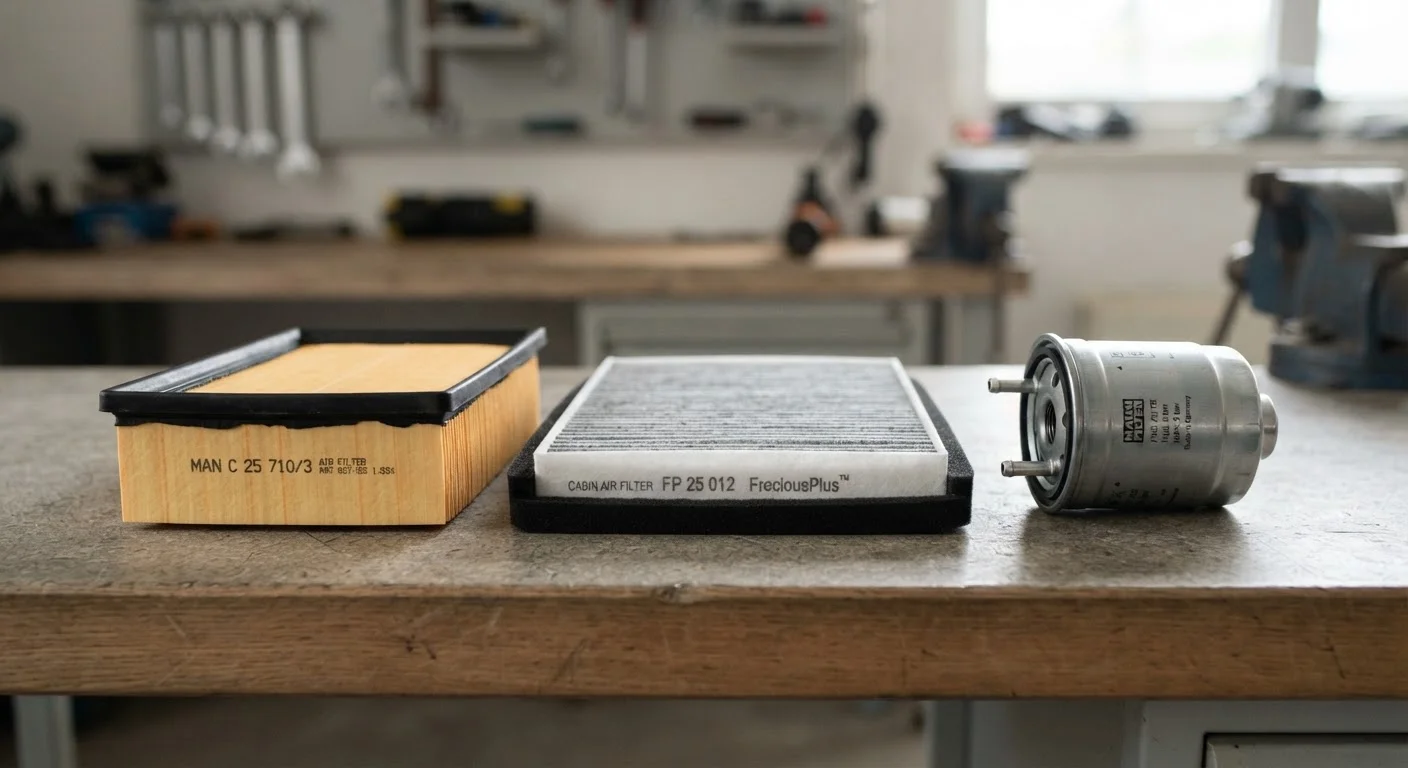
This is the phase where scheduled maintenance items start stacking up - and where skipping services begins to carry real consequences. Common services in this range include transmission fluid changes, spark plug replacement, air and cabin filter swaps, brake fluid flushes, and coolant system service.
Not all of these are needed at the same mileage, and intervals vary significantly by vehicle. A spark plug replacement on one engine may come at 30,000 miles; iridium plugs in another may last 100,000. Again, your owner's manual is the definitive source.
Severe Duty vs. Normal Driving Schedules
Most owner's manuals define 'severe duty' driving as frequent short trips under five miles, towing, extreme heat or cold, or sustained stop-and-go traffic. Many urban drivers technically qualify for the more aggressive maintenance schedule without realizing it. Check your manual's definitions to see which category fits your actual driving patterns.
Tires deserve particular attention in this phase. Rotation every 5,000-7,500 miles extends tread life significantly. A simple tread depth check (the quarter test: insert a quarter into the tread groove - if you can see above Washington's head, replacement is approaching) prevents you from being blindsided by an unplanned expense.
12.5 years
Average age of vehicles on US roads
According to S&P Global Mobility data, the average age of light vehicles in operation in the US has steadily climbed in recent years.
200,000+
Miles achievable with consistent maintenance
Consumer Reports and automotive engineers broadly agree that modern vehicles maintained properly can reach 200,000 miles reliably.
$1,200
Estimated annual maintenance cost, mid-range vehicle
AAA's annual Your Driving Costs survey consistently estimates average maintenance and repair expenses for a typical mid-size sedan.
Staying on top of annual ownership cost reviews during the middle-miles phase helps you budget for upcoming services before they hit.
High Mileage: 75,000 Miles and Beyond
Past 75,000 miles, maintenance shifts from scheduled replacements to proactive monitoring. Rubber components - belts, hoses, gaskets, and seals - age independently of mileage. A 10-year-old hose on a low-mileage vehicle can be just as brittle as one on a high-mileage car.
Timing Belt Replacement Is Non-Negotiable
If your vehicle uses a timing belt (not a chain), failure to replace it at the manufacturer's specified interval - typically between 60,000 and 100,000 miles - can result in catastrophic engine damage. This is not a maintenance item to defer. Check your owner's manual to determine whether your engine uses a belt or chain, and schedule accordingly. A qualified mechanic should perform this replacement.
Fluid condition matters more than ever. Older automatic transmissions are especially sensitive to degraded fluid. If transmission fluid has never been changed and the vehicle has passed 100,000 miles, consult a mechanic before flushing - in some cases, disturbing long-neglected fluid can introduce new problems. This is one situation where professional judgment is worth the diagnostic fee.
Don't Ignore Minor Leaks at High Mileage
Small seeps from gaskets and seals become progressively worse and can lead to costly engine or transmission damage if left unaddressed. A minor oil leak that costs a few hundred dollars to seal today can turn into an engine replacement if coolant or oil levels drop critically. Check fluid levels monthly once your vehicle passes 75,000 miles - it takes two minutes and can prevent four-figure repairs.
Suspension components - shocks, struts, ball joints, and tie rod ends - wear gradually and affect both safety and tire wear. A worn strut doesn't announce itself dramatically; it shows up as longer stopping distances, a drifting feel in corners, and uneven tire wear.
What Changes (and What Doesn't) As a Car Ages
Some maintenance fundamentals never change regardless of mileage: oil and filter changes, tire pressure checks, and brake inspections are lifetime constants. What shifts is frequency and scope.
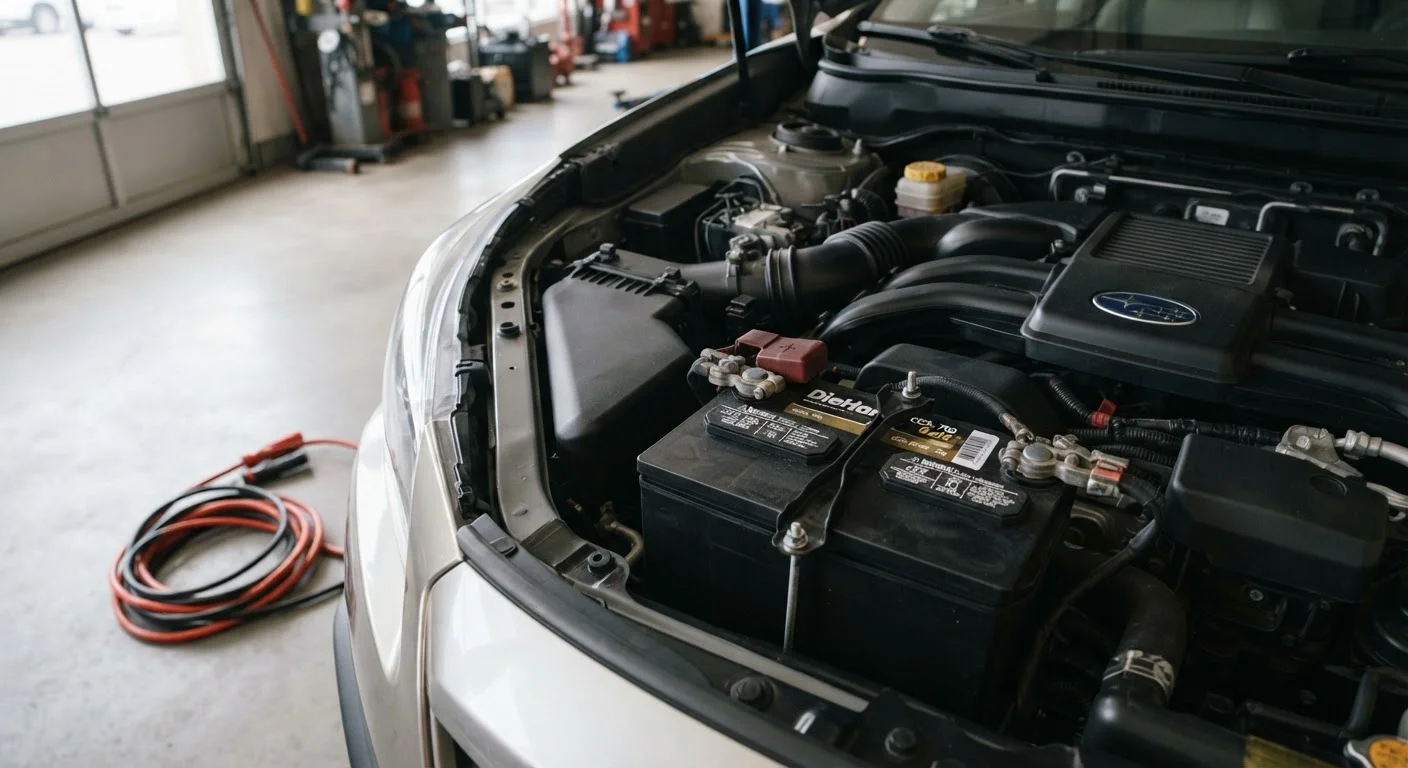
At high mileage, more systems need regular visual inspection rather than just interval-based service. Battery health (typically tested free at auto parts stores), serpentine belt condition, and coolant concentration all warrant annual checks rather than waiting for a problem to surface.
What also changes is the cost-benefit calculation on repairs. A $600 repair on a 5-year-old car with low mileage is straightforward. The same repair on a 12-year-old car with 140,000 miles requires a quick triage: does this repair extend the vehicle's useful life meaningfully, or are multiple systems approaching end-of-life simultaneously? Our related piece on the financial trade-offs of long-term ownership walks through this decision framework.
Building a Maintenance Log That Actually Works
A reliable maintenance log doesn't need to be sophisticated - a notebook kept in the glove box works fine. Record the date, current mileage, service performed, and where it was done. Keep receipts clipped inside.
The log serves three purposes: it prevents duplicate services (shops sometimes recommend work that was just completed), it helps you spot patterns (if you're adding a quart of oil every 1,000 miles, that's worth investigating), and it adds documented value if you sell the vehicle. For a structured framework to review all recurring costs annually, see our annual car ownership cost checklist.
“The cheapest repair is the one you prevent. Most catastrophic engine failures trace back to deferred maintenance on items that cost very little to service on schedule.”
— ASE-certified master technician (paraphrased from industry guidance), Automotive Service Excellence (ASE) Certified Master Technician
When to Call a Mechanic vs. Handle It Yourself
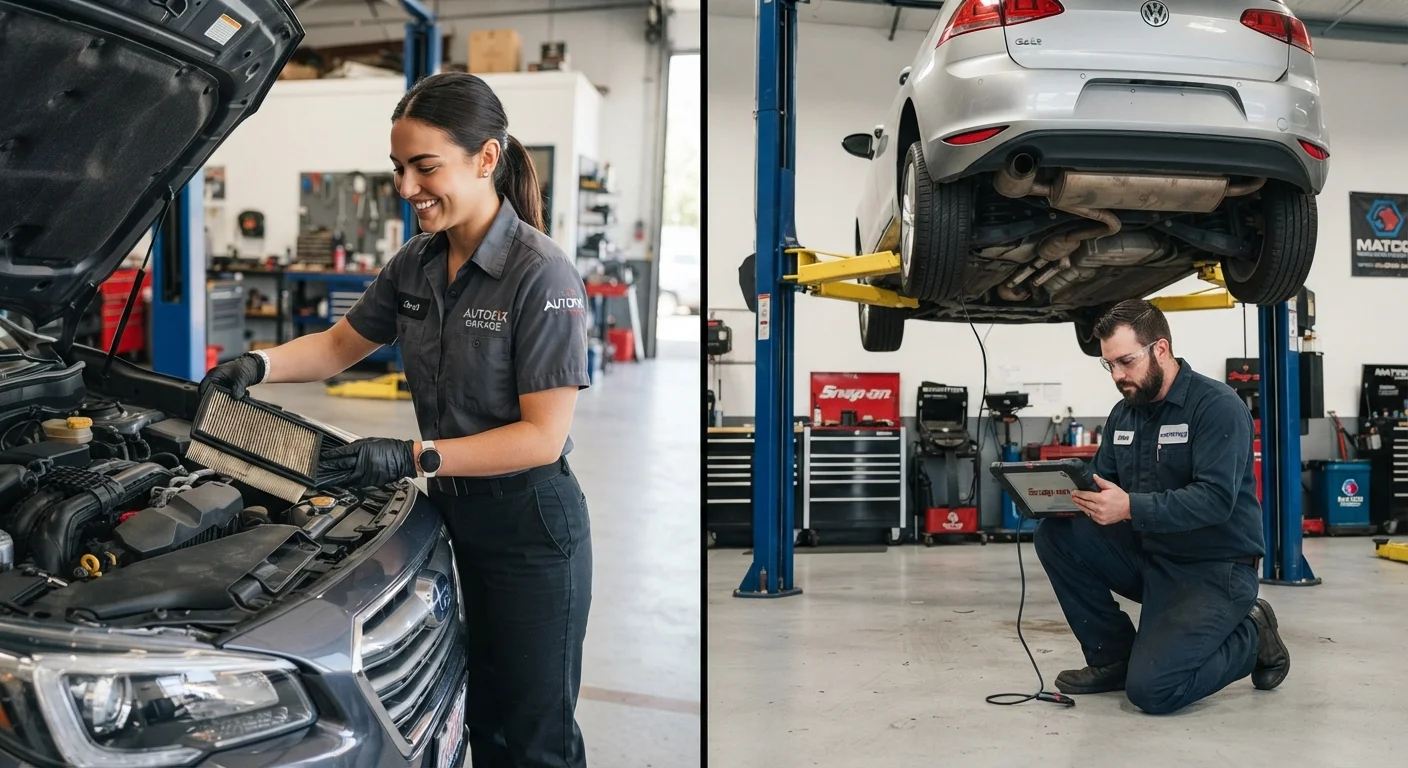
Some maintenance tasks are genuinely approachable for careful, attentive DIYers: air filter replacement, wiper blade swaps, battery changes, and checking/topping off fluids. Others - anything involving brake hydraulics, fuel systems, airbag components, or structural suspension work - carry real safety risk and should be handled by a qualified mechanic.
The honest calculus isn't just about skill level; it's about risk if something goes wrong. A mistake on an air filter costs nothing. A mistake on a brake caliper can be dangerous. Our in-depth guide on DIY car maintenance vs. taking it to a mechanic lays out which tasks fall into which category with practical guidance on how to decide.
The full picture of ongoing ownership costs is worth understanding no matter where your vehicle is in its lifecycle - smart maintenance decisions compound over time into real savings and, just as importantly, fewer unpleasant surprises.
For fuel-saving habits that complement sound maintenance practices, the Driving Smarter hub covers road strategies that keep operating costs in check year-round.
This article provides general vehicle maintenance information for educational purposes. Always consult your vehicle's owner's manual and a qualified mechanic for decisions specific to your car's condition and history.