The Case for Doing It Yourself
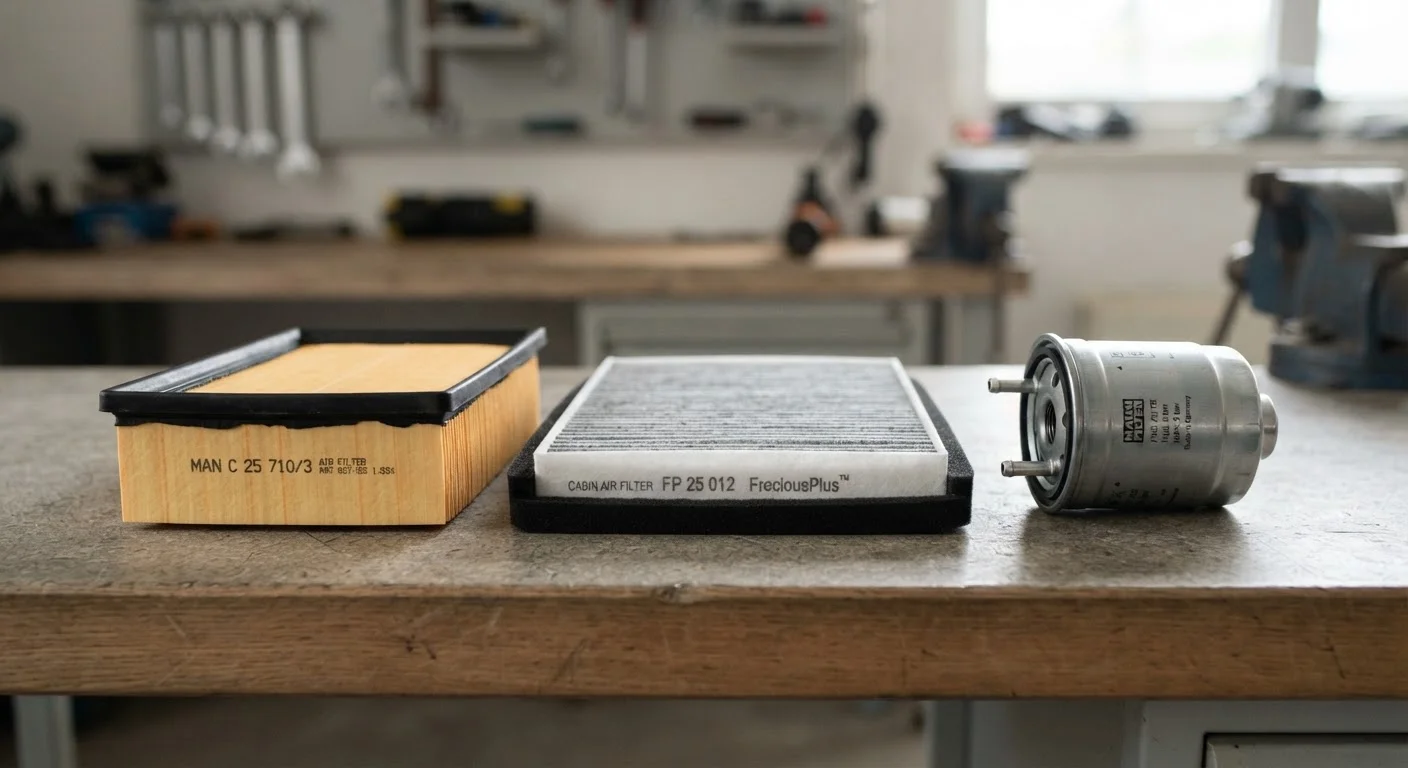
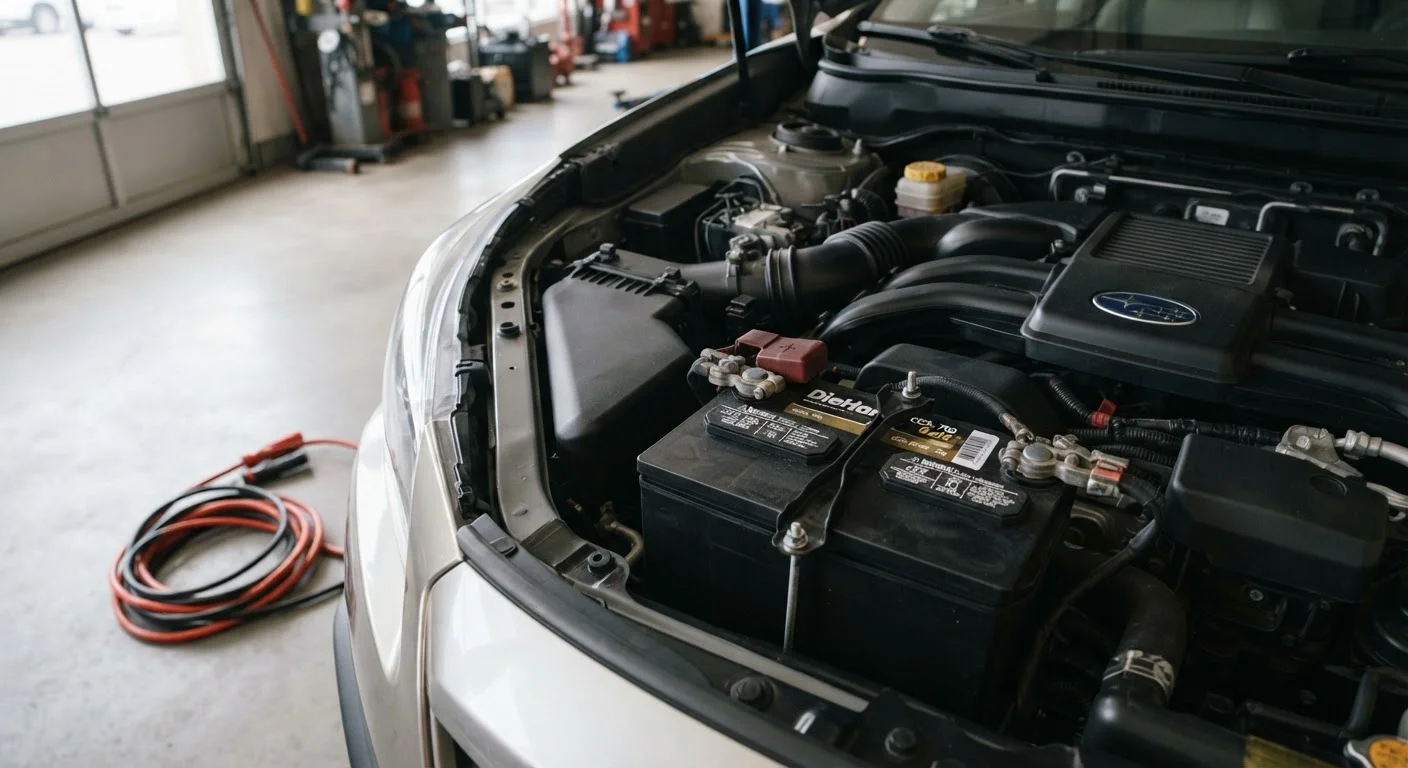
For straightforward, well-documented tasks, DIY maintenance offers genuine savings and a clearer understanding of your vehicle's condition. Oil changes, cabin and engine air filter replacements, wiper blade swaps, battery terminal cleaning, and tire pressure checks all fall into this category. These jobs require basic tools, carry low risk of serious error, and have extensive written and video guidance available.
Cost differences are meaningful. A shop oil change - including labor - can run $60-$100 or more depending on oil type and location. DIY, with the correct filter and oil, often costs $30-$50. Multiply that over a year and the savings add up. You can track exactly what went into your car, and you're not waiting in a queue.
Routine fluid checks - engine oil, coolant, brake fluid, and transmission fluid - are another area where a careful home mechanic can catch problems early without any specialized equipment. Catching low brake fluid or a coolant leak between service visits could prevent a larger repair. See our guide on decoding your maintenance schedule to understand what your owner's manual is actually asking for.
Start With Low-Stakes Jobs
If you're new to DIY maintenance, begin with tasks that are forgiving: replacing a cabin air filter, swapping wiper blades, or topping off washer fluid. These build confidence and familiarity with your vehicle's layout without putting anything critical at risk. As your comfort grows, you can assess more involved jobs honestly.
When the Mechanic Is the Right Call
Some jobs look approachable until something goes wrong - and in the wrong systems, a mistake can be dangerous or expensive. Brake pad and rotor replacement, while technically a DIY possibility for experienced home mechanics, involves safety-critical hydraulic components. An improperly seated caliper or air in the brake line creates real risk. As our article on brake warning signs explains, brake symptoms often point to issues that require proper diagnosis, not just part swaps.
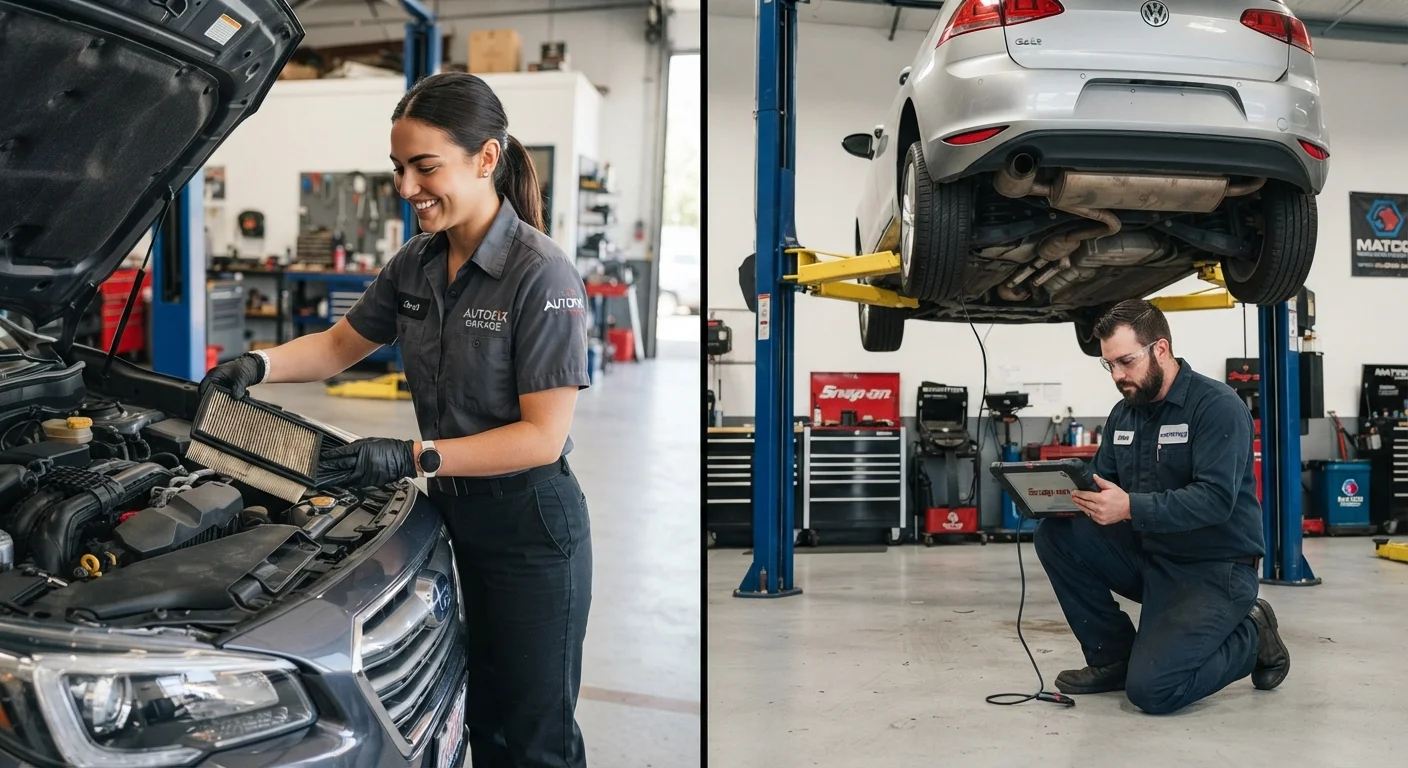
Suspension work, airbag system service, transmission repairs, and any job requiring a factory scan tool or dealer-level software belong firmly in professional hands. Modern vehicles increasingly rely on electronic systems where a misread code or improperly reset module can cascade into additional problems. Attempting these without the right equipment can also void remaining warranty coverage.
The financial logic shifts too. A DIY mistake on an engine or transmission can cost significantly more to correct than the original professional repair would have. As vehicles age, hidden complications become more common - a simple job can reveal corroded bolts or worn secondary components that change the scope of work quickly.
Don't Guess on Brake or Suspension Work
Brake and suspension components interact in ways that aren't always visible during a DIY inspection. If you're unsure whether a part is worn, have a qualified mechanic assess it - not a parts store employee using a free check. Incorrect diagnosis or improper reassembly in these systems can cause loss of vehicle control.
How to Decide: A Practical Framework
Before starting any job yourself, run through these four questions:
- Is it safety-critical? Brakes, steering, tires, and restraint systems affect your ability to control the vehicle or survive a crash. Treat these as professional territory unless you have verified training and the correct equipment.
- Do you have the right tools? Some repairs require torque wrenches, jack stands, scan tools, or specialty sockets. Factor tool cost into your savings estimate - a one-time purchase is fine, but don't improvise with the wrong equipment.
- Is the procedure well-documented for your specific vehicle? General guides don't always apply. Check your owner's manual and model-specific forums or repair databases before starting.
- What's the cost of a mistake? An incorrectly installed wiper blade is a minor inconvenience. An incorrectly installed wheel bearing or brake component is a safety hazard. Weigh the downside honestly.
This same logic applies in other repair contexts - our piece on safe DIY repair habits outlines how to assess your limits before starting any hands-on project.
| DIY Maintenance | Professional Mechanic | |
|---|---|---|
| Typical cost | Parts cost only | Parts plus labor |
| Best suited for | Routine, low-risk tasks | Complex, safety-critical repairs |
| Tools required | Basic hand tools (most tasks) | Specialty and diagnostic equipment |
| Risk if done incorrectly | Low to moderate (task-dependent) | N/A - professional accountable |
| Time investment | Varies; can be significant | Faster, handled for you |
| Warranty implications | May void coverage if done incorrectly | No warranty risk |
| Knowledge gained | High - hands-on learning | Low - outcome without insight |
Maximizing Value Whichever Route You Choose
If you're doing it yourself, invest in a quality floor jack and rated jack stands before anything else - never work under a vehicle supported only by a scissor jack. Keep records of every task you complete, including the date, mileage, and parts used. This documentation matters for resale and helps you track patterns.
If you're using a mechanic, ask for an itemized estimate and the old parts back for any major component replacement. Understanding what oil type is right for your engine helps you verify shop recommendations rather than simply accepting upsells. And thinking through the long-term financial trade-offs of ownership can clarify how much to invest in maintenance at each stage of your vehicle's life.
The goal isn't to DIY everything or to outsource everything - it's to know the difference before you're already committed to a repair you're not equipped to finish.