The Engine Air Filter: Your Intake System's First Line of Defense
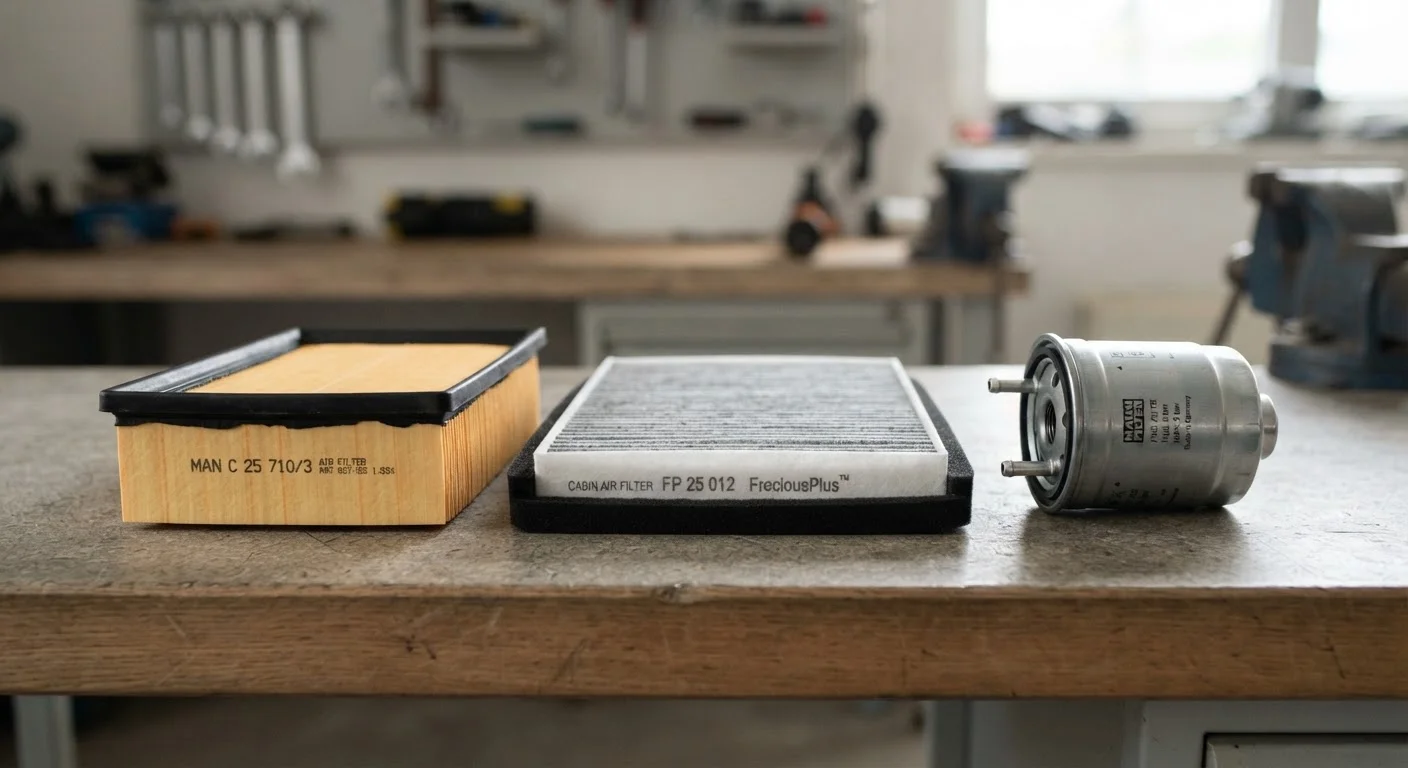
The engine air filter sits at the entrance of your vehicle's intake system and stops dust, dirt, pollen, and debris from entering the engine's combustion chambers. Internal combustion engines require a precise ratio of air to fuel - roughly 14.7 parts air to 1 part fuel at stoichiometric conditions - and that air needs to be clean to protect cylinder walls, pistons, and valves from abrasive particles.
A severely clogged engine air filter restricts airflow into the intake manifold. On older carbureted vehicles, this restriction would noticeably worsen fuel economy. On modern fuel-injected cars with mass airflow sensors, the engine management system adjusts, but you may still notice reduced throttle response and power, particularly during acceleration.
Typical interval: 15,000-30,000 miles, though drivers in dusty, unpaved, or high-pollution areas should check more frequently. Always consult your owner's manual - it's the authoritative source for your specific engine's needs.
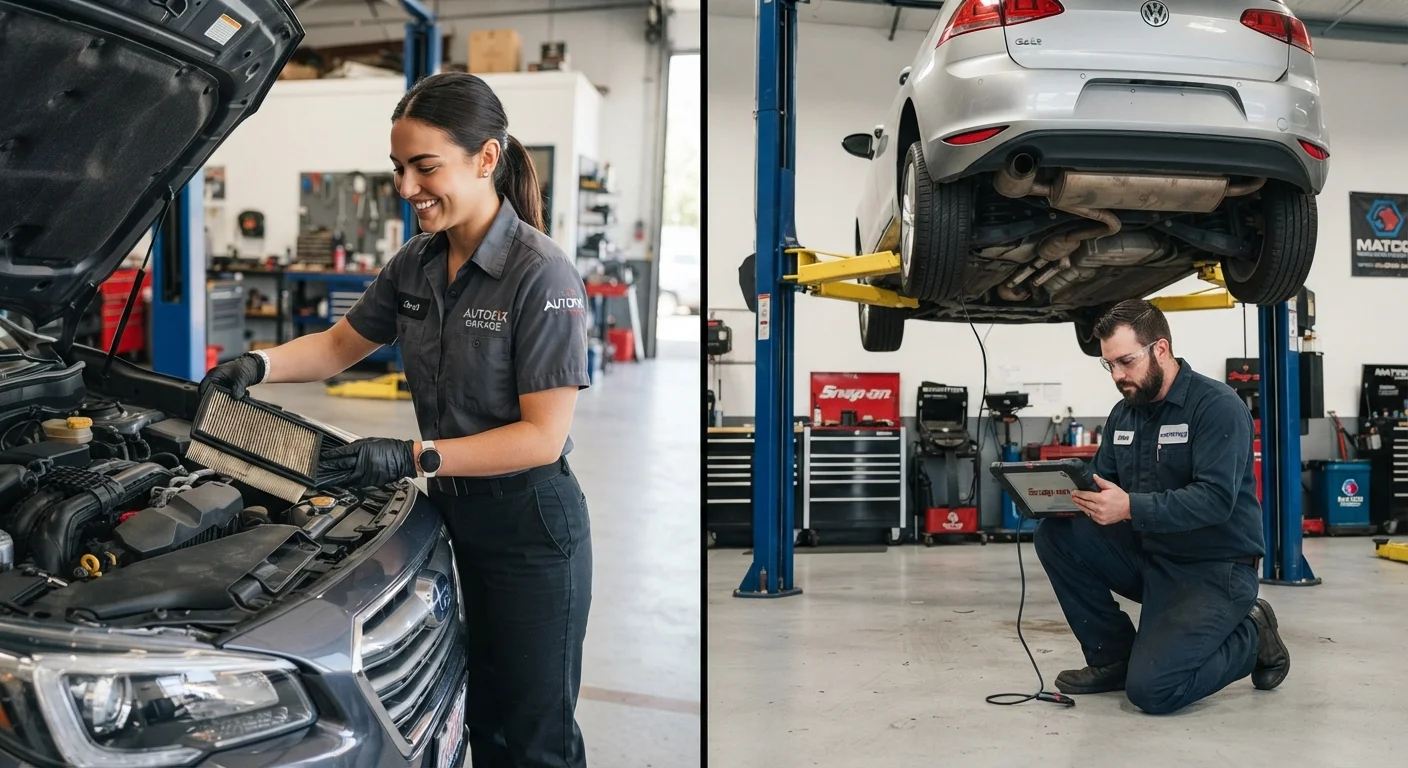
Signs it's time to replace: Visible gray or black dirt buildup when held up to light, reduced acceleration feel, or a musty intake smell. Many mechanics will inspect it free of charge during an oil change visit.
Check at Every Oil Change
Make a habit of asking your mechanic to visually inspect the engine air filter at each oil change. It takes seconds, costs nothing, and gives you an accurate picture of whether replacement is actually needed - rather than guessing based on mileage alone.
The Cabin Air Filter: What You're Actually Breathing
The cabin air filter is entirely separate from the engine system. Its sole job is to clean the air that flows through your car's heating, ventilation, and air conditioning (HVAC) system before it reaches you and your passengers. It captures pollen, dust, mold spores, and fine particulate matter - making it particularly relevant for anyone with allergies or asthma.
A neglected cabin filter doesn't damage your engine or affect fuel economy - but it does reduce HVAC airflow, which means your AC and heater work harder to move the same volume of air. In extreme cases, a fully blocked cabin filter produces noticeably weaker airflow from vents and can contribute to musty odors inside the car.
Typical interval: 15,000-25,000 miles, or roughly once a year for average drivers. Urban drivers in areas with heavy traffic or seasonal pollen should lean toward the shorter end of that range.
Where it's located: Usually behind the glove box or under the dashboard on the passenger side, though some vehicles place it under the hood near the base of the windshield. Replacement is generally a straightforward DIY task on most vehicles - the owner's manual or a reliable repair reference will show the exact location.
Cabin Filter and Allergy Season
If anyone in your household suffers from seasonal allergies, consider replacing the cabin filter before peak pollen season rather than waiting for the mileage interval. A fresh filter makes a measurable difference in interior air quality during high-pollen months.
The Fuel Filter: Protecting Your Injectors from Contamination
The fuel filter removes particulate matter - rust particles, sediment, and debris - from gasoline or diesel before it enters the fuel injectors or carburetor. Fuel injectors operate under high pressure and have extremely tight tolerances; even small particles can cause injector wear, partial blockage, or uneven spray patterns over time.
On many vehicles built before the mid-2000s, the fuel filter was an inline component in the fuel line - accessible under the hood or beneath the car - and was treated as a regular maintenance item. On a large number of modern vehicles, the fuel filter is integrated into the fuel pump module inside the fuel tank. This design is less prone to clogging under normal conditions, but replacement is a more involved job best left to a qualified mechanic.
Typical interval: Varies significantly. Some manufacturers specify 30,000 miles; others consider the in-tank filter a lifetime component under normal conditions. Check your owner's manual - there is no universal rule here.
Symptoms of a compromised fuel filter: Hard starting, hesitation or stumbling under acceleration, rough idle, or the engine cutting out under load. These symptoms overlap with other issues, so a proper diagnosis matters before replacing components. If you're curious how fuel system health connects to long-term ownership costs, our overview of fuel costs over a car's lifetime provides useful context.
Putting It Together: A Simple Maintenance Approach
The practical takeaway is straightforward: three filters, three separate systems, three different consequences when neglected. Engine air filters directly affect intake system cleanliness; cabin filters affect your comfort and air quality; fuel filters protect expensive injector hardware.
None of these are items to wait on until something obviously breaks. Proactive replacement at manufacturer-recommended intervals is reliably cheaper than addressing the downstream problems a clogged filter can cause. A restricted engine air filter won't destroy an engine overnight, but an overlooked fuel filter in a vehicle where it's serviceable can accelerate injector wear over thousands of miles.
For homeowners who also track household maintenance costs, automotive filter replacements are a good candidate to batch - schedule cabin and engine air filter checks at the same visit to save time. Pairing these checks with routine fluid inspections makes for a comprehensive at-home maintenance walkthrough. And if you want to understand which driving habits actually move the needle on efficiency, our breakdown of fuel efficiency myths separates fact from fiction.