Why the Sticker Price Is the Smallest Number
Most buyers walk into a dealership fixated on the purchase price. It's understandable - it's the largest single number on the table. But in practice, the sticker price often represents only a fraction of what you'll spend over a vehicle's lifetime. The American Automobile Association (AAA) has consistently found in its annual Your Driving Costs studies that the average American spends well over $10,000 per year on vehicle ownership once all costs are included.
Those costs break into several distinct buckets: depreciation, financing interest, insurance, fuel, maintenance, tires, registration fees, and taxes. Each line item is predictable to some degree - and that's actually good news. It means you can plan for them rather than be blindsided.
$10,000+
Average annual vehicle ownership cost
AAA's annual 'Your Driving Costs' research consistently finds total ownership costs exceed this threshold for average U.S. drivers.
~50%
Value lost to depreciation in five years
General industry estimates indicate new vehicles can shed roughly half their value within the first five years of ownership.
$1,500-$2,500
Typical annual fuel cost range
Varies significantly based on vehicle fuel economy, annual mileage driven, and regional gasoline prices.
Depreciation: The Silent Budget Killer
Depreciation is the single largest ownership cost for most vehicles, yet it rarely gets discussed at the point of sale. A new vehicle can lose roughly 20% of its value in the first year and up to 50% within five years, according to general industry estimates. That loss is real money - it's the gap between what you paid and what the vehicle is worth when you sell or trade it in.
Buying a vehicle that's two to three years old shifts a significant portion of that depreciation curve onto the previous owner. It doesn't eliminate depreciation, but it changes where you sit on the curve. Similarly, some vehicle categories hold their value better than others - a factor worth researching before purchase rather than after.
When comparing two vehicles at similar purchase prices, check their five-year residual value estimates - a vehicle that holds 50% of its value versus 35% represents a meaningful real-world cost difference worth thousands of dollars.
Depreciation is the largest single ownership cost for most drivers, yet it's rarely part of the pre-purchase conversation. Quantifying it up front prevents buyer's remorse later.
Request the manufacturer's scheduled maintenance guide - not the dealer's upsell menu - and build your service calendar from that document alone.
Dealers sometimes recommend services at intervals shorter than the manufacturer requires. Following the owner's manual protects the vehicle without unnecessary spending.
Insurance, Fuel, and Registration Costs
Insurance is a recurring cost that surprises many owners with how much it varies. Premiums depend on the vehicle's safety ratings, its repair cost profile, your driving record, your location, and even your credit history in most states. A larger SUV or a vehicle with expensive parts can cost significantly more to insure than a compact sedan with strong safety scores. Shopping your policy at each renewal is one of the few direct levers you control.
Fuel is the most visible ongoing expense, and its real cost depends on two variables: how far you drive and what the vehicle consumes per mile. EPA fuel economy estimates are a useful baseline, but real-world consumption often differs. A vehicle rated at 28 mpg that you drive 15,000 miles per year at an average gas price of $3.50 costs roughly $1,875 annually just in fuel.
Registration, taxes, and fees vary considerably by state but should not be ignored. Annual registration fees, personal property taxes on vehicles (in some states), and emissions inspection fees can add several hundred dollars per year to ownership costs.
Minimum Coverage Can Leave You Exposed
State-required minimum liability insurance is designed to protect other drivers, not your vehicle or your finances. If your vehicle has significant value or you carry a loan or lease, minimum coverage is rarely sufficient. Review your policy limits carefully and understand what collision and comprehensive coverage actually protect before making coverage decisions.
Maintenance and Unexpected Repairs
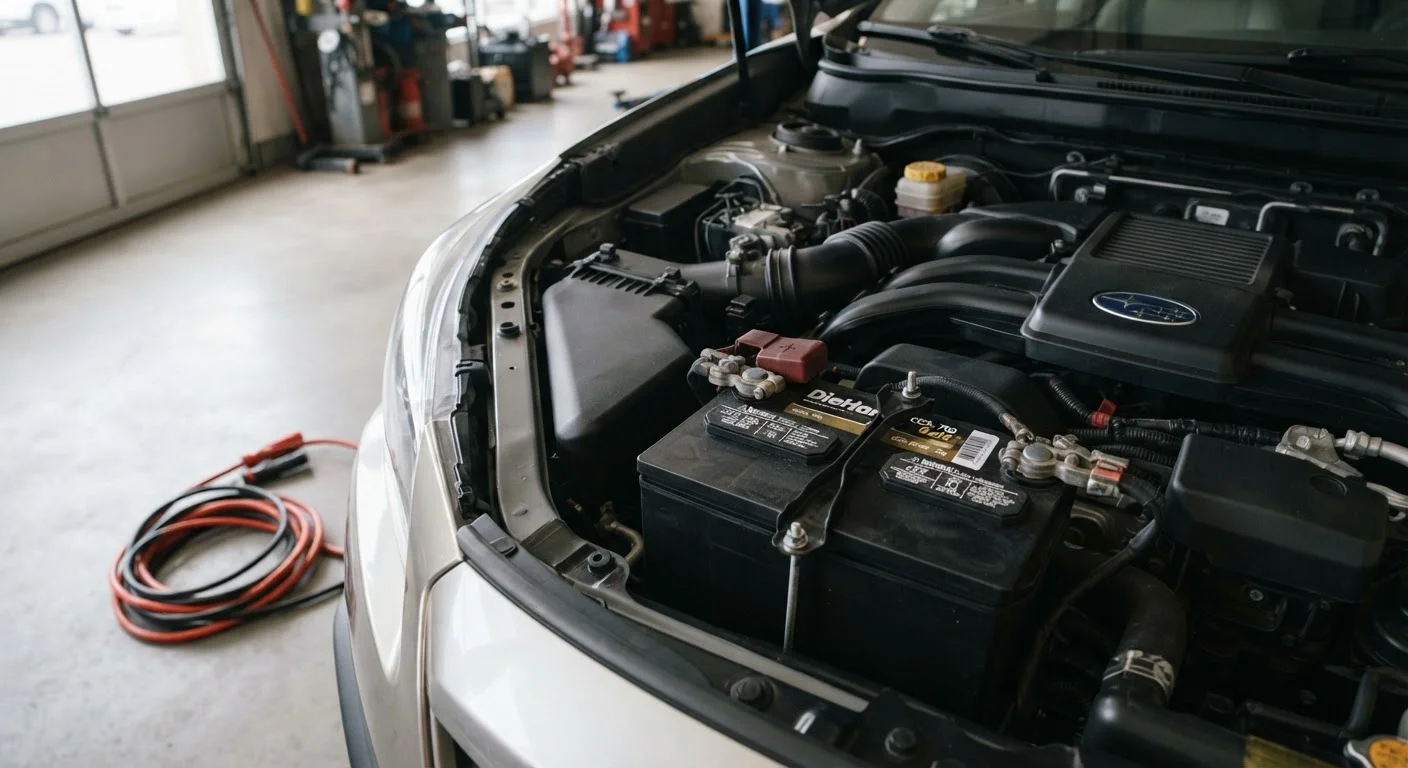
Routine maintenance - oil changes, tire rotations, air filters, brake pads, and fluid flushes - is the most controllable part of the ownership equation. Following the manufacturer's recommended service schedule is the most cost-effective strategy available. Deferred oil changes, for example, can accelerate engine wear in ways that turn a $60 service into a multi-thousand-dollar repair.
Tires deserve their own line in your budget. A set of four quality tires can run $600-$1,200 installed, and most vehicles need them every 40,000-60,000 miles depending on driving style and tire type. Factor that into a monthly cost: at 50,000-mile intervals, you're looking at roughly $15-$25 per month just for tires.
Unexpected repairs are harder to budget for precisely - but not impossible. Industry data suggests setting aside $75-$100 per month in a dedicated vehicle repair fund is a reasonable starting point for vehicles older than three years. If the fund goes untouched, it rolls forward. If a repair hits, you're covered without disrupting other budget categories.
How to Build a Realistic Ownership Budget
The most practical step you can take is to calculate a total monthly cost of ownership before committing to a vehicle - not just the monthly payment. Add up estimated insurance, fuel, maintenance, tire allocation, registration, and a depreciation estimate (the expected value drop divided by the months you plan to own it).
A useful rule of thumb: if the total monthly ownership cost - including all of the above - exceeds 15-20% of your monthly take-home pay, the vehicle is likely stretching your budget. That threshold isn't a guarantee of financial comfort, but it's a widely cited benchmark from consumer finance educators as a starting point for discussion.
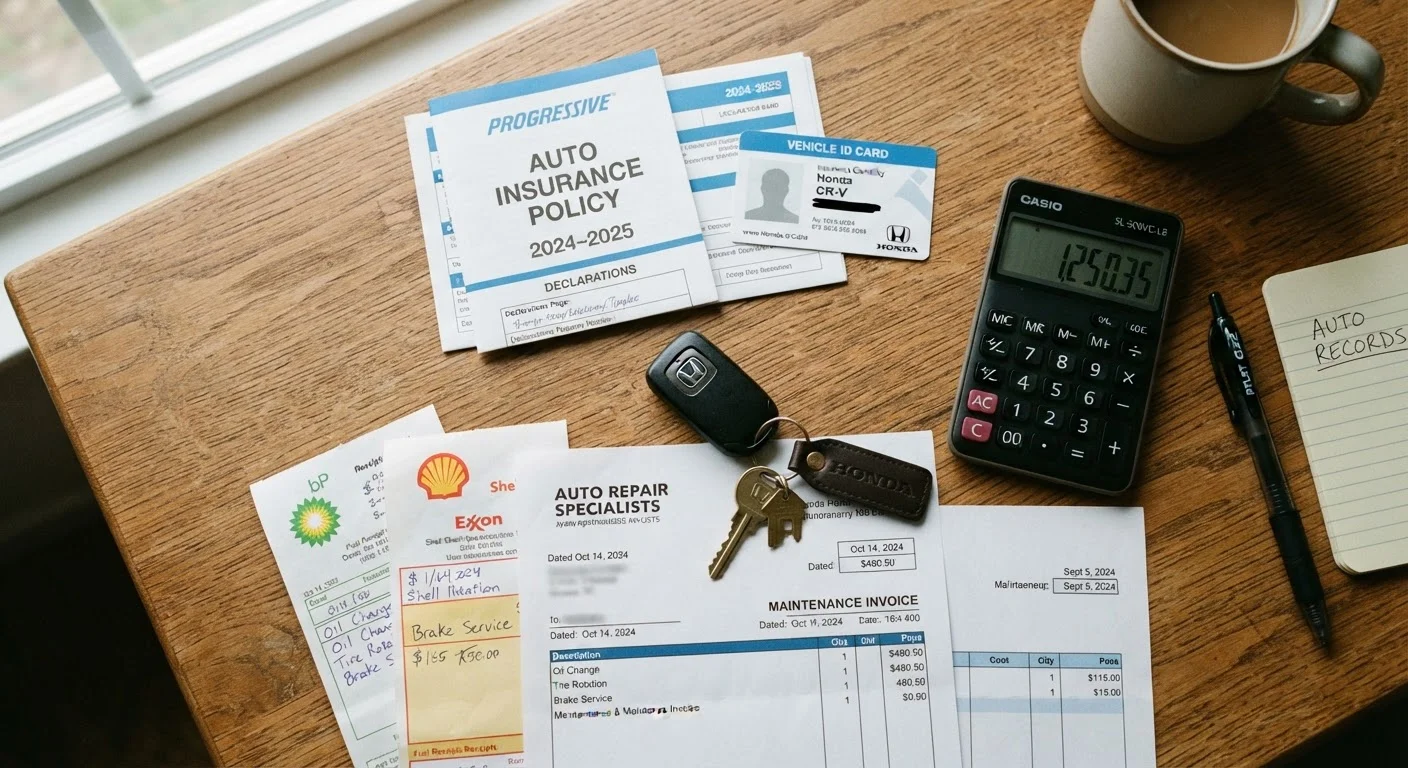
Keep records of every expense in a simple spreadsheet or budgeting app. After 12 months, you'll have a precise picture of what your specific vehicle actually costs to operate - data that makes every future vehicle decision smarter.
This article is for general informational and educational purposes only and does not constitute financial or legal advice. Consult a qualified financial professional for guidance specific to your personal circumstances.