
Why the Channel Matters for Your Savings Strategy
Most shoppers instinctively treat deal hunting as a single skill set - find the discount, apply it, save money. In practice, the tactics that reliably surface savings in one shopping environment tend to underperform in the other. Online and in-store retail operate on fundamentally different pricing mechanics, information environments, and shopper leverage points.
Understanding that distinction is the foundation of smarter shopping. Before reaching for a coupon app or heading to a clearance aisle, it's worth knowing why each channel produces deals differently - and how to position yourself to take advantage. For a grounding in what a genuine deal looks like in the first place, see how to separate real savings from marketing theatre.
Online Deal Hunting: Leverage Data and Automation
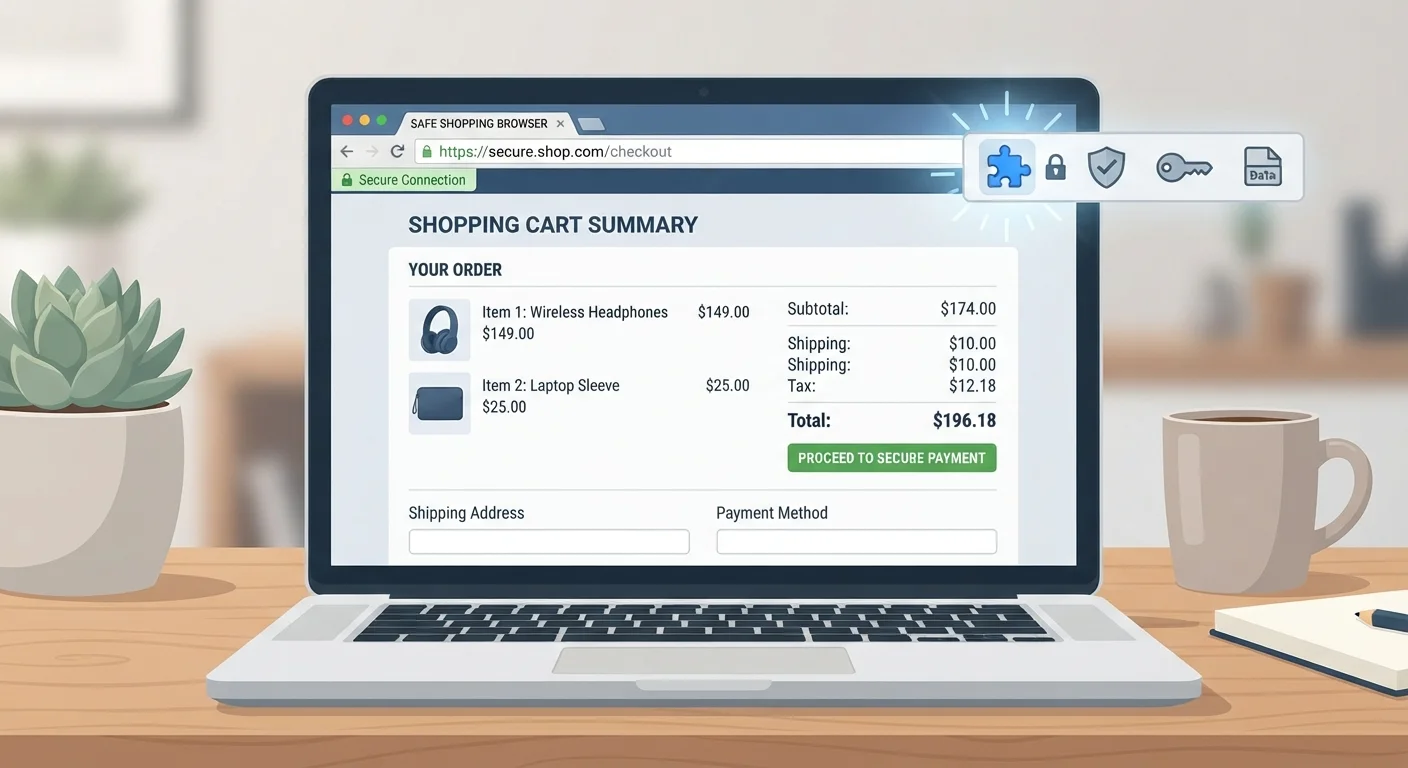
The defining advantage of online shopping is price transparency. With the right habits, you can verify a current price against its own history, compare it across multiple sellers simultaneously, and set automated alerts to avoid timing purchases poorly.
Price History Tools
Browser-based price history checkers (which track a product's recorded price over time) are among the most practical tools available to online shoppers. They allow you to assess whether a promoted sale price is actually lower than what the item has sold for in recent months - a check that's nearly impossible to replicate at a physical register. Keep in mind that deal-finding browser extensions involve privacy trade-offs worth considering before installing them.
Stacking Discounts Methodically
Online channels often allow layering: a site-wide promotion can sometimes be combined with a cashback portal credit and a payment-card reward. This stacking potential is largely absent in physical retail. Stacking discounts requires a methodical approach to avoid combining offers that cancel each other out or trigger exclusions.
Use Wish Lists as a Patience Tool
Adding an item to an online wish list rather than purchasing immediately serves two purposes: it creates a waiting period that filters impulse purchases, and some retailers monitor wish-list activity and issue targeted price reductions. Neither outcome is guaranteed, but the habit costs nothing and occasionally pays off.
Where Online Shoppers Get Tripped Up
Dynamic pricing - where retailers adjust prices frequently based on demand signals - means an online price can change within hours. A deal confirmed in the morning may not exist by evening. Shipping costs and return friction also erode apparent savings in ways that aren't always obvious at checkout.
In-Store Deal Hunting: Leverage Presence and Timing
Physical retail offers something online channels rarely do: the ability to negotiate, inspect clearance inventory firsthand, and ask staff directly about upcoming markdowns. These are meaningful advantages that shoppers who default entirely to online purchasing tend to leave on the table.
Clearance and Floor-Sample Pricing
In-store clearance sections often carry steeper markdowns than the same retailer's online clearance page - because physical clearance involves real shelf-space pressure that digital listings don't. Floor models and open-box items, particularly for appliances and electronics, are frequently priced below comparable online listings. Retailers often hide their best prices in spots most shoppers walk past.
Negotiation Leverage
Price-matching and manager discretion are live options in many brick-and-mortar stores, especially for higher-ticket items. Asking whether a price-match policy applies, or whether a floor model carries any additional discount, costs nothing and occasionally produces meaningful reductions.
| Online Shopping | In-Store Shopping | |
|---|---|---|
| Price history verification | Easy, via tracking tools | Requires phone lookup |
| Discount stacking potential | High - portals, codes, cards | Limited - loyalty cards mainly |
| Negotiation opportunity | Rare or non-existent | Available for higher-ticket items |
| Clearance inventory access | Available but parity-priced | Often deeper markdowns on-shelf |
| Product inspection before purchase | Not possible | Hands-on assessment available |
| Price change risk | Dynamic pricing, can shift hourly | Generally stable within a day |
| Return convenience | Shipping friction, varies by retailer | Typically faster in-person |
The In-Store Blind Spot: Limited Price Context
Without a smartphone check, it is difficult to know whether a shelf price is genuinely competitive. In-store signage is written by the retailer, not an independent source. Shoppers who skip the quick phone verification step are essentially trusting the seller's framing - which is where manufactured urgency and inflated original prices do the most damage. Timing-based in-store promotions are also often overstated.
How to Combine Both Channels Without Doubling Your Effort
The most practical deal-hunting framework treats online research as a pre-purchase step and in-store visits as a verification and negotiation opportunity - not as two separate processes. Research the price range and history online, then visit the store equipped with that data if the product category rewards in-person evaluation (appliances, furniture, tools).
For categories where physical inspection adds little value - commodity goods, consumables, standard-spec electronics - online purchasing with price tracking typically produces the most consistent outcomes. Understanding the difference between cashback, rebates, and reward points also helps you decide which channel actually nets you more after any post-purchase benefits are accounted for.
For homeowners managing a range of purchase categories, building a sustainable deal-hunting habit means knowing which tools to apply where - not trying to apply all of them everywhere. Keeping that distinction clear is what separates an efficient shopper from one who spends more time hunting deals than benefiting from them.