
Why a Pre-Purchase Checklist Pays Off
Marketing is designed to compress your decision-making window. Flash timers, bold percentage-off badges, and social proof counters all push toward a faster click. The antidote is a consistent, repeatable set of questions you run before any significant purchase - not after the dopamine hit of checkout.
This checklist is built around the habits that consistently protect household budgets. It works whether you're weighing a kitchen appliance, a piece of furniture, or a bulk pantry order. For a deeper look at how retailers construct the appearance of savings, see our piece on what separates real savings from marketing theatre.
Work through each group below before you commit. If a purchase fails more than two or three of these checks, that's a signal worth heeding - not ignoring.
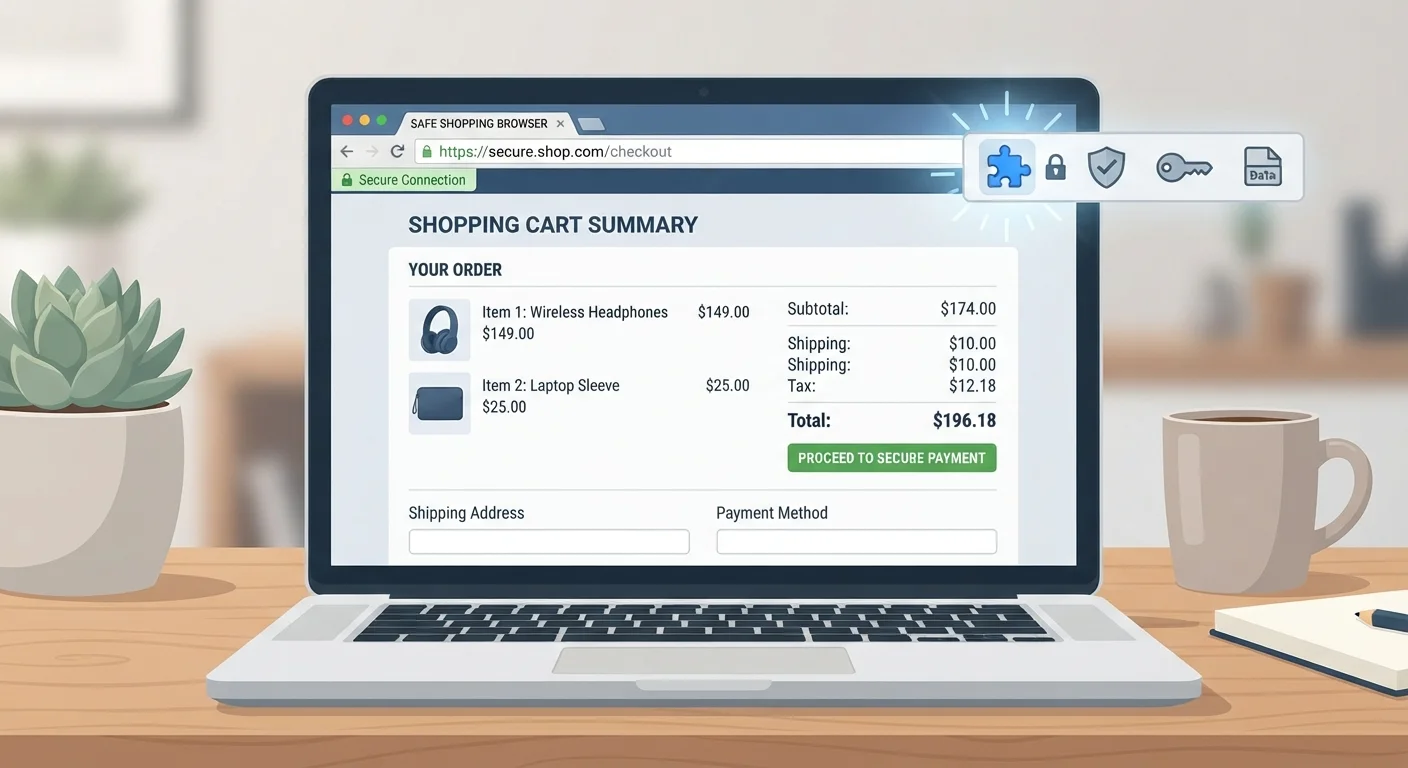
Price history tracker (browser extension)
Displays historical pricing data on retail product pages so you can verify whether a discount reflects a genuine reduction.
Spreadsheet or notes app
Records total cost calculations and comparison prices across retailers so you're comparing apples to apples.
Retailer review aggregator
Pulls independent customer reviews from multiple sources to give a more balanced picture of product quality and seller reliability.
The Full Pre-Purchase Checklist
These 18 items are grouped into four logical stages: confirming the price is genuine, assessing the product itself, calculating true cost, and verifying the purchase mechanics. Move through them in order - earlier checks often make later ones unnecessary.
Price Verification
Product Fit Assessment
True Cost Calculation
Purchase Mechanics & Risk
Marketplace Sellers Carry Extra Risk
When purchasing from third-party sellers on large retail platforms, the platform's return policy may not apply uniformly - the individual seller sets their own terms. Always read the seller-specific return and warranty information before buying, not the platform's general policy. If a seller's storefront has minimal transaction history or no verifiable contact details, that's a meaningful red flag regardless of price.
Once you've completed this checklist and confirmed the purchase makes sense, it's worth applying the same discipline to the buying process itself. Our pre-purchase checklist for major buying decisions covers quality assessment and timing in greater depth for high-stakes purchases.
If this is a secondhand or refurbished item, two additional resources apply directly: understanding new vs. refurbished categories and the key questions for secondhand purchases.
Putting the Checklist Into Practice
Running through these checks doesn't require specialist tools or financial expertise - it requires the habit of pausing before purchasing. Over time, the process becomes faster because you internalize the questions. Most shoppers find that within a few weeks, many of these checks happen automatically before they even open a product page.
For those newer to active deal-hunting, deal hunting without getting burned offers a plain-language foundation on the mindset and habits that make structured evaluation easier. And if you're looking to apply sharper scrutiny across your household budget more broadly, the Smart Buying hub and Budget Stretching hub cover complementary ground.
The goal isn't to talk yourself out of every purchase. It's to ensure that when you do buy, you're confident the value is real - not manufactured.