Why 'Good Deals' Often Aren't
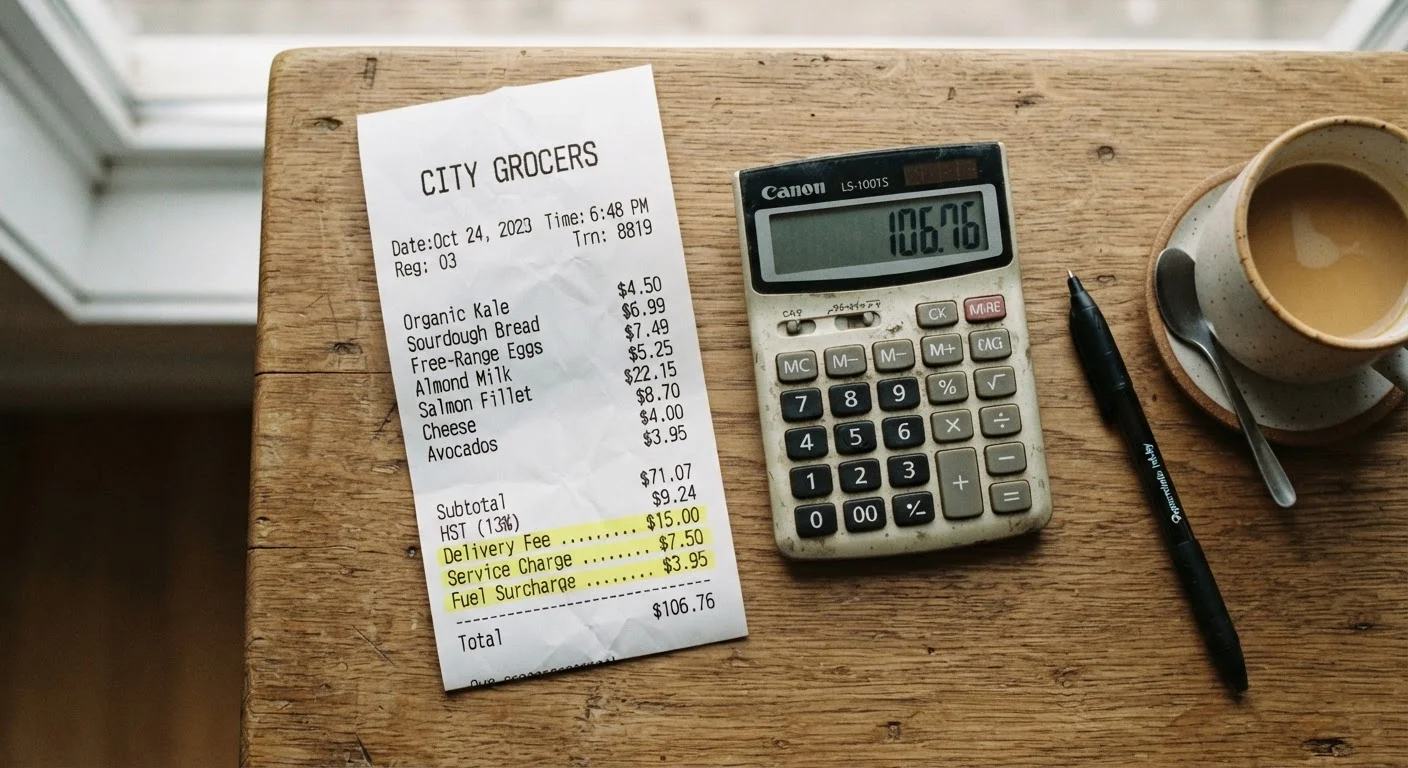
A price that looks compelling at first glance can look very different once you add shipping, handling, taxes, or mandatory service fees. Retailers have become skilled at presenting a low headline number while layering costs that only appear at checkout - or after the sale is complete. The result: shoppers who believe they saved money but actually spent more than they intended.
This isn't about blaming retailers for legal pricing practices. It's about recognizing the patterns so you can account for them before you commit. The mistakes below are the most common ways hidden costs quietly drain household budgets - and each one is avoidable with a small shift in how you evaluate a purchase. For a broader look at how sticker prices mislead, see how cheap purchases become expensive.
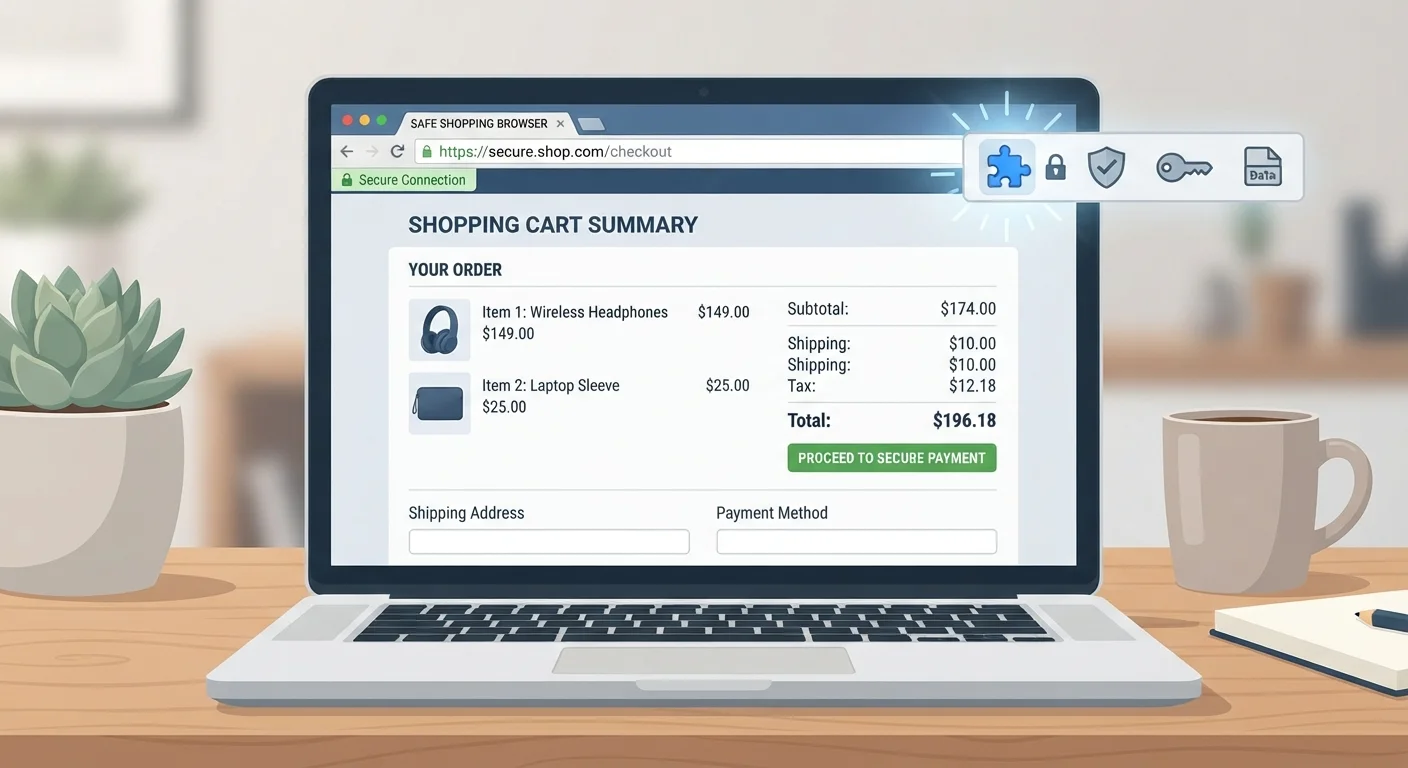
Judging a deal by the item price alone, ignoring shipping and handling costs.
Why it happens: Shipping costs are typically revealed only at checkout, after the shopper has already invested time selecting an item and feels committed to completing the purchase.
Signing up for a subscription to unlock a one-time discount without tracking the recurring charge.
Why it happens: A first-order discount tied to subscribing feels like a clear win in the moment. The ongoing charge feels abstract until it appears on a bank statement weeks later.
Overlooking restocking fees and non-refundable shipping when evaluating a return policy.
Why it happens: Shoppers focus on whether a return is accepted, not on what it costs. A '30-day returns accepted' policy can still mean paying a 15% restocking fee plus return postage.
Buying in bulk to save per-unit cost without accounting for storage, spoilage, or cash-flow impact.
Why it happens: Per-unit math is straightforward and satisfying. The downstream costs of spoiled food, wasted space, or a tighter monthly budget are less visible at the point of sale.
Ignoring convenience fees charged for preferred payment methods or expedited processing.
Why it happens: These fees appear late in the checkout flow, often framed as optional upgrades, making them easy to accept without recalculating the actual total.
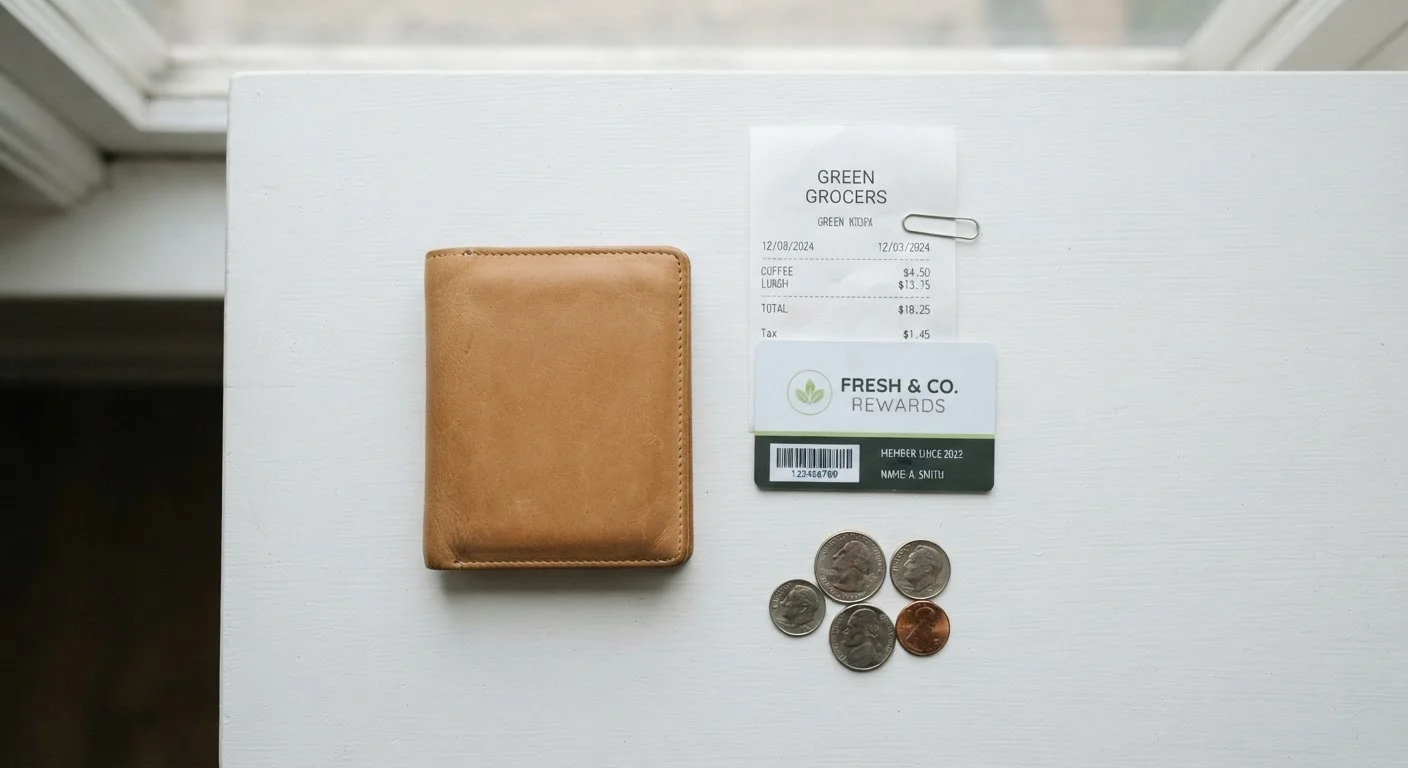
Treating loyalty points or cashback as free money rather than a fraction of money already spent.
Why it happens: Points and cashback percentages are marketed as bonuses, which frames them as gains rather than partial returns on spending. This can encourage additional purchases justified by rewards that don't fully offset the cost.
Building a Habit That Protects Your Budget
Most hidden costs aren't hidden in any legal sense - they're disclosed in terms, fee schedules, or checkout summaries that shoppers routinely skip. The gap between the advertised price and the true cost is largely an attention gap, not a deception gap. Closing it requires a consistent pre-purchase habit rather than deal-hunting instincts.
Free Trials Rarely Stay Free Without Action
Services that offer free trial periods almost universally require a payment method upfront and convert automatically to paid subscriptions when the trial ends. If you don't cancel before the deadline - which may not be the same day the trial expires - you'll be charged. Calendar reminders set at sign-up are the simplest defense against unintended renewals.
Before completing any purchase above a threshold you set for yourself, make a point to locate the full fee breakdown, read the return and cancellation policy, and calculate the annualized cost if a subscription is involved. This takes two to four minutes and will surface most of the common traps covered above. For ongoing protection against recurring-charge creep, subscription creep is worth understanding in depth.
Connecting these habits to your broader household budget makes them stick. Resources on home budgeting strategies and reducing recurring household bills can help you build a system rather than making one-off judgment calls under checkout pressure.
47%
Shoppers who check return policies before purchase
Consumer research consistently finds that fewer than half of online shoppers review return terms before completing a purchase, leaving many exposed to restocking fees and non-refundable shipping costs.
$219
Avg. annual spend on unused subscriptions per household
Estimates from financial services research suggest the average US household spends roughly this amount each year on subscriptions that are rarely or never used.
This article is for general informational purposes only and does not constitute financial advice. Readers should consult a qualified financial professional for guidance specific to their personal circumstances.