Why 'Cheap' Often Costs More
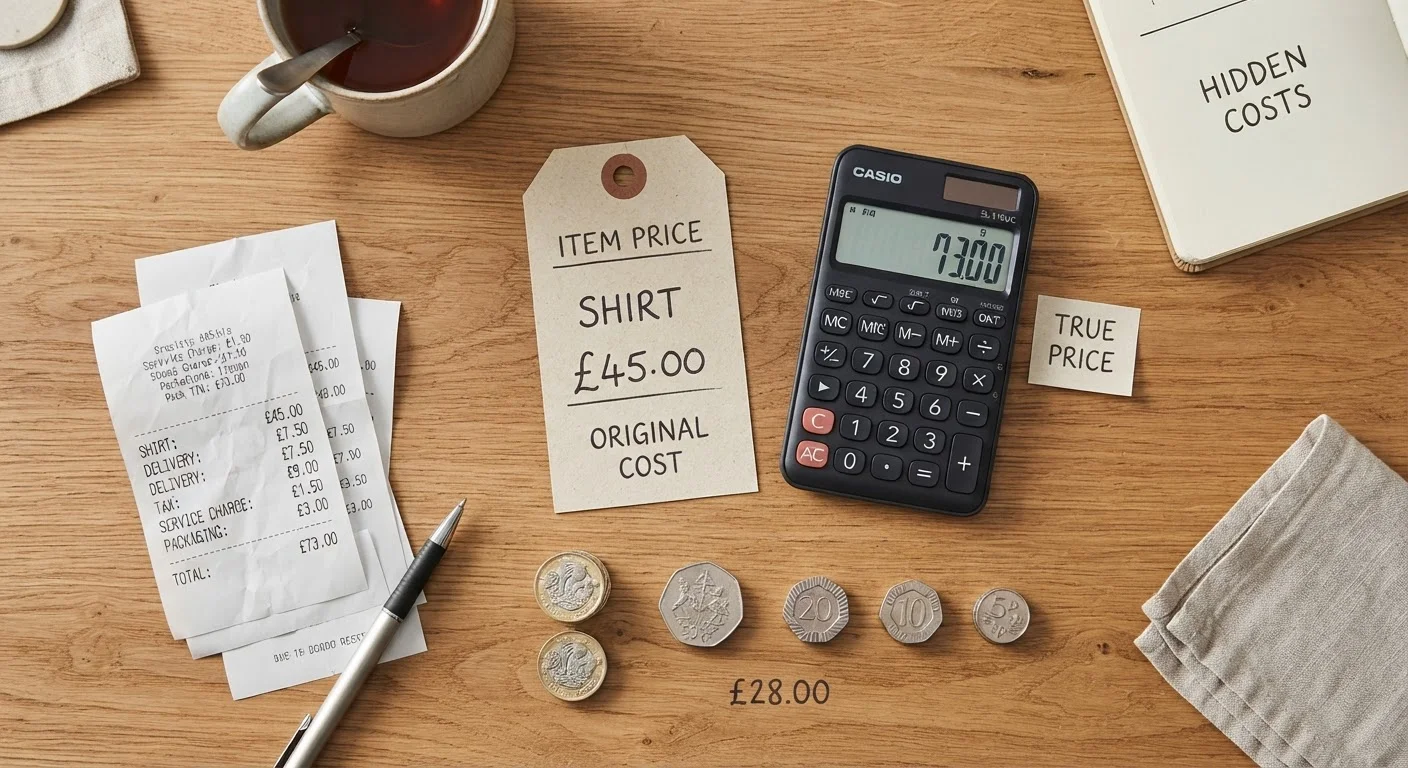
A low sticker price is one of the most reliable ways to catch a shopper's attention - and one of the least reliable ways to measure value. Across product categories, from home appliances to electronics to vehicles, the purchase price represents only the entry point. What follows - maintenance, consumables, energy use, and eventual replacement - determines what you actually spend.
This is the core concept behind total cost of ownership (TCO): the complete financial picture of buying and using a product over its realistic lifespan. Understanding TCO before you buy, rather than after, is the single most reliable habit separating informed consumers from budget-blown ones. For a closer look at how this plays out with major purchases, see how hidden homeownership costs wreck budgets and how the true cost of car ownership stacks up far beyond the lot price.
3-5×
Lifetime cost vs. purchase price for major appliances
Consumer research consistently shows that energy, maintenance, and repair costs over a product's lifetime can multiply the original sticker price several times over.
~30%
Of buyers who regret a purchase cite unexpected costs
Surveys on post-purchase regret commonly identify unanticipated ongoing expenses - not initial price - as a leading driver of dissatisfaction.
Mistakes That Turn a Deal Into a Loss
Most overspending on 'cheap' purchases isn't caused by carelessness - it's caused by specific, predictable blind spots in how we evaluate prices. The mistakes below are consistent across product categories. Recognising them before you shop is the most effective protection against them.
Evaluating only the upfront purchase price and ignoring ongoing ownership costs.
Why it happens: Marketing naturally emphasises the purchase price because it's the most visible number. Buyers anchor to that figure and don't naturally think ahead to what happens after they take the item home.
Buying the cheapest version of a product without researching durability or failure rates.
Why it happens: In the moment, a lower price feels like a win. Consumers underestimate how quickly a poorly made product will wear out or underperform, triggering an earlier replacement cycle.
Overlooking mandatory accessories or consumables that aren't included in the base price.
Why it happens: Manufacturers and retailers frequently advertise a core unit price while keeping essential add-ons - batteries, cables, cartridges, filters - sold separately. Shoppers discover these gaps only after purchase.
Ignoring energy consumption as a meaningful long-term cost driver.
Why it happens: Energy costs are invisible at the point of sale and feel abstract. Most buyers don't connect a product's wattage or efficiency rating to their monthly utility bill.
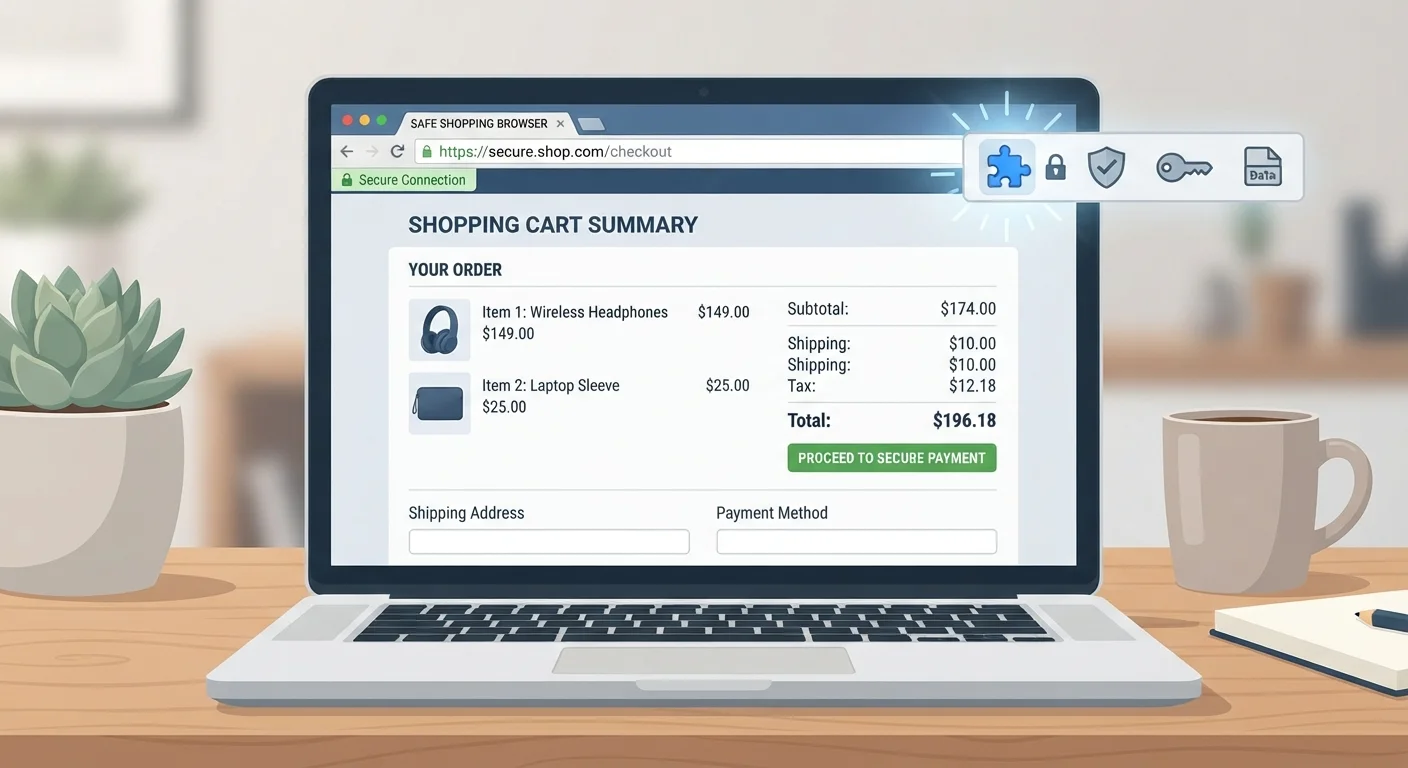
Failing to account for delivery, installation, haul-away, or setup fees.
Why it happens: These fees are often disclosed only late in the checkout process or buried in fine print, making them easy to miss during early comparison shopping.
Low Prices Can Signal High Long-Term Costs
An unusually low sticker price sometimes reflects poor build quality, expensive proprietary consumables, or a limited support ecosystem. Before assuming you've found a bargain, research typical maintenance costs, replacement part availability, and energy consumption. What looks like savings upfront may cost considerably more once you're locked in.
For shoppers looking at vehicle purchases specifically, the overlooked costs most car buyers miss follow exactly the same pattern: fees, accessories, and recurring expenses that aren't visible at the point of negotiation.
True Cost Goes Beyond the Price Tag
Before committing to any significant purchase, calculate the total cost of ownership over a realistic time horizon - one, three, or five years. Include consumables, servicing, accessories, warranties, and disposal costs. A thorough pre-purchase audit takes minutes and can save hundreds of dollars over the life of the product.
The habit of calculating total cost of ownership doesn't require complex tools - a basic spreadsheet or even a notes app is enough. The goal is to make the invisible visible before money changes hands, not after. See the deal-hunting strategies hub for practical frameworks to compare options on a level playing field.