Why Retailers Discount: The Inventory Logic
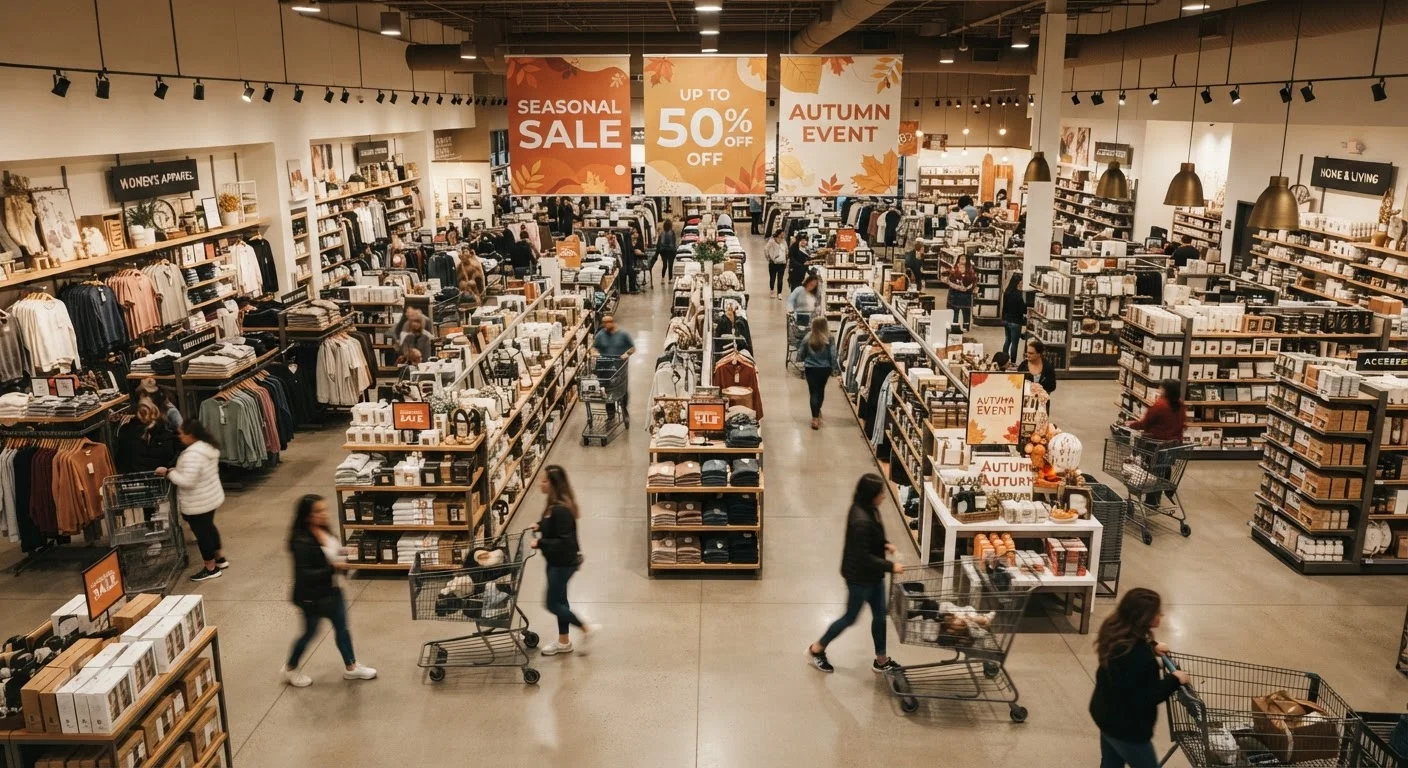
Retail discounting is primarily an inventory management tool. When a retailer stocks seasonal merchandise - patio furniture in spring, space heaters in fall - they face a hard deadline: the selling window closes whether or not the product moves. Unsold inventory ties up capital, consumes warehouse space, and risks becoming obsolete when next season's models arrive.
Markdowns are the mechanism retailers use to accelerate sell-through before those deadlines hit. The deeper the discount, the faster inventory moves - but every percentage point cuts into margin. This is why retailers don't discount arbitrarily; they follow planned markdown schedules designed to balance speed of clearance against profitability.
Understanding this logic reframes how you interpret a sale. When a retailer drops prices on winter coats in February, it's not because they suddenly want to reward you - it's because holding that stock into spring costs them more than accepting a lower margin now. That dynamic can work in your favor, but only if you're buying something you actually need and planned to purchase anyway.
Discounting Is Planned, Not Reactive
Most retailers operate on markdown calendars set weeks or months in advance. When a sale appears, it reflects a pre-planned inventory strategy - not a spontaneous competitive response. This means the 'urgency' messaging common in promotional events is a marketing choice, not an indicator of scarcity or exceptional pricing.
The Main Discount Windows by Category
Different product categories follow distinct seasonal schedules, each tied to when demand peaks and when new inventory arrives.
- Apparel: End-of-season clearance is the most reliable window - late January for winter clothing and late July for summer lines. Retailers need floor space for incoming seasonal stock.
- Large appliances: Prices often soften around holiday weekends (Memorial Day, Labor Day) and in September-October when new model years roll out, pushing previous versions onto clearance.
- Outdoor and patio furniture: Late summer - August through September - typically sees the sharpest markdowns as retailers clear warm-weather inventory ahead of fall floor resets.
- Consumer electronics: New model introductions (often in fall) push prior-generation prices down. Holiday promotions exist but don't always represent the lowest prices of the year.
- Holiday and seasonal décor: Post-holiday clearance - the days immediately following a major holiday - produces deep markdowns, though selection is limited.
These category-specific cycles reward forward planning over reactive shopping.
~30-40%
Typical end-of-season apparel markdown range
Retail industry analysts generally observe clearance markdowns in this range for end-of-season clothing as retailers prepare for incoming seasonal inventory.
4-6 weeks
Typical model-year transition window for appliances
When new appliance model years arrive, prior models are typically marked down within a four-to-six-week window as floor space is reallocated.
Post-holiday
Deepest seasonal décor discounts
Seasonal and holiday décor typically reaches its lowest prices in the days immediately following a holiday, when retailers clear remaining inventory rapidly.
Promotional Events vs. Structural Discounts
It's useful to distinguish between two types of discounting: promotional events and structural markdowns.
Promotional events - Black Friday, Prime Day, back-to-school sales - are heavily marketed and create a perception of urgency and exceptional value. In reality, the discounts vary widely by item, and some advertised prices are only marginally lower than non-sale prices. Not every promoted discount reflects a genuine price reduction.
Structural markdowns, by contrast, happen quietly. End-of-line clearance, model-year transition pricing, and post-season inventory reductions tend to represent genuine cost reductions - the retailer needs the product gone. These windows are less marketed precisely because retailers prefer you buy at full price.
Clearance sections and off-peak inventory windows often produce better outcomes than high-profile sales events, partly because fewer shoppers are looking there at the same time. Retailers use anchoring and scarcity cues to make promotional events feel more compelling than the underlying prices often warrant.
Track Prices Before a Sale, Not During
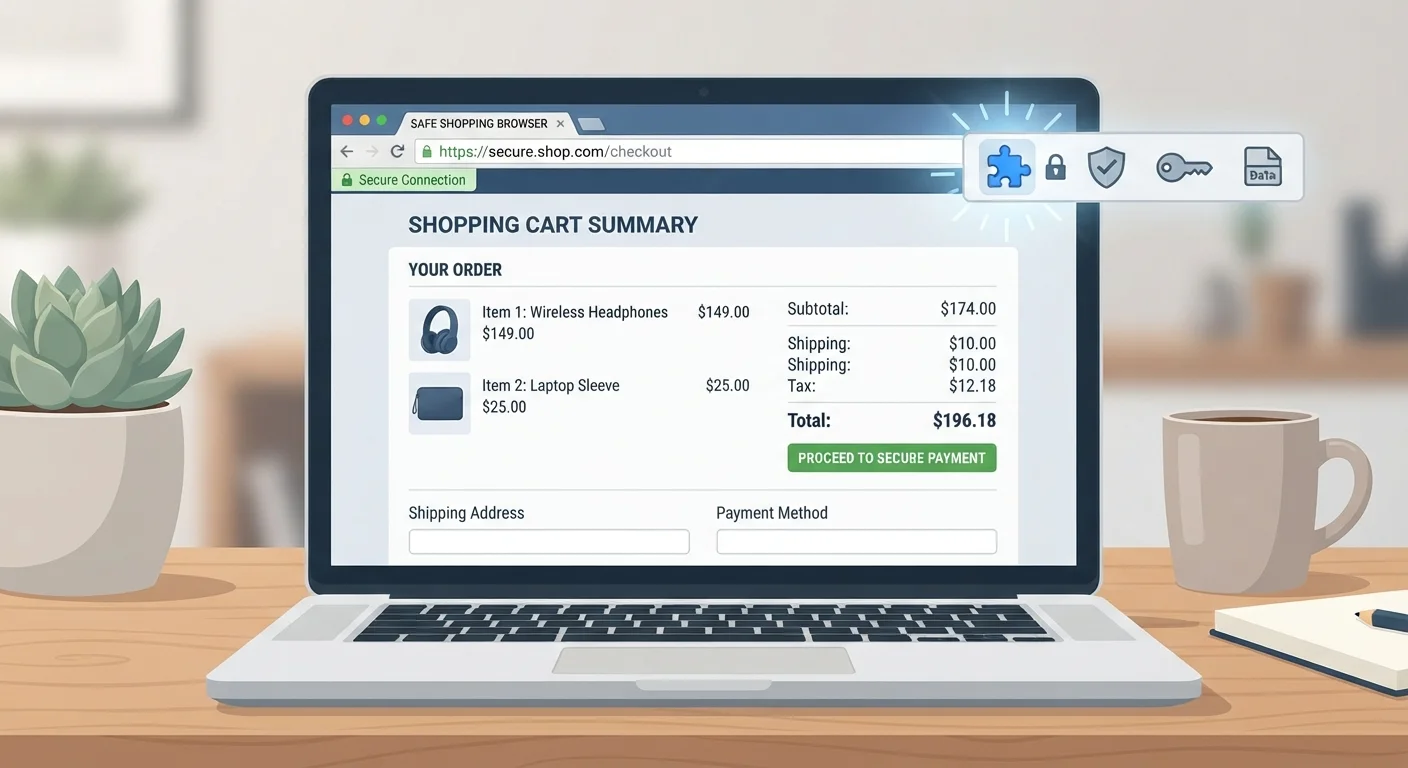
Free browser extensions and price-tracking tools allow you to see a product's price history over weeks or months. Checking this before a major promotional event - rather than during it - gives you a factual baseline to judge whether a sale price is genuinely lower. This one habit removes most of the guesswork from evaluating promotional claims.
Using This Knowledge Without Overcomplicating It
The point of understanding seasonal purchasing patterns isn't to obsessively time every transaction - it's to make smarter decisions on higher-stakes purchases where the price difference is meaningful.
For everyday consumables, the calculus rarely justifies waiting. But for appliances, furniture, outdoor equipment, or electronics - categories where prices can vary by 20-40% across the year - knowing the structural discount windows gives you a rational basis for deciding when to buy and when to wait.
The most practical approach: identify what you need before you need it urgently. Urgency is the enemy of patient purchasing. When a purchase is planned in advance, you can observe the category's natural pricing rhythm and move when the timing is genuinely favorable - rather than when a promotional banner tells you to.
For a broader view of how pricing psychology shapes purchasing decisions, see why discounts can feel more compelling than they should. And if you want to understand when timing a purchase is unlikely to help as much as marketed, the evidence on that is worth reviewing.