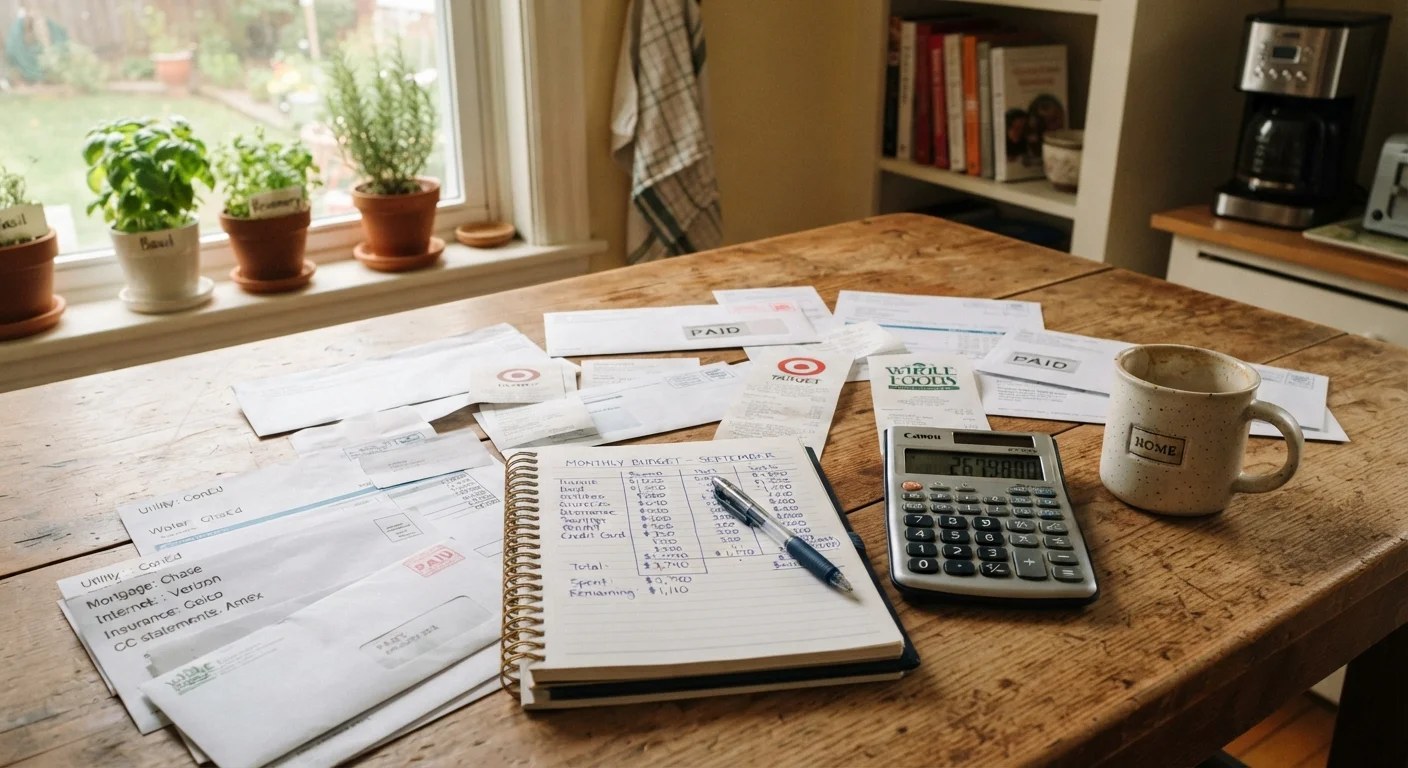

Why Paper-Perfect Budgets Still Break Down
There's a specific frustration that comes with household budgeting: you do the math, the numbers add up, and yet by the third week of the month you're staring at an account balance that doesn't match the plan. The problem usually isn't arithmetic - it's that most budgets are built on assumptions that don't survive contact with real life.
Understanding where your money actually goes is the necessary first step. But knowing your categories isn't enough if the figures inside those categories are optimistic, incomplete, or frozen in time. The mistakes that derail household budgets tend to be structural - predictable, fixable, and repeated by otherwise careful people.
This article walks through the most common failure points, explains why each one happens, and offers concrete adjustments you can make today.
Your Budget Is Not a Set-and-Forget Document
A household budget only works if it reflects your actual spending - not an idealized version of it. Plan to revisit and revise your numbers at least once a month, especially after any change in income, bills, or household expenses. Treating it as permanent makes it fragile.
The Most Common Budgeting Mistakes - and How to Fix Them
The six errors below account for the vast majority of budget breakdowns among US homeowners. They aren't signs of financial carelessness - they're the natural result of building a plan with incomplete information or unrealistic assumptions.
Building the budget around average monthly income when income actually fluctuates.
Why it happens: It's tempting to use your highest recent paycheck or an annual average as the baseline. Freelancers, hourly workers, and anyone with variable hours often overestimate reliable monthly income.
Omitting irregular but predictable expenses from the monthly plan.
Why it happens: Expenses that arrive quarterly or annually - vehicle registration, HOA dues, back-to-school costs - feel distant when you're building a budget in January and easy to forget entirely.
Underestimating small, frequent discretionary spending.
Why it happens: Individual coffee runs, streaming subscriptions added one at a time, or convenience food purchases feel trivial in isolation. Most people dramatically underestimate how much these add up to monthly.
Setting a budget with no buffer for true emergencies.
Why it happens: When money is tight, it feels wasteful to set anything aside when bills need paying now. The emergency fund gets deprioritized until the moment it's urgently needed.
Never revisiting or adjusting the budget after the first draft.
Why it happens: Creating the budget feels like the accomplishment, and revisiting it monthly feels tedious. Life changes - utility rate increases, a new insurance premium - but the spreadsheet doesn't.
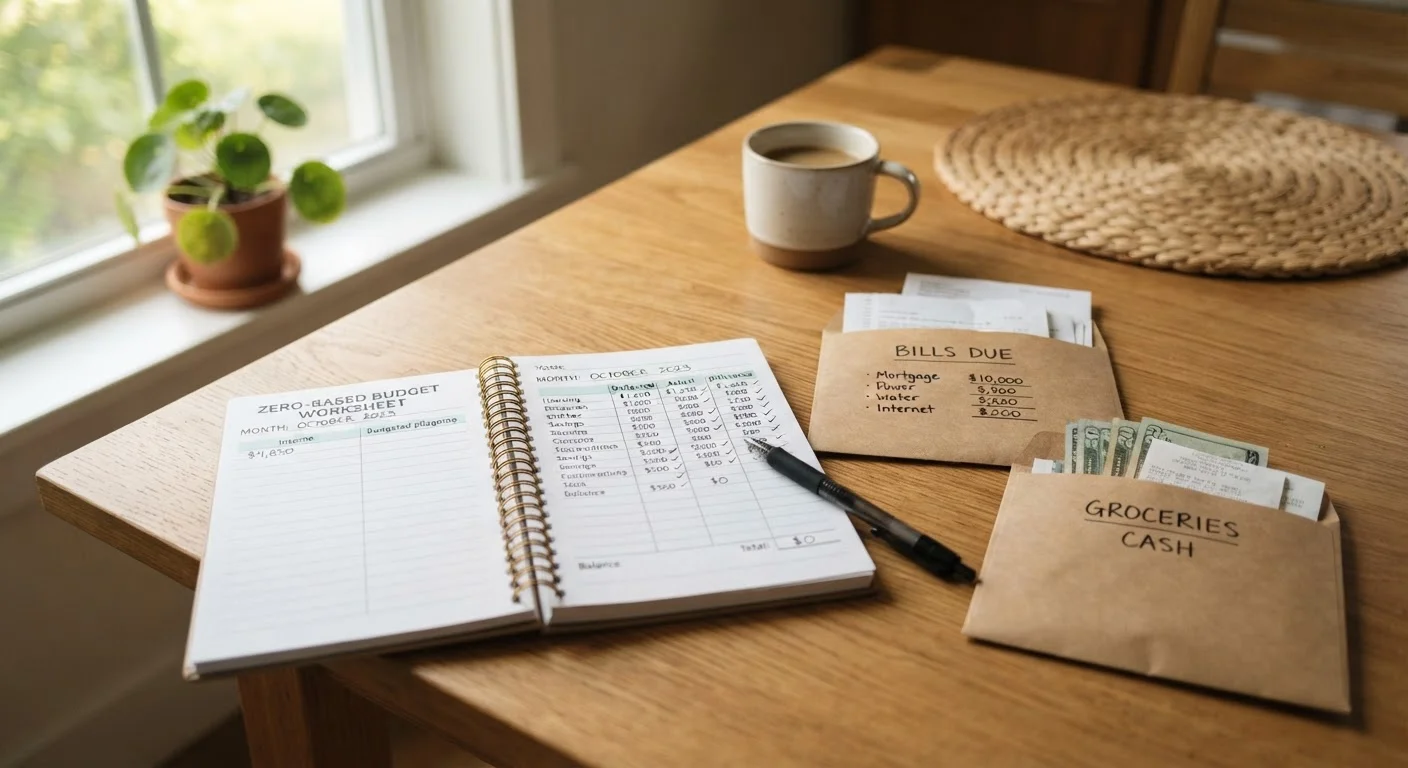
Allocating every dollar to expenses with no planned spending money.
Why it happens: Overly strict budgets eliminate all discretionary spending in an attempt to accelerate savings or debt repayment. This works on paper but is unsustainable in practice.
Irregular Expenses Will Arrive - Plan for Them
Car registration, annual insurance premiums, holiday travel, and home maintenance costs don't appear on your monthly statement - until they do. Failing to set aside money monthly for these predictable-but-infrequent costs is one of the fastest ways a sound-looking budget collapses in practice. Divide each annual irregular expense by 12 and treat that amount as a fixed monthly line item.
If you're navigating a particularly stretched month, managing household bills under pressure covers how to think through which obligations to prioritize when cash is short. And if a major life event - job loss, a new child, or a large renovation - has recently reshaped your finances, adjusting your budget after a major life change can help you rebuild from a new baseline.
Making the Budget a Tool That Actually Follows You
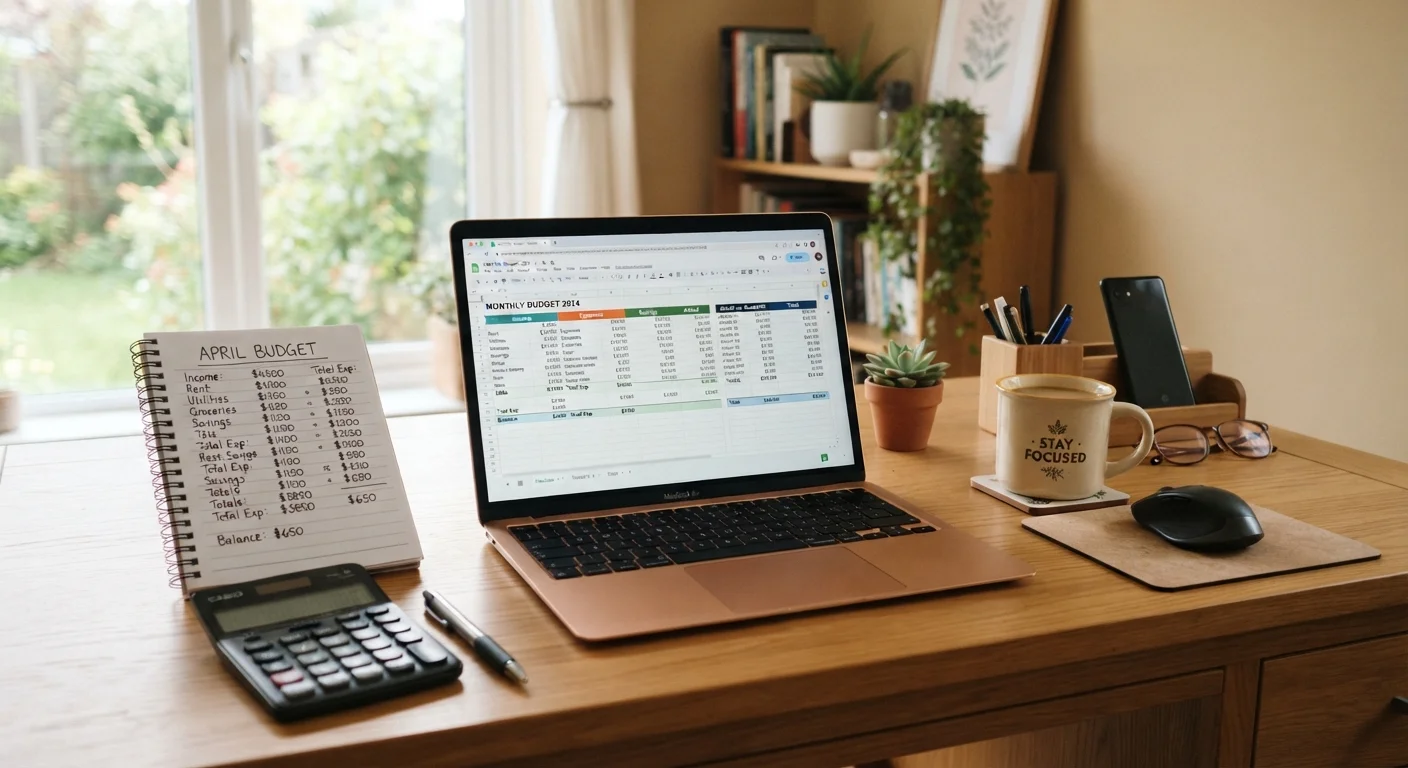
The mindset shift that makes the biggest practical difference is treating your budget as a tracking and decision-making tool rather than a one-time plan. Whichever format you prefer - notebook, spreadsheet, or app - consistency matters more than the system. Comparing budgeting methods can help you find an approach that fits how you actually work, not just how you intend to work.
~60%
Americans without a working monthly budget
Surveys conducted by the National Foundation for Credit Counseling have consistently found that a majority of US adults do not follow a detailed household budget each month.
$400
Emergency expense many households can't cover
Federal Reserve research has found that a significant share of US households would struggle to cover a $400 unexpected expense without borrowing or selling something.
For households managing shared finances, budget alignment between partners adds another layer of complexity. Budgeting as a couple requires agreed-upon rules and regular check-ins - the same principles that apply to solo budgeting, applied with an extra communication layer.
A realistic, regularly updated budget won't eliminate financial stress entirely - unexpected costs are a permanent feature of homeownership. But a plan built on actual numbers, with room for irregular expenses and a modest emergency buffer, is far more likely to hold up when real life pushes back.
This article is for general informational purposes only and does not constitute personalized financial advice. Consult a qualified financial professional for guidance specific to your circumstances.