How Time-of-Use Pricing Actually Works
Under a standard flat-rate electricity plan, every kilowatt-hour you consume costs the same regardless of when you use it. A TOU tariff breaks that assumption. Your utility publishes a schedule - usually a few rate tiers - that assigns different per-kWh prices to different windows of the day.
A typical structure might look like this:
- Peak hours: 4 p.m. - 9 p.m. on weekdays - highest rate, often 2-3 times the off-peak price
- Off-peak hours: 9 p.m. - early morning - lowest rate
- Mid-peak (on some plans): Morning hours on weekdays - a middle tier
Weekends and holidays are often priced at off-peak rates across the entire day. The exact windows vary by utility and region, so always review your specific plan's schedule rather than assuming a national standard.
Understanding why these tiers exist helps clarify when the structure benefits you. During evening peak hours, demand from millions of households hits simultaneously - people cooking, running HVAC systems, and watching television. Meeting that surge requires utilities to bring expensive backup generation online. TOU rates are designed to pass those real costs to the hours that create them, while offering a discount to customers who can shift usage away from the crunch.
Peak Windows Vary by Utility
There is no national standard for when peak hours begin and end. One utility may define peak as 3 p.m. - 8 p.m.; another uses 4 p.m. - 9 p.m. Some plans also apply different rules by season - higher summer peaks, wider winter off-peak windows. Always read your specific utility's rate schedule rather than relying on general descriptions.
Which Households Are Best Positioned to Benefit
A TOU tariff is not a universal win. Whether it lowers your bill depends on two things: the size of the rate spread between peak and off-peak, and how much of your consumption you can realistically move.
Households that tend to do well include:
- EV owners who can charge overnight rather than plugging in when they arrive home in the evening
- Remote workers or retirees whose schedules give them flexibility to run laundry and dishwashers during the day on weekends, or late at night
- Homes with programmable or smart appliances that can be scheduled automatically without manual effort
- Households with battery storage that can charge a home battery during off-peak hours and draw from it during peak windows
On the other hand, households where adults are away all day and come home to cook, run appliances, and cool the house in the 4-9 p.m. window may find their bills increase on TOU - because that is precisely the peak period. If your lifestyle is firmly tied to peak hours and you have limited flexibility, the math may not favor switching.
See our comparison of fixed-rate and variable-rate utility plans for context on how TOU fits within the broader pricing landscape.
2-3×
Typical peak-to-off-peak rate multiplier
Many US utilities offering TOU plans price peak-hour electricity at roughly two to three times the off-peak rate, according to rate schedules published by major investor-owned utilities.
~50%
US homes with smart meters installed
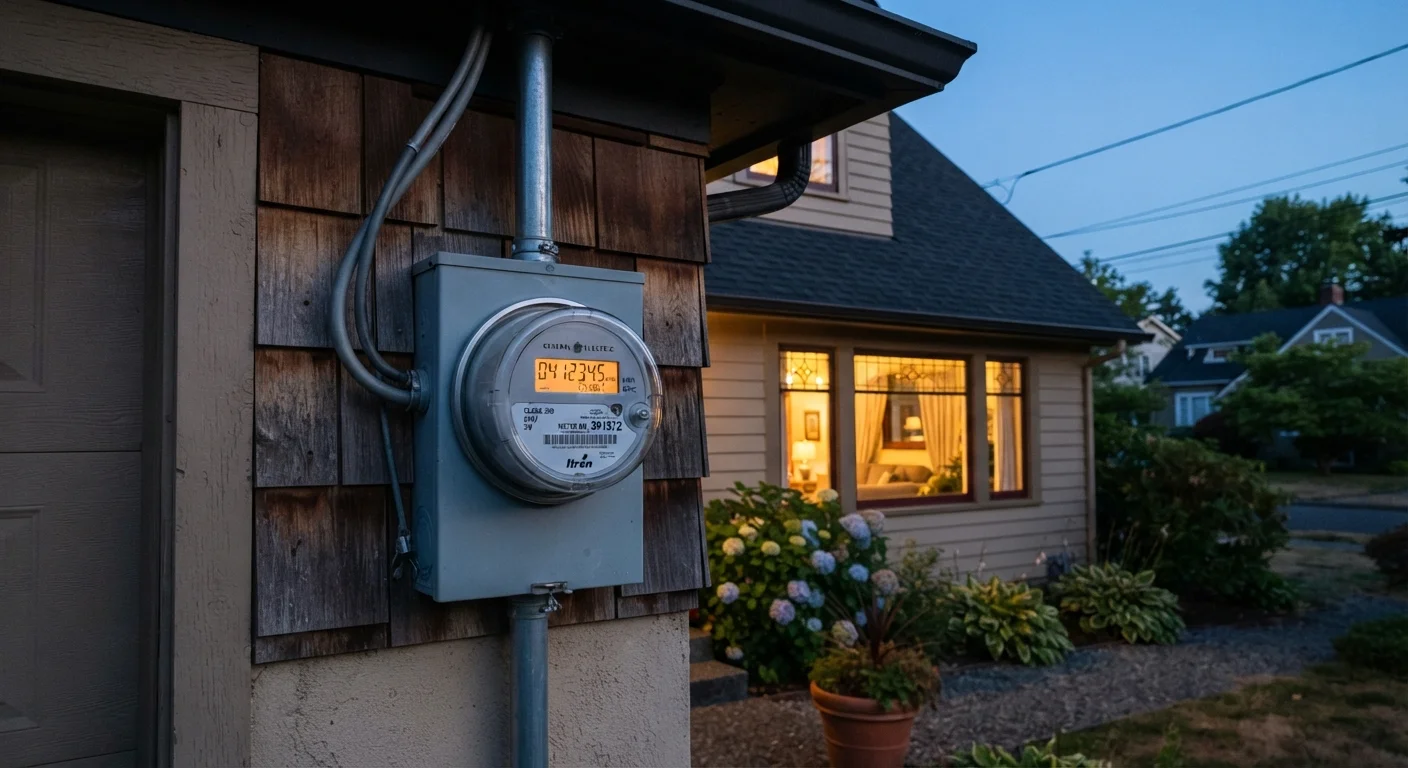
The U.S. Energy Information Administration has reported that smart (advanced) meters are installed in roughly half of US residential accounts, a prerequisite for TOU enrollment in most service territories.
Practical Steps Before You Enroll
Switching to a TOU tariff is a decision worth analyzing with your own usage data, not a leap of faith. Here is a sensible approach:
- Pull your usage history. Most utility websites let you download interval usage data if you already have a smart meter. Look at when your consumption peaks - specifically whether your heaviest use falls in the 4-9 p.m. window.
- Map your flexible loads. List every appliance you run regularly - dishwasher, laundry, water heater, EV charger - and assess which ones you could realistically shift to off-peak hours without disrupting your household routine.
- Run the numbers with your utility's rate estimator. Many utilities offer online calculators that apply your historical usage data to TOU rates so you can see a projected bill comparison before committing.
- Check enrollment terms. Understand the minimum enrollment period, how meter upgrades are handled, and what happens if you want to switch back.
The broader strategies for trimming utility bills can complement a TOU switch - modest behavior changes compound over a billing year. And if you are curious about the underlying forces pushing your rates up regardless of tariff structure, our piece on why energy bills keep climbing covers the systemic drivers worth understanding.
This article is for general informational purposes only and does not constitute personalized financial or energy advice. Consult your utility provider and, where appropriate, a licensed energy advisor before making changes to your rate plan.
Automate Before You Enroll
The biggest barrier to TOU savings is forgetting to shift loads manually each day. Before switching plans, set up automated schedules on your dishwasher, washing machine, dryer, and EV charger. Most modern appliances have built-in delay-start features. Automating first means your savings happen without relying on daily discipline.