The Rate Side of the Equation
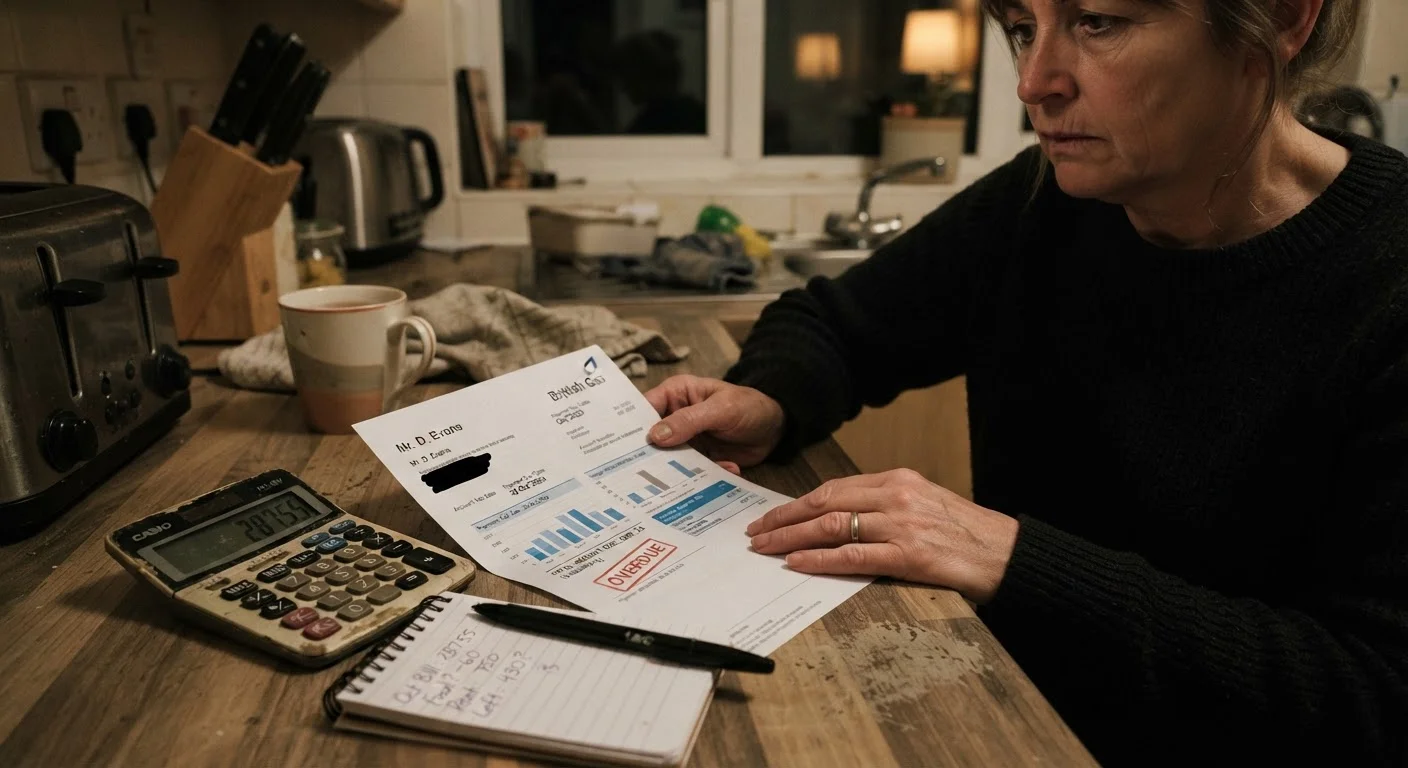
Many homeowners assume a higher bill means they used more energy. That's sometimes true - but utility rates themselves also change, and those changes compound over time. Electric and gas utilities periodically file rate adjustments with state regulators, covering infrastructure maintenance, fuel procurement, and grid modernization costs. You pay for those through your per-kilowatt-hour or per-therm charge, not through a line item that reads "rate increase."
The billing structure adds another layer. Many utilities use tiered pricing, where your first block of monthly kilowatt-hours is priced at a lower rate, and each additional block costs more. A household that pushes into a higher tier during a hot August can see a bill jump that feels out of proportion to the actual change in behavior. Understanding which tier you typically land in is one of the most useful pieces of information you can pull from your utility's usage history tool.
For a closer look at how pricing structures vary, see our overview of fixed-rate vs. variable-rate utility plans.
~50%
Share of home energy used for heating and cooling
According to the U.S. Energy Information Administration, space heating and cooling account for roughly half of residential energy consumption in the United States.
5-10%
Energy lost to standby power annually
The U.S. Department of Energy estimates that always-on standby draw from plugged-in devices represents around 5 to 10 percent of a typical household's electricity use.
2-3x
More energy used by older refrigerators vs. modern models
Appliance efficiency has improved significantly over decades; refrigerators manufactured before the early 2000s often consume far more electricity than current Energy Star-rated equivalents.
Hidden Consumption You're Probably Not Tracking
Usage patterns matter too - and several common ones go unnoticed. Standby power draw is one of the most underappreciated contributors. Televisions, game consoles, smart speakers, phone chargers, and older appliances continue drawing electricity even when not actively in use. The U.S. Department of Energy has noted that standby consumption can represent roughly 5-10% of a typical home's electricity bill annually.
Appliance age is another silent driver. A refrigerator from the early 2000s may use two to three times the electricity of a current Energy Star-rated model. An older electric water heater running on a poorly insulated tank loses heat continuously, forcing the element to cycle on more frequently. These aren't dramatic failures - they're gradual inefficiencies that simply show up as a slightly higher number on your bill each month.
Check Your Utility's Usage History Tool
Most major U.S. utilities now offer online portals showing your daily or even hourly electricity usage. Comparing your consumption pattern against billing periods - rather than just looking at the bill total - can help you identify specific days or appliances driving high usage. Some utilities also offer free in-home energy assessments; it's worth asking your provider whether this is available in your area.
For a practical look at low-effort adjustments that address these patterns, trimming utility bills without overhauling your lifestyle is a useful next read.
Your Home's Thermal Envelope
Heating and cooling typically account for the largest share of a home's energy use - often cited at roughly half of total consumption in the U.S. residential sector. How hard your HVAC system works depends significantly on how well your home retains conditioned air. Gaps around windows, doors, attic hatches, and electrical outlets allow treated air to escape and outdoor air to infiltrate, forcing equipment to run longer cycles to compensate.
This is why two households with identical thermostats and similar square footage can have noticeably different energy bills. The difference often lives in the walls, attic, and crawlspace - areas that don't signal their inefficiency loudly. Our companion piece on insulation, drafts, and heating costs covers the thermal envelope in practical detail.
Before investing in efficiency upgrades, it's also worth knowing which popular tactics don't hold up under scrutiny. Our piece on approaches that rarely deliver on reducing utility bills provides an honest assessment.
“The home that wastes the least energy is rarely the one with the newest gadgets - it's usually the one with the fewest gaps between inside and outside.”
— Building Science Corporation, U.S.-based applied building science research organization
This article is for general informational purposes only and does not constitute financial or professional advice. Consult a qualified energy auditor or licensed professional before making significant home modifications.