Where Free and Low-Cost Camping Actually Exists
The US has an enormous network of publicly managed land where overnight camping is either free or costs just a few dollars per night. The key is knowing which agencies manage which land and what rules apply. Here's a quick breakdown of the main options families can tap into.
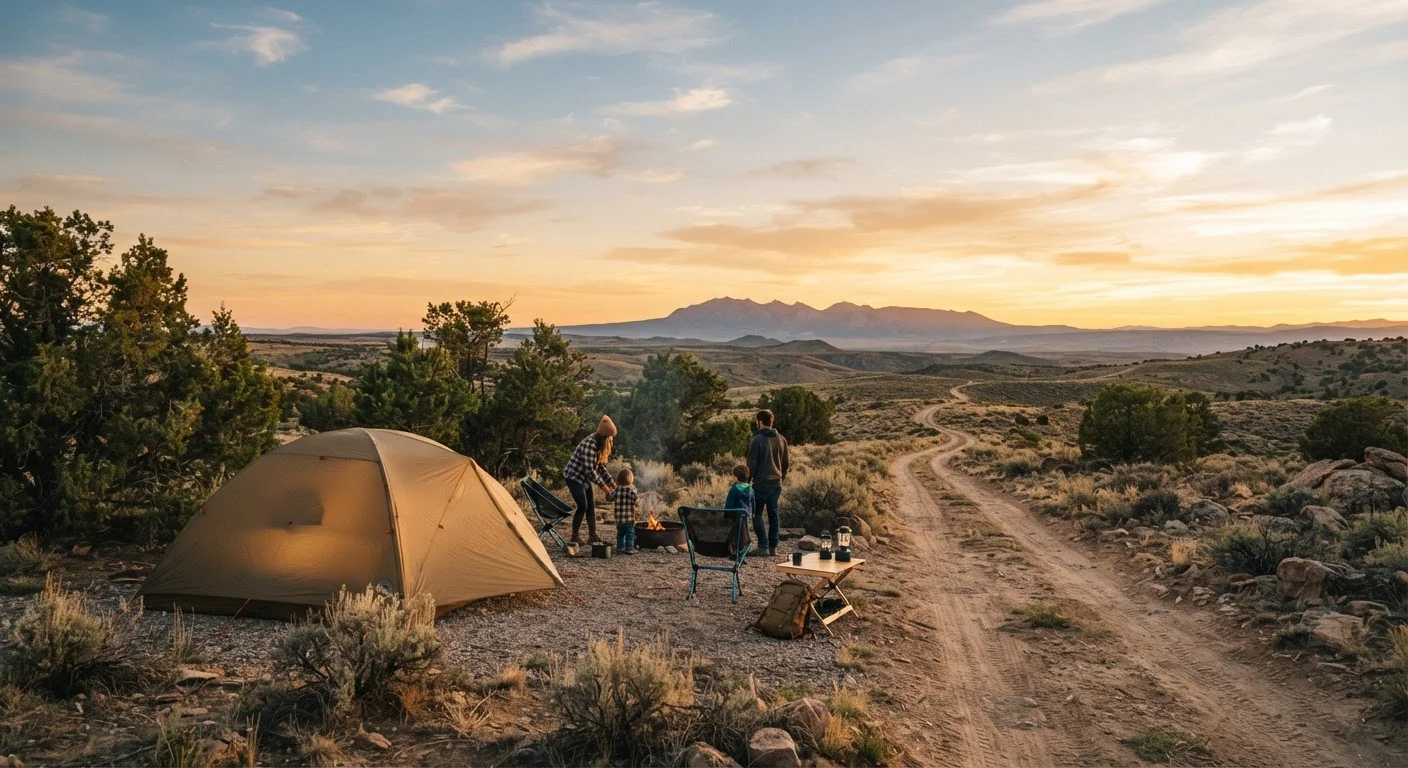
Bureau of Land Management (BLM) dispersed camping is probably the most underused resource in the country. The BLM manages roughly 245 million acres across the western US - and on most of it, you can camp for free for up to 14 consecutive days in a spot before needing to move. There are no hookups, no bathrooms, and no reservations - just open land. Think Nevada's Basin and Range, southern Utah's canyon country, and eastern Oregon's high desert.
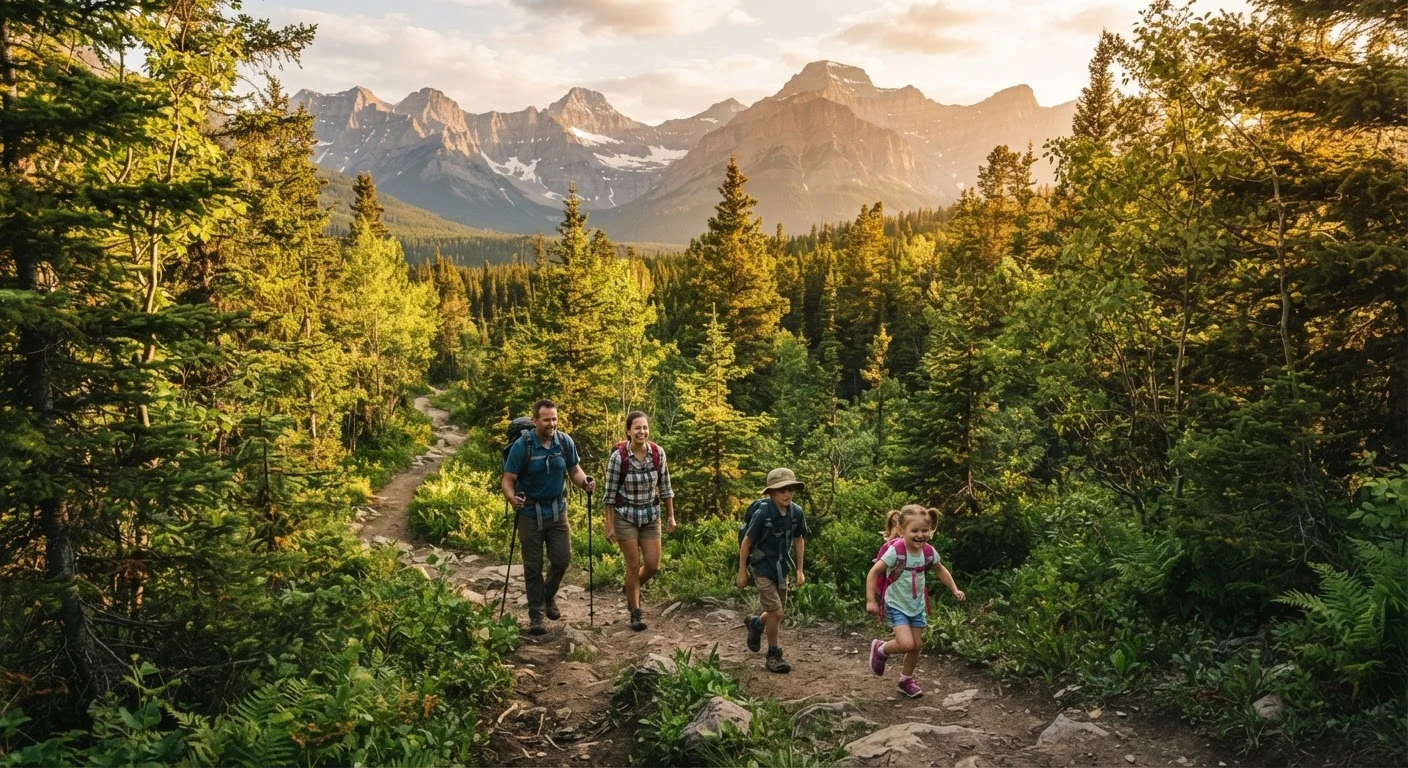
National Forests follow a similar dispersed camping model. The US Forest Service manages about 193 million acres across 44 states, and dispersed camping is allowed in most areas unless posted otherwise. Some forests also have developed campgrounds with fees ranging from roughly $10-$25 per night - substantially lower than national park campgrounds. This is a great entry point if your family wants a few amenities (like vault toilets) while still keeping costs low. Pair this knowledge with the national parks vs. state parks breakdown to decide which public land fits your trip best.
State forests and state game lands in the eastern US - particularly in Pennsylvania, Michigan, New York, and Virginia - often allow free or near-free primitive camping with a permit. These areas tend to be overlooked, which means fewer crowds and more flexibility.
Practical Tips for Pulling Off Low-Cost Camping
Dispersed Camping
Camping outside of developed campgrounds on public land, typically without facilities like water, toilets, or designated fire rings. It is often free but governed by stay limits and Leave No Trace rules.
BLM Land
Land managed by the federal Bureau of Land Management, primarily in the western United States. Much of it is open to dispersed camping at no charge, subject to local rules and fire restrictions.
Leave No Trace (LNT)
A set of outdoor ethics principles designed to minimize human impact on natural environments. Core practices include packing out all waste, camping on durable surfaces, and respecting wildlife.
Primitive Camping
A style of camping with minimal or no amenities - no hookups, running water, or electricity. Common on state game lands and in backcountry areas of national forests.
Finding a free site is only half the work - actually using it comfortably takes preparation. A few principles go a long way:
- Plan water carefully. Dispersed sites rarely have potable water. Carry more than you think you need, or research the nearest water source and bring a reliable filter.
- Use the right maps. Apps like Avenza Maps with downloaded USFS or BLM layers help you pinpoint legal camping zones, especially in unfamiliar terrain. Satellite-only phone apps often fail in remote areas - download offline maps before you leave cell range.
- Practice Leave No Trace. Dispersed camping stays available because campers keep sites clean. Pack out all trash, use established fire rings where they exist, and camp at least 200 feet from water sources.
- Check fire restrictions before arrival. BLM and Forest Service websites post current fire restrictions by district. Ignoring them isn't just dangerous - it can result in fines.
- Confirm road access. Many free dispersed sites require high-clearance or 4WD vehicles to reach. Check road conditions and your vehicle's capability honestly before committing to a site.
If your family is newer to camping, low-fee developed campgrounds in national forests or state parks offer a gentler learning curve. Once you're comfortable with the logistics, dispersed camping opens up dramatic, crowd-free landscapes that most road-trippers drive right past. For a fuller picture of how overnight choices affect overall trip cost, see our tent camping vs. budget motels comparison. And when you're ready to map out the full route, the multi-stop family road trip planning guide walks through how to structure driving days around realistic overnight stops.
Campground availability, fees, and access conditions vary by location and season. Always verify current rules and restrictions directly with the managing agency - BLM, US Forest Service, or your state's relevant department - before your trip.