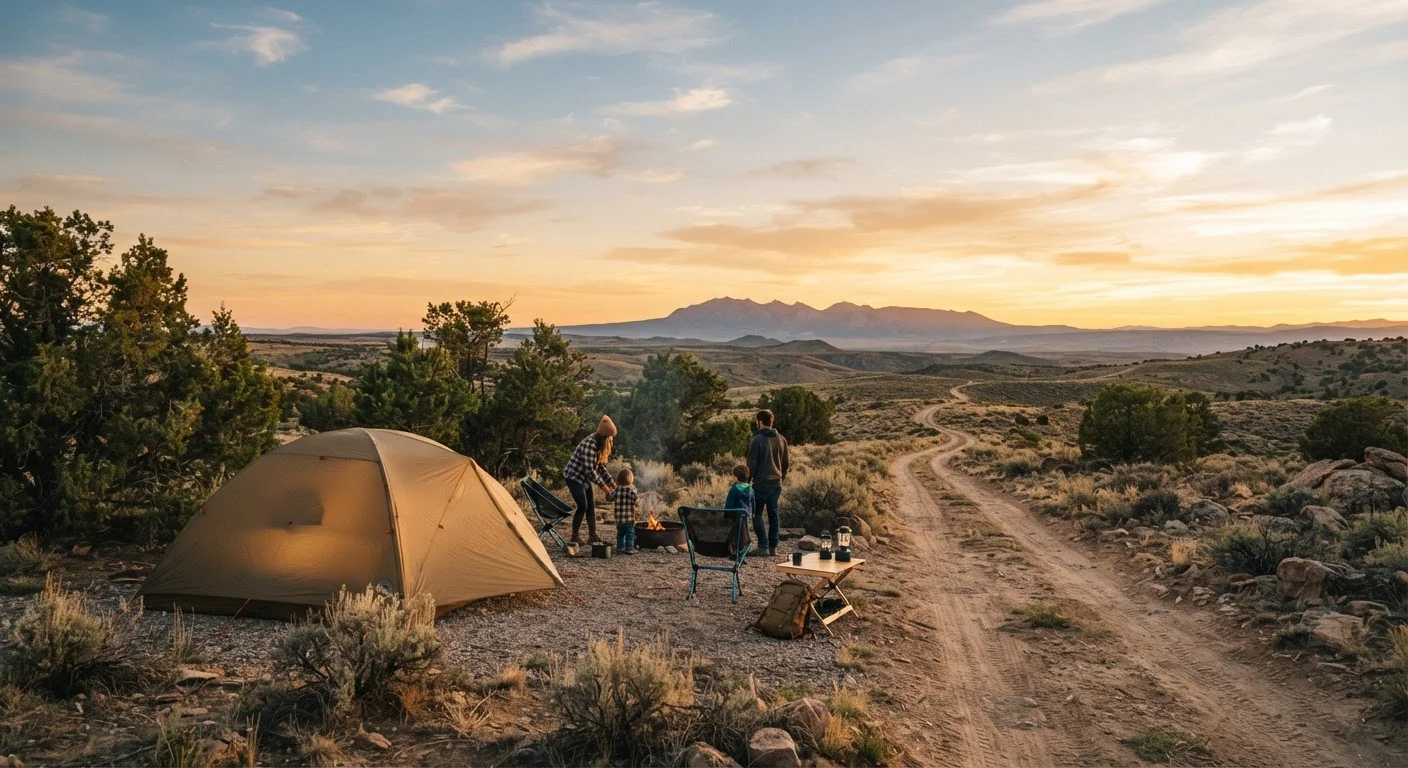
What Each Environment Actually Offers
Before you book anything, it helps to understand what you're actually signing up for - because the gap between a mountain weekend and a coastal one is wider than most people expect.
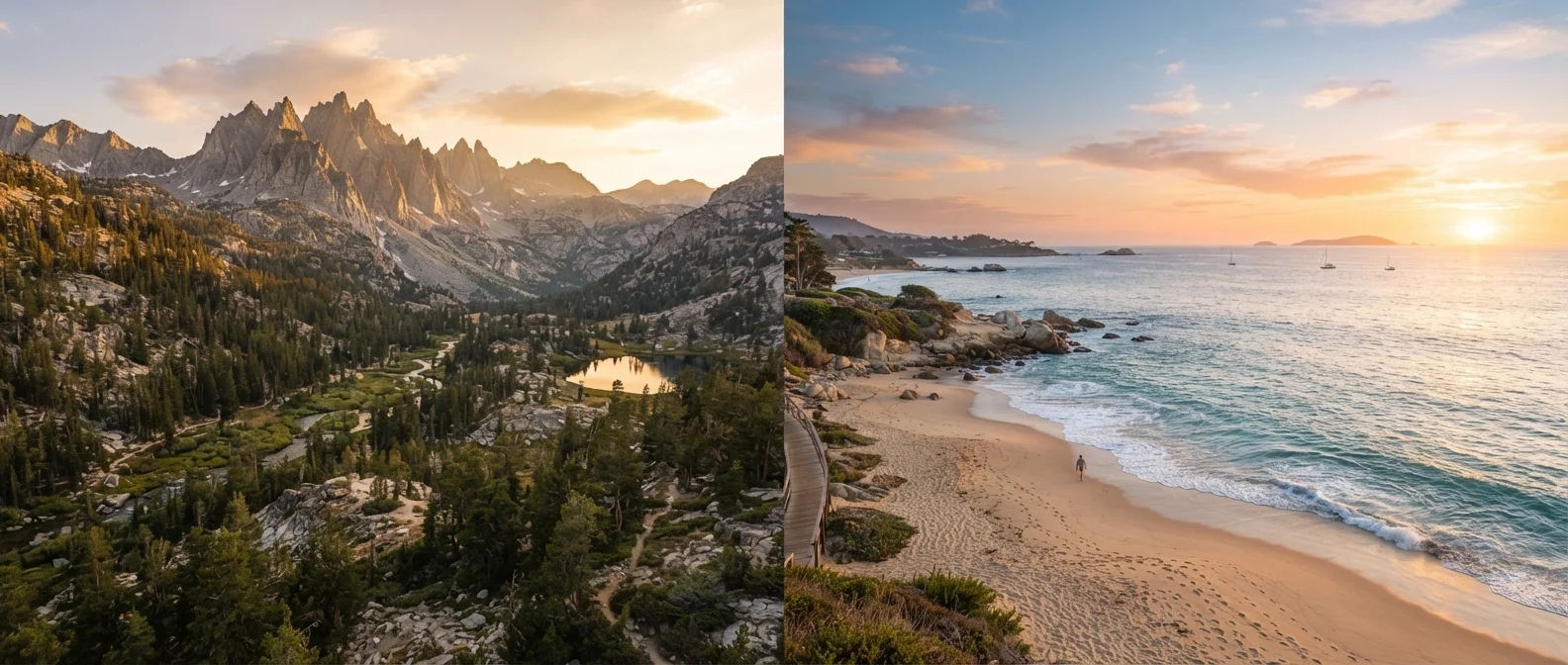
Mountain retreats lean into elevation, forest density, and dramatic terrain. You're looking at crisp mornings, afternoon thunderstorms in some regions, and a nighttime sky that reminds you stars actually exist. Activities trend physical: hiking, mountain biking, fishing in cold-water streams, or simply sitting on a porch with a coffee while mist rolls through the pines. Cell service? Often spotty at best.
Coastal getaways deliver sensory variety. Salt air, the rhythm of waves, warm sand, and usually a small beach town nearby with restaurants and casual shopping. The pace feels inherently looser. You can kayak in the morning, nap by noon, and walk a pier at dusk. Connectivity is generally better, which matters for families juggling check-ins at home.
| Criterion | Mountain Retreats | Coastal Getaways |
|---|---|---|
| Typical temperature range | Cooler, with significant night drop | Warmer, more consistent humidity |
| Activity variety | Hiking, fishing, wildlife viewing | Swimming, kayaking, beachcombing |
| Crowd levels (peak season) | Moderate, trail-dependent | High, especially weekends |
| Connectivity | Often limited or spotty | Generally reliable |
| Ideal traveler mood | Overstimulated, needs quiet | Low energy, needs warmth and fun |
| Accommodation style | Cabins, campgrounds, lodges | Vacation rentals, inns, motels |
| Family friendliness | Good for older kids and teens | Excellent for all ages |
| Budget potential | Strong in shoulder and off-peak seasons | Variable; spikes sharply in summer |
How Mood and Energy Level Should Drive Your Decision
This is where the real decision happens. Not every weekend calls for the same type of escape - and choosing the wrong environment for your current mental state can leave you more drained than when you left.
If you're arriving to a weekend with a fried, overstimulated brain - long work weeks, too many screens, decision fatigue - mountain settings tend to perform better as genuine resets. The lack of ambient noise, the physical effort of a trail, and the visual simplicity of a forest or ridgeline help quiet mental chatter in ways that a busy boardwalk simply can't.
On the flip side, if you're feeling isolated, low-energy, or in need of lightness and fun, the coast wins. The social texture of a beach town, the ease of floating in warm water, and the natural mood lift of sunlight on the water tend to re-energize rather than just quiet you down.
87%
Americans prefer drive-to weekend trips
According to AAA travel research, the vast majority of American leisure travelers choose destinations within driving distance for short weekend getaways.
2-3 hrs
Sweet spot drive time for weekend trips
Travel planning research generally identifies a two-to-three-hour drive as the threshold where weekend trips remain practical without sacrificing meaningful time at the destination.
40%
Lower off-peak coastal accommodation rates
Coastal lodging prices in popular US beach destinations frequently drop by roughly 30-40% outside of summer peak season, based on general vacation rental market patterns.
Seasonal timing matters too. Mountain destinations in the Northeast and Rockies shine in fall foliage and early summer before peak crowds. Coastal spots in the Southeast and Mid-Atlantic often have their most pleasant weather in late spring and early fall, when families aren't all competing for the same stretch of sand.
Planning a Weekend That Actually Fits Your Schedule
Weekend getaways live or die on logistics. A four-hour drive each way eats into a two-night trip more than most people account for upfront.
For mountain escapes, proximity is key. The Appalachians, Ozarks, Blue Ridge, and Rockies all have weekend-friendly access points within a few hours of major metro areas. Look for lodging in smaller gateway towns rather than resort hubs - you'll typically find more availability and lower nightly rates, especially in shoulder seasons. Arrive Friday evening and plan your biggest activity for Saturday morning when energy is highest.
For coastal getaways, drive-to beaches within two to three hours tend to deliver the best value-to-effort ratio. Tack on a Friday evening departure if traffic allows, and build in flexibility for weather - ocean-adjacent plans need a backup for rainy days that mountain trips (where rain is often part of the experience) don't require as rigidly.
Whichever direction you go, packing intentionally for the environment makes a measurable difference. Mountains demand layers even in summer. Coasts require sun protection and easy footwear for sand-to-pavement transitions. Overpacking for either slows you down on the very weekend you're trying to move lighter.