What Actually Changes in the Off-Season
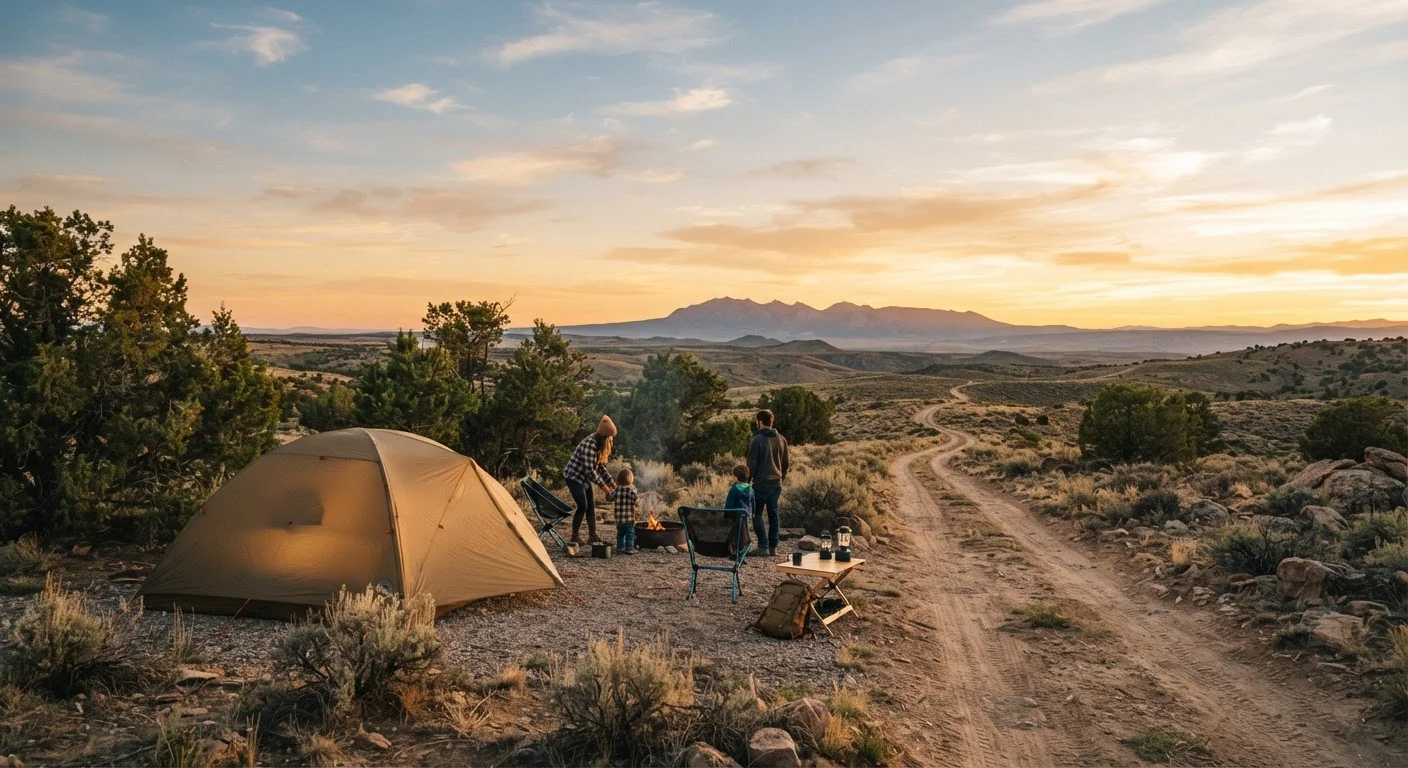
The most consistent change is crowd volume. Destinations that feel overwhelming in peak season - coastal towns, national park gateway villages, popular hiking corridors - often become genuinely pleasant with a fraction of the visitors. Parking opens up. Trailheads feel peaceful. Restaurants seat you without a wait.
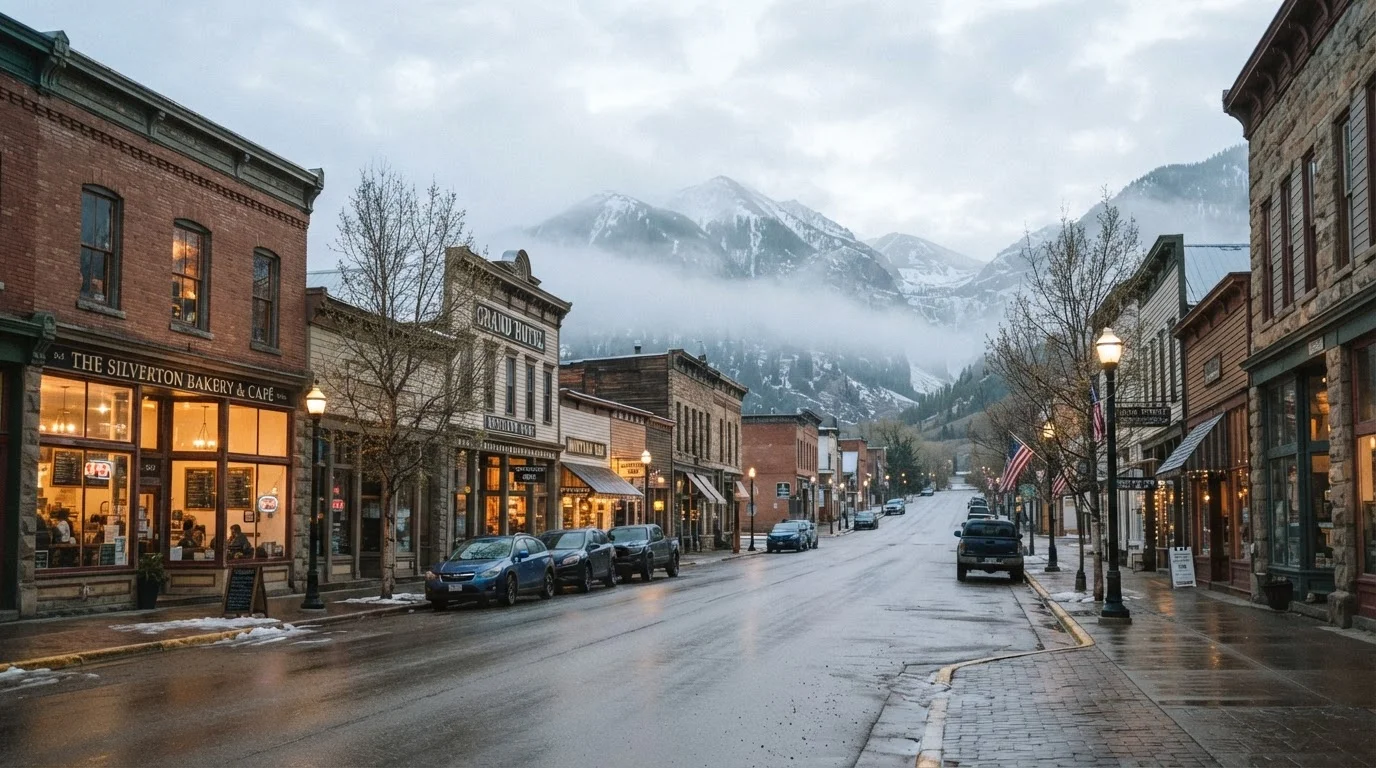
What's less consistent is everything else. Business hours shrink or disappear. Seasonal attractions - boat tours, certain museum exhibits, outdoor adventure outfitters - may operate on reduced schedules or close entirely. Roads into mountain areas can be gated, and some campgrounds don't reopen until late spring.
Off-Season Varies by Destination Type
A beach town's off-season is winter; a ski resort's off-season is summer; a fall foliage corridor is quiet in spring. Never assume the standard definition applies - look at visitation patterns specific to your destination to identify its actual slow period.
The broader point: off-season doesn't mean a quieter version of the same experience. It can mean a genuinely different experience - which is sometimes better, sometimes limiting, depending on your expectations.
What Stays Reliably the Same
The landscape doesn't change. The reason you wanted to visit - a stretch of coastline, a historic district, a particular mountain view - is almost always still there. In many cases, experiencing it with far fewer people around is the draw in itself.
Core infrastructure - gas stations, grocery stores, urgent care facilities in most mid-sized towns - generally stays operational year-round. Major highways remain passable except in severe weather events. Most state and national parks keep their gates open, even when services thin out.
30-50%
Typical visitor volume drop at popular parks in off-season
National Park Service visitation data consistently shows significant attendance drops at most parks between November and March compared to summer peak months.
1 in 3
Seasonal businesses that reduce off-season hours significantly
Travel industry surveys suggest a substantial share of tourism-dependent small businesses in peak-season destinations operate on reduced or suspended schedules in the off-season.
The destination's fundamental character also holds. A town with a strong arts community in July still has galleries open in November. A working waterfront doesn't pack up just because tourist season ends. What you lose is the programmed, packaged version of the place - what you gain is something closer to how residents actually experience it.
Planning Smarter for an Off-Season Weekend
Flexibility is your most important asset. Build your weekend around two or three anchor activities and leave room for pivots. If the hiking trail you planned is snowpacked or the ferry isn't running, you want alternatives ready.
Confirm Access Before You Commit
Before booking a non-refundable stay, verify operating status directly with the attraction, park, or outfitter - not just through third-party listing sites. Official websites and a quick phone call are the most reliable sources for current off-season hours and access conditions.
Call ahead - not just to check hours, but to ask whether the experience you're expecting is actually available. A quick phone call to a park visitor center or local outfitter can save a four-hour round trip.
Weather windows in shoulder and off-seasons are real but narrow. In mountainous or coastal regions especially, conditions can shift dramatically within a single weekend. Booking refundable or flexible accommodations where possible gives you room to adapt without a financial penalty.
Finally, resist the assumption that off-season automatically means lower costs. Some destination categories - ski towns in summer, beach towns in winter - see genuine rate drops. Others maintain pricing year-round or reduce options so much that the remaining inventory actually costs more. Research specific properties and dates, not general assumptions.