The Slow Leak on Your Fuel Budget
Most drivers notice when fuel costs spike dramatically - but the gradual creep is harder to catch. A vehicle losing five or ten percent of its fuel efficiency over months rarely triggers alarm. The culprits are rarely dramatic: they're the roof rack you forgot to remove after a camping trip, the slow tyre leak you keep meaning to top off, the air conditioning running at full blast through a two-mile school run.
Understanding what's working against your fuel economy doesn't require specialist knowledge. It requires knowing where to look. The list below covers the most common and consistently overlooked drains - grounded in how vehicles actually use fuel, not marketing claims. For a broader look at how these habits compound over time, see fuel-saving habits worth building early.
Under-Inflated Tyres
Tyres lose pressure naturally over time - roughly 1 PSI per month under normal conditions, and faster in cold weather. When a tyre runs below its recommended pressure, its contact patch with the road increases, creating more rolling resistance. The engine has to work harder to move the vehicle the same distance.
The U.S. Department of Energy has noted that keeping tyres properly inflated can improve fuel economy by around 0.5-3% depending on how underinflated they are. That may sound modest, but it compounds across every mile you drive. Check pressure monthly and before long trips - your vehicle's recommended PSI is on the sticker inside the driver's door jamb, not on the tyre sidewall.
Tyres lose pressure naturally every month - and under-inflation quietly raises rolling resistance.
Roof Racks and Cargo Carriers Left On
A roof rack fundamentally changes the aerodynamic profile of your vehicle. Even when empty, a crossbar-style roof rack can reduce fuel economy by a few percent at highway speeds due to increased drag. A large cargo box on top can cut efficiency by 10-25% at highway speeds, according to data from the U.S. Department of Energy's fuel economy research.
If you use a roof rack seasonally - for bikes, skis, or camping gear - removing it when not in use is one of the higher-return adjustments you can make. It takes around 15 minutes and has a measurable impact on every highway mile until the next trip. See also how aerodynamic drag fits into the broader picture in the city vs. highway fuel consumption breakdown.
An empty roof rack still creates drag - removing it between uses has a real, measurable payoff.
Overusing Air Conditioning
Air conditioning places a direct mechanical load on your engine. The compressor draws power from the engine's output, and in smaller or older vehicles this is noticeable. At low speeds - city driving, school runs, short errands - the impact is proportionally larger because the engine is producing less power overall.
At highway speeds, running the A/C is generally more efficient than opening windows, which creates aerodynamic drag. But in stop-and-go conditions, using ventilation mode, parking in shade, or briefly opening windows to vent heat before engaging the A/C reduces the load meaningfully. The habit of switching the A/C to full blast the moment you start the engine, particularly on short trips, is one of the easier ones to moderate.
In city driving, air conditioning's load on the engine has a proportionally larger fuel cost.
Carrying Unnecessary Weight
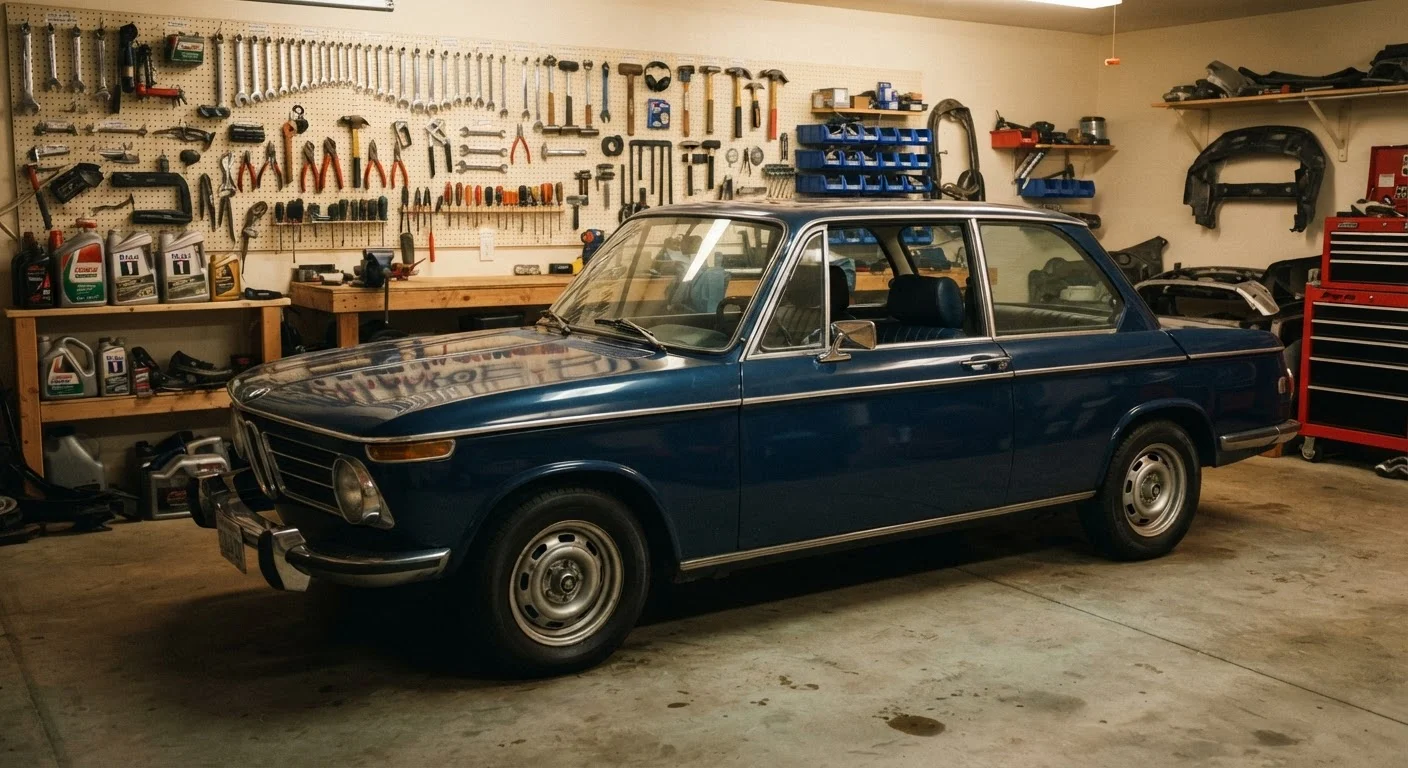
Every additional 100 pounds of weight in a vehicle reduces fuel economy by roughly 1%, according to U.S. Department of Energy estimates - and the effect is more pronounced in smaller vehicles. Many drivers accumulate a surprising amount of weight over time: tools, sports equipment, bags of items waiting to be donated, sand from last winter still in the trunk.
A trunk audit every few months is a practical habit. Identify what you genuinely need on hand versus what's riding along by default. Heavy items stored low and forward in the cargo area have less effect on handling than weight placed high or in the rear - but removing unnecessary weight entirely is the simplest solution. Where car owners overspend without realising it covers related habits that quietly add to ownership costs.
Every 100 pounds of excess weight costs roughly 1% in fuel economy - trunk clutter adds up.
Neglected Air Filters and Spark Plugs
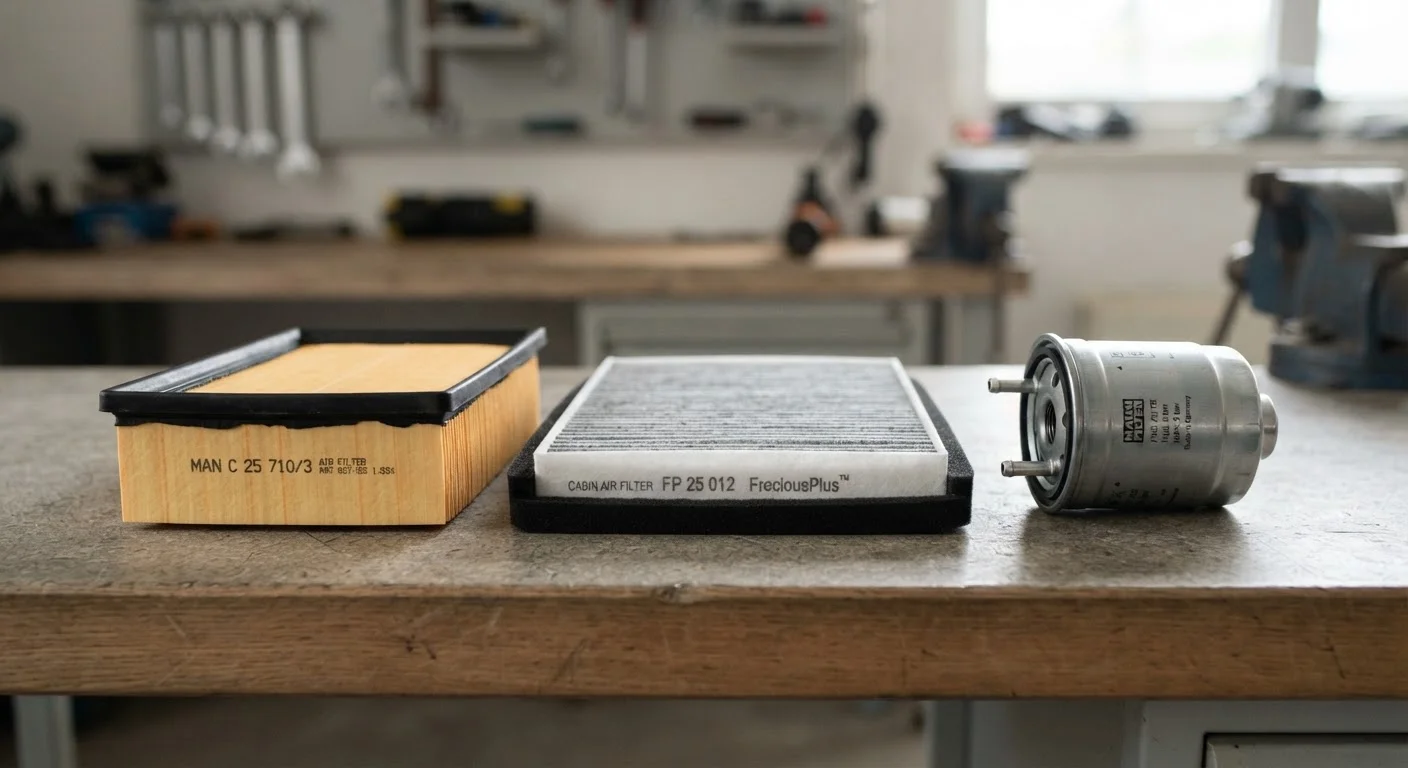
A clogged engine air filter restricts airflow into the combustion chamber, forcing the engine to compensate. On older fuel-injected vehicles, this doesn't necessarily spike fuel consumption the way it did on carbureted engines, but it can still affect engine performance and emissions. On vehicles with mass airflow sensors, a dirty filter can cause the engine management system to run a richer fuel mixture than needed.
Worn spark plugs cause misfires - incomplete combustion that wastes fuel directly. A spark plug that's past its service interval may fire inconsistently, meaning a portion of each combustion cycle doesn't generate usable power. Both items have manufacturer-recommended replacement intervals listed in your owner's manual and are typically straightforward jobs for a qualified mechanic during a routine service.
Worn spark plugs cause misfires - wasted combustion that burns fuel without producing power.
Frequent Short Cold-Start Trips
A cold engine runs a richer fuel mixture - more fuel relative to air - until it reaches operating temperature. In modern fuel-injected vehicles this warm-up period is shorter than in older cars, but for trips under two miles it may never fully complete. The result is higher fuel consumption per mile for the entire journey.
Combining short errands into a single trip, or sequencing them so the engine stays warm between stops, reduces the number of cold-start cycles in a week. Route planning plays a meaningful role here - the route planning as a fuel-saving strategy article covers how combining stops and choosing efficient sequences pays off over time.
Short cold-start trips mean the engine never reaches efficient operating temperature - every mile costs more.
Aggressive Acceleration and Late Braking
Rapid acceleration burns significantly more fuel than gradual acceleration to the same speed. Fuel economy typically peaks in the 45-60 mph range for most passenger vehicles, and aggressive driving - hard acceleration followed by hard braking - negates the efficiency gains of highway driving even on open roads.
Anticipating traffic ahead and coasting to slow down rather than braking hard keeps momentum working for you. This driving style, sometimes called eco-driving or hypermiling at its more extreme end, has a well-documented effect on fuel consumption. The complete guide to smarter, more efficient motoring covers the full range of driving habits that compound into meaningful fuel savings.
Anticipating traffic and coasting to slow down rather than braking keeps momentum - and fuel - working for you.
Putting It Together Before Every Trip
Several of these efficiency drains are easy to address before you even start the engine. Tyre pressure, excess cargo, and removed roof hardware take minutes to check or correct. Others - like deferred maintenance - require scheduling time with a qualified mechanic, but paying attention early almost always costs less than ignoring the problem.
Start With the Quickest Wins
Tyre pressure, removing unused roof hardware, and clearing trunk weight are all zero-cost corrections that take under 20 minutes combined. Addressing these three items first gives you a baseline before tackling maintenance-related items. A tyre pressure gauge is an inexpensive tool worth keeping in the glovebox.
For a structured approach, the pre-journey efficiency checklist covers the core items worth reviewing before longer trips. And if you're curious whether some of your existing fuel-saving habits are actually working, fuel efficiency myths drivers still believe is worth a read - some widely followed advice turns out to be inaccurate. Small corrections, consistently applied, are where real fuel savings come from.
This article provides general vehicle information for educational purposes. Specific fuel economy figures vary by vehicle make, model, driving conditions, and maintenance history. Consult a qualified mechanic for advice specific to your vehicle.