
Why Grout Myths Are So Persistent
Grout is one of those materials homeowners interact with constantly but rarely think about until something goes wrong. That gap between familiarity and understanding is fertile ground for misconceptions. Some myths are passed down from well-meaning contractors who were simply repeating outdated guidance. Others originate from product marketing that overstates maintenance needs. The result: homeowners spend time and money on work that isn't necessary, or skip maintenance that actually matters.
This article sorts through the most common grout myths and replaces them with what the evidence actually shows. If you enjoy debunking home-related misconceptions, you may also find value in our piece on garden myths that quietly damage plants - the same pattern of well-intentioned but flawed advice shows up there too.
Myth
Grout needs to be sealed every year to stay protected.
Fact
Most cement-based grout only needs resealing every 3 to 5 years, depending on traffic and exposure to moisture.
Annual sealing is rarely necessary and can actually cause product buildup that attracts grime. The right interval depends on the grout type and location. A simple test tells you when it's time: place a few drops of water on the grout line. If the water beads up, the seal is still intact. If it absorbs quickly, resealing is warranted. High-traffic, wet areas like shower floors may need attention sooner than a kitchen backsplash.
Myth
If grout changes color, it's permanently stained and must be replaced.
Fact
Discoloration is almost always the result of dirt, soap residue, or mildew - all of which respond well to proper cleaning.
Grout's porous surface does trap particles, but that doesn't mean the color change is irreversible. A targeted cleaner formulated for grout - applied with a stiff-bristle brush - removes most discoloration without any demolition. For mildew in wet areas, a diluted oxygen bleach solution (not chlorine bleach) is often effective. Replacement should be a last resort, not a first response to a color shift.
Myth
Bleach is the safest and most effective grout cleaner.
Fact
Chlorine bleach can degrade grout sealers and the grout itself over time, especially with repeated use.
Bleach is effective at killing surface mildew, but it is also corrosive to the cementitious binders in grout when used repeatedly. It can strip sealers, lighten colored grout unevenly, and leave the surface more vulnerable to future staining. pH-neutral tile cleaners or oxygen-based cleaners are gentler on grout while still handling biological growth. Reserve bleach for occasional spot treatment rather than routine cleaning.
Myth
Epoxy grout is always better than cement-based grout.
Fact
Epoxy grout is highly durable and stain-resistant, but it is difficult to install correctly and is unnecessary for most residential applications.
Epoxy grout excels in commercial kitchens, laboratories, and other demanding environments where chemical resistance and near-zero porosity are critical. For a typical bathroom or kitchen floor, cement-based grout - properly sealed - performs well and is far more forgiving to work with. Epoxy grout sets quickly, requires precise mixing, and is much harder to clean off tile faces during installation. Choosing it for a standard home project often creates more problems than it solves.
Myth
Cracked grout means there's a serious structural problem.
Fact
Most grout cracks are caused by normal thermal expansion and contraction, not structural movement.
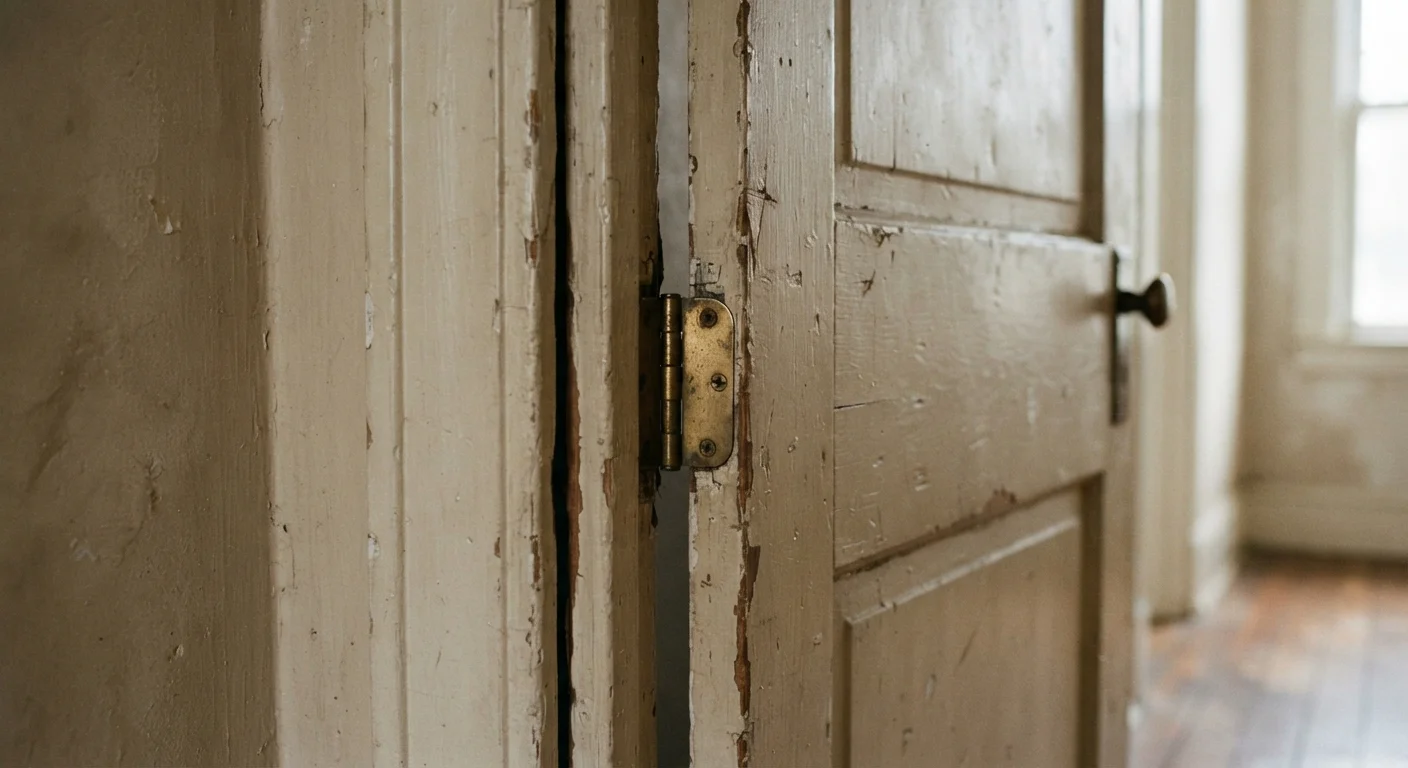
Tiles and the substrate beneath them expand and contract with temperature changes. When the grout - which is rigid - can't accommodate that movement, it cracks. This is especially common at corners and where walls meet floors. These cracks are typically cosmetic or minor, and the fix is to remove the cracked grout and replace it with a flexible caulk in matching color, which can absorb movement. Structural settlement cracks are usually wider, diagonal, and accompanied by other signs like sticking doors or wall cracks - very different from the hairline fractures thermal movement produces.
Myth
You should grout as soon as the tile adhesive is dry to the touch.
Fact
Tile adhesive needs adequate cure time - typically 24 hours minimum, often longer - before grouting begins.
Rushing to grout before the adhesive has fully cured can cause tiles to shift, adhesive to release, or moisture to become trapped beneath the surface. The adhesive packaging will specify a cure time, and that guidance should be followed rather than estimated by feel. In humid environments or with large-format tiles, longer wait times are often advisable. Patience at this stage prevents a much more costly repair later.
What Good Grout Maintenance Actually Looks Like
Once the myths are cleared away, a practical grout maintenance routine is straightforward and inexpensive. For most tiled surfaces in a typical home, the core tasks are: clean regularly with a pH-neutral cleaner, re-seal cement-based grout every few years (check with a water droplet - if it absorbs rather than beads, it's time), and address cracks promptly before water gets behind the tile.
Don't Use Vinegar as a Regular Grout Cleaner
Vinegar is acidic and, while popular as a 'natural' cleaner, it can etch cement-based grout and strip sealers with repeated use. The same concern applies to many DIY acidic cleaning solutions. Stick to pH-neutral cleaners for routine maintenance and save stronger treatments for stubborn stains only.
Grout is not a set-and-forget material, but it is far more forgiving than many homeowners are led to believe. The expensive mistakes usually come from over-maintaining based on myths, or from ignoring a small crack until it becomes a water damage problem. Getting the balance right is mostly a matter of knowing what you're actually working with. Just as budget myths lead people to focus on the wrong expenses, grout myths lead homeowners to spend effort in the wrong places. A little accurate knowledge goes a long way.