Why a Checklist Makes Your Vet Visit More Effective
The average wellness appointment lasts 20 to 30 minutes. That's enough time for a thorough physical exam - but it can evaporate fast if you're trying to remember everything on the spot. Going in with a structured approach ensures you cover what matters most and leave with clear next steps rather than lingering questions.
Veterinary visits also carry costs, so making each one count is worthwhile. Think of it the way you might approach a yearly financial or home review: a little preparation upfront prevents bigger problems later. (If you manage annual maintenance checklists for other areas of life, the same logic applies - see the annual ownership audit approach for comparison.)
The checklist below covers what to bring, what to confirm during the exam, and which questions are worth raising with your vet. Use it as a working document - print it out, check items off, and add your own notes.
Stool sample container
Carries a fresh fecal sample for intestinal parasite screening at the appointment.
Vaccination record
Documents your dog's immunization history so the vet can identify what's due and avoid duplicate doses.
Written question list
Helps you stay organized during the appointment so no concerns are forgotten in the moment.
Medication and supplement log
Gives the vet a complete picture of everything your dog is currently taking, supporting safe care decisions.
Your dog's current food label or feeding notes
Allows the vet to evaluate ingredient quality, caloric content, and whether the diet suits your dog's current needs.
Using the Checklist: What Each Section Covers
The checklist is organized into five groups, each addressing a distinct part of the annual visit process. Here's what to expect in each category and why it matters.
Preparation
The items you handle before you walk in the door have an outsized impact on how useful the appointment is. A stool sample, a medication list, and a written record of any changes you've noticed give your vet immediate, useful context. Observations about your dog's habits - drinking more water, sleeping more, favoring one leg - are the kinds of details that can steer a diagnosis.
Vaccinations and Parasite Prevention
Core vaccines follow a defined schedule; non-core vaccines depend on your dog's environment and lifestyle. Your vet will guide the specific timing, but knowing what's due and what's optional helps you participate in the conversation. Heartworm and parasite prevention are year-round commitments for most American dog owners, and the annual visit is a natural time to reassess the protocol.
Physical Examination
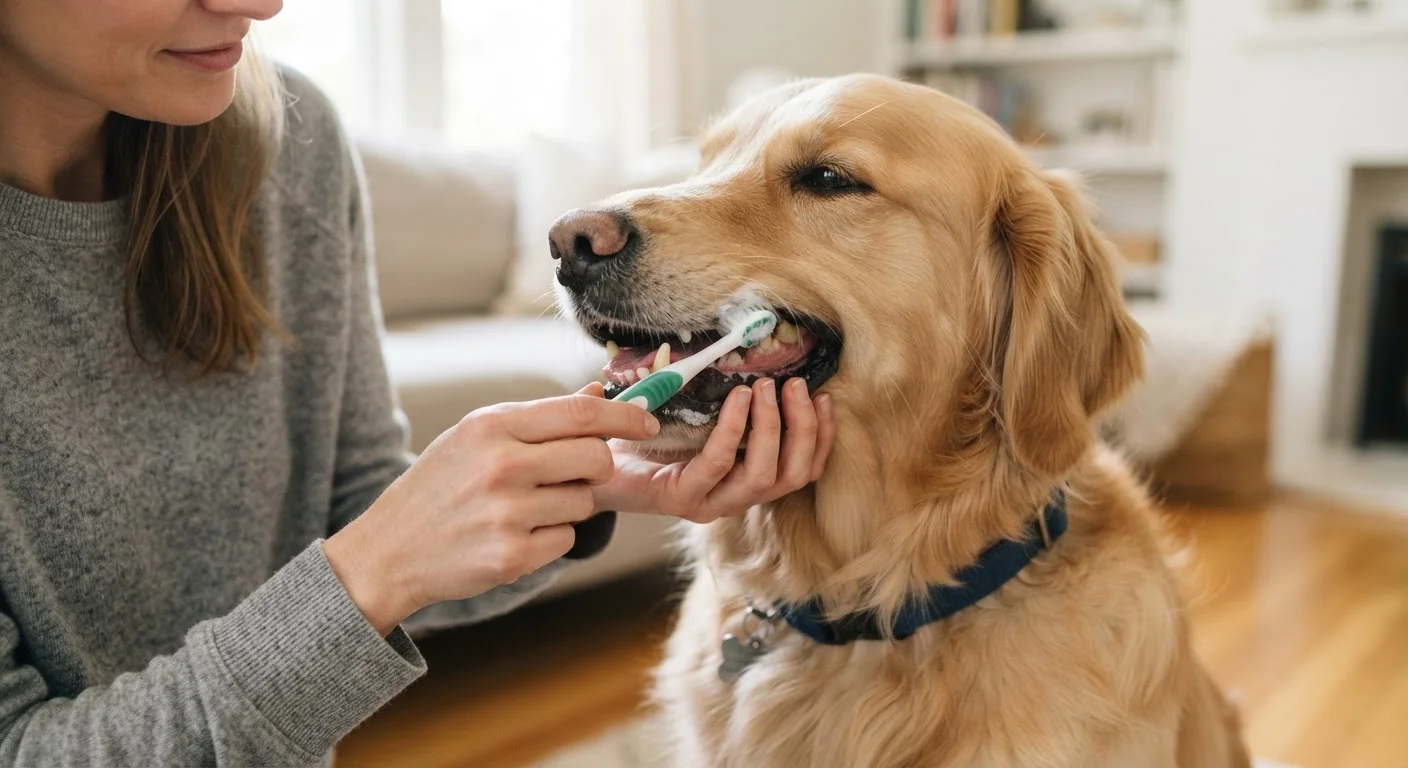
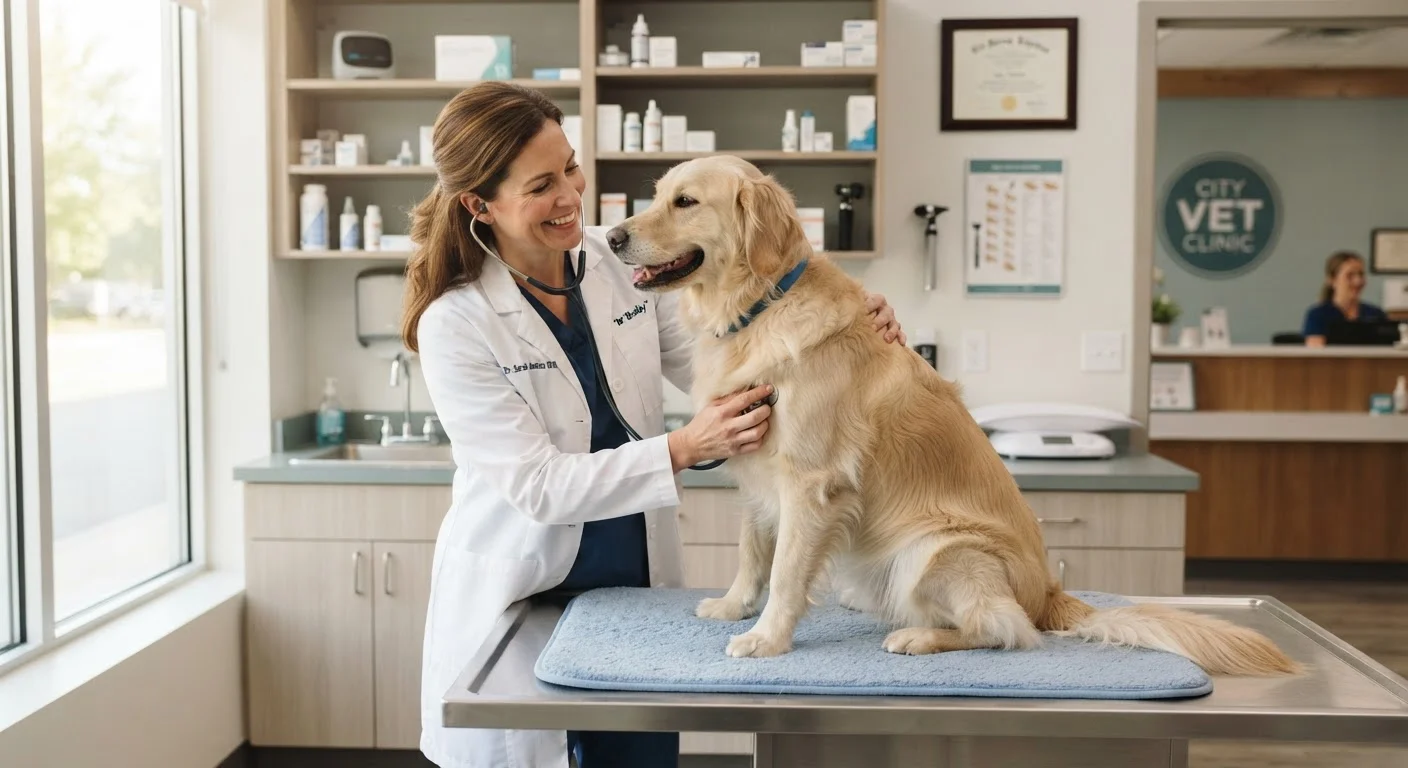
The hands-on exam is the centerpiece of any wellness visit. Pay particular attention to dental findings - periodontal disease is common in adult dogs and often progresses silently. For a deeper look at what's typically missed, see our guide on dog dental health.
This Content Is General Information, Not Veterinary Advice
The guidance in this checklist is intended to help you prepare for and get more from your dog's wellness appointment - it is not a substitute for professional veterinary evaluation. Always consult your licensed veterinarian for decisions about your individual dog's health, vaccinations, medications, and care plan.
Questions Worth Asking
If your dog is approaching or past seven years old, this is the section to lean into. Older dogs have different monitoring needs - more frequent bloodwork, closer attention to joint function, and possibly a shift to biannual checkups. The senior dog care guide covers what to expect as your dog ages and how to adapt your routine accordingly.
Don't Wait for Symptoms to Book a Visit
Annual wellness exams are designed to catch problems before obvious symptoms appear. Bloodwork, weight trends, and dental checks can reveal early-stage conditions that are far easier to manage when detected promptly. Skipping a year - especially as your dog ages - can mean missing a window for early intervention.
Senior Dogs May Need More Frequent Exams
Dogs over age seven are generally considered seniors, though this varies by breed and size. Many veterinarians recommend twice-yearly checkups for older dogs because age-related conditions can progress quickly. Talk to your vet about the right schedule for your individual dog.
Before You Go: Preparation
Vaccinations and Preventives
Physical Examination Points
Nutrition, Weight, and Lifestyle
Questions Worth Asking
This article is for general informational purposes only and is not a substitute for professional veterinary advice, diagnosis, or treatment. Always consult your veterinarian for guidance specific to your dog's health needs.