How Each Approach Actually Works
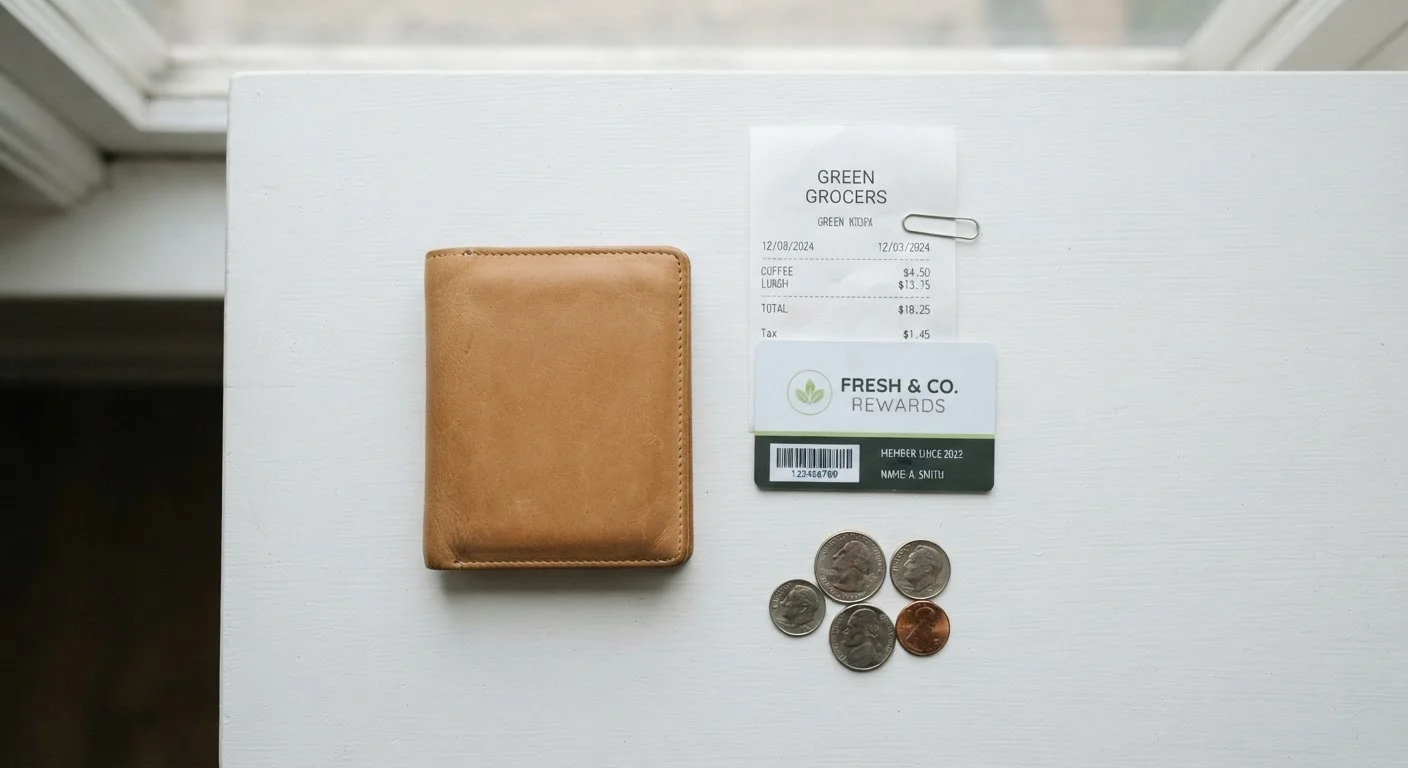
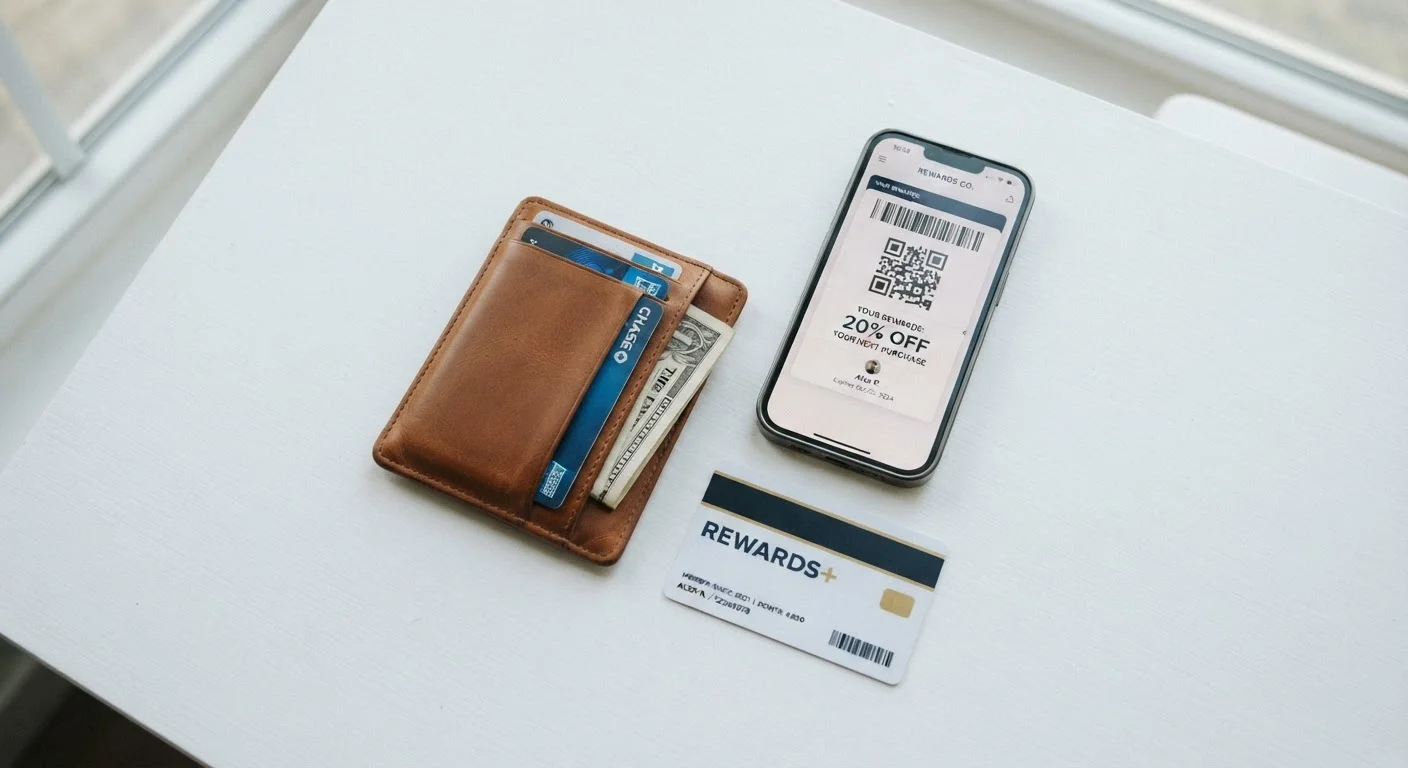
Loyalty programmes are structured reward systems where a retailer credits your account - usually with points, tiers, or cashback - each time you make a qualifying purchase. Over time, those credits convert to discounts, free products, or exclusive access. The value is deferred: you spend now and benefit later, provided you stay engaged with the programme long enough to redeem anything meaningful.
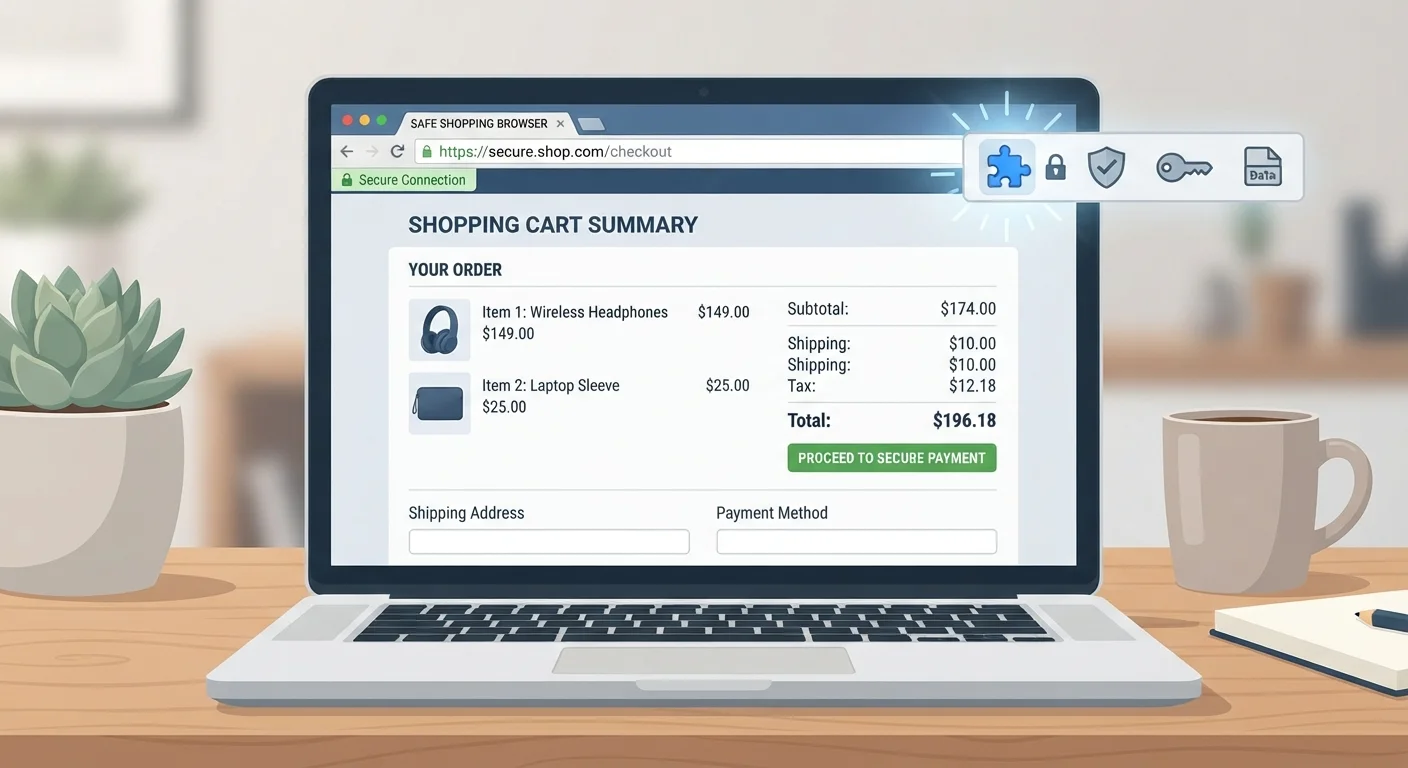
One-off discount codes work differently. You apply a code at checkout - sourced from a newsletter, a browser extension, or a promotional campaign - and the discount is immediate and certain. There's no account required, no points balance to track, and no threshold to reach. The trade-off is that codes are often time-limited, category-specific, or require a minimum spend.
Understanding this structural difference matters because the two approaches serve different shopping behaviors. For a deeper look at how similar reward mechanisms compare, see how cashback, rebates, and reward points differ.
| Criterion | Loyalty Programmes | One-Off Discount Codes |
|---|---|---|
| When savings are realized | Deferred - after points accumulate | Immediate - at checkout |
| Account or sign-up required | Yes - typically mandatory | No - usually anonymous |
| Best shopping frequency | Frequent, repeat purchases | One-time or occasional purchases |
| Works across multiple retailers | No - retailer-specific | Yes - wherever a valid code exists |
| Risk of overspending | Higher - threshold chasing | Moderate - impulse purchase risk |
| Data sharing with retailer | High - full purchase history tracked | Low - minimal to none |
| Reliability of savings | Variable - depends on redemption | Certain - if code is valid |
| Online and in-store use | Usually both channels | Often channel-specific |
The Hidden Costs of Each Strategy
Loyalty programmes carry a behavioral risk that's easy to underestimate: they can incentivize purchases you wouldn't otherwise make. Earning double points during a promotional window or needing just one more purchase to reach a reward tier can push spending beyond what's actually planned. If the extra spending exceeds the reward value, the programme has cost you money rather than saved it.
Discount codes carry their own friction. Searching for valid codes takes time, and many listed codes are expired or retailer-restricted. Some codes are tied to new-customer-only terms, making them inaccessible to returning buyers. There's also the psychological pull of a code prompting a purchase of something that wasn't on your list in the first place - a spending trigger dressed as a saving.
~50%
Loyalty points that go unredeemed
Research from loyalty analytics firms has consistently found that roughly half of accumulated loyalty points are never redeemed, meaning a significant share of 'earned' value is never received.
31%
Shoppers who made an unplanned purchase due to a discount code
Consumer behavior surveys have found that around three in ten shoppers report making an unplanned purchase after finding a promotional code, illustrating the spending-trigger effect.
The question to ask with either approach: Would I have made this purchase at full price without the incentive? If the answer is no, the discount or reward isn't saving you money - it's redirecting spending. The real value of loyalty programs and points depends heavily on whether you'd shop there regardless.
When Combining Both Makes Sense
Retailers don't always allow discount codes to stack on top of loyalty rewards, but many do - particularly for members who receive exclusive promo codes as part of programme benefits. Before assuming they're mutually exclusive, check the terms at checkout. A loyalty member using a valid code on a purchase can earn points and pay a reduced price simultaneously.
This is where understanding discount stacking becomes practical. When stacking is permitted, the combined saving often outperforms either approach alone. When it's not, prioritize whichever delivers more value on that specific transaction - typically the code if it's a large one-time purchase, or the loyalty programme if you're making smaller recurring purchases.
Your overall shopping pattern matters here too. If you tend to concentrate purchases at a few retailers, loyalty makes sense as a baseline with codes layered on top opportunistically. If your spending is spread thin across many stores, codes will likely outperform the fractured loyalty balances you'd otherwise accumulate. See also when brand loyalty actually costs you more for related thinking on concentration vs. diversification in your shopping habits.
Making the Right Call for Your Situation
The practical decision comes down to three questions: How often do you shop at this retailer? How much control do you want over when and how you save? And how much personal data are you comfortable exchanging for benefits?
For homeowners making regular purchases at hardware, home goods, or grocery retailers, loyalty programmes can genuinely compound - especially those with tiered rewards or bonus categories relevant to home improvement spending. For one-off appliance purchases, renovation supplies, or seasonal items, a valid discount code is almost always the more efficient tool.
The Smart Buying hub covers more on evaluating value before committing to any purchase strategy. And if you're looking at deal-finding approaches across different retail environments, online vs. in-store deal hunting strategies outlines where each method tends to work best.
Neither loyalty programmes nor discount codes are automatically the smarter choice. The one that pays off more is the one aligned with how you actually shop - not how a retailer hopes you'll shop.