How Reward Programs Are Structured
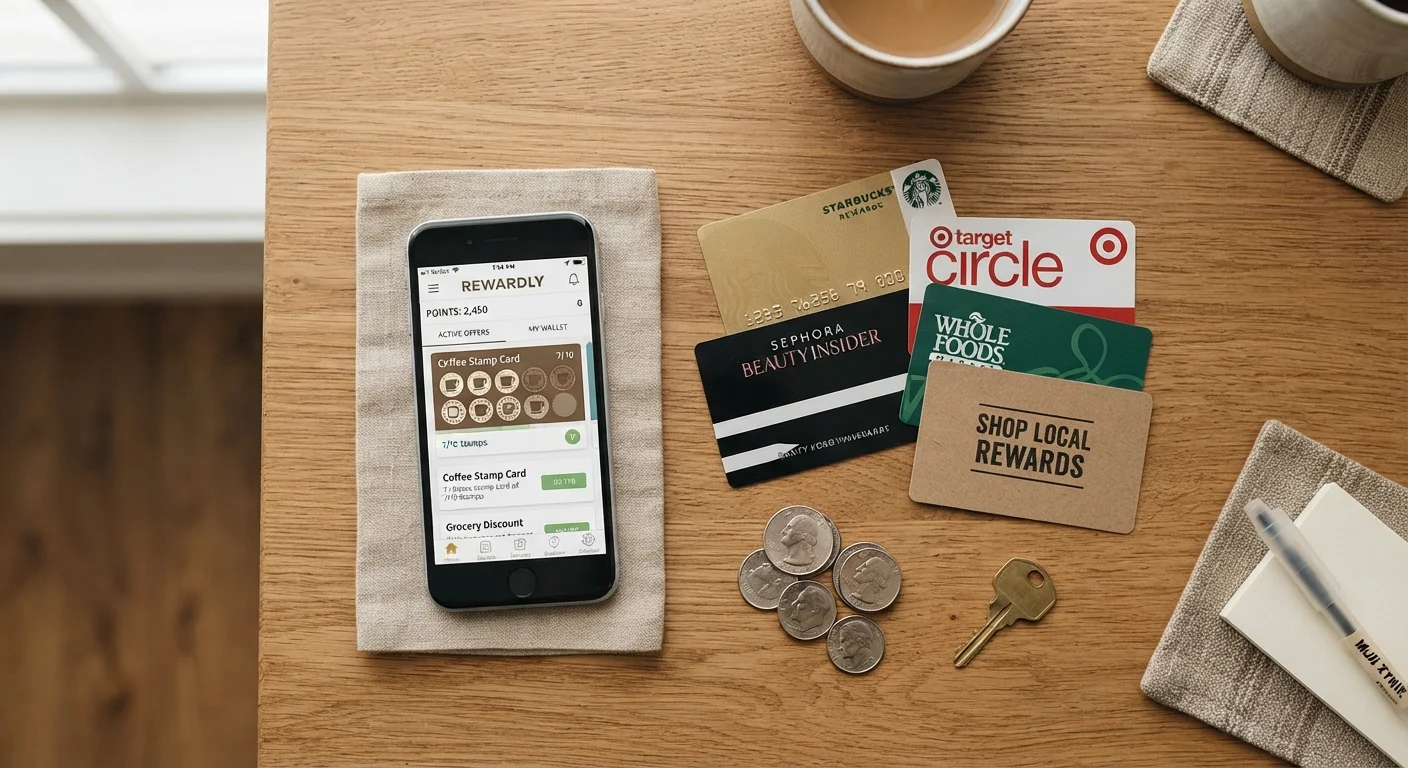
Most reward programs fall into one of three categories: cashback, points-based loyalty systems, and tiered membership programs. Each works differently, and the distinction matters when you're trying to calculate real-world value. Before diving into tactics, it helps to understand what each type actually delivers. See our overview of cashback, rebates, and reward points for a detailed breakdown of the mechanics.
| Typical cashback return rate | 1%-5% of spend (Varies by program, card, and spending category) |
| Common points value range | 0.5¢-2¢ per point (Redemption category determines actual value) |
| Key factor in program value | Effective return rate, not headline earn rate |
| Main behavioral risk | Incremental overspending to earn or maintain rewards |
| Points expiration | Varies widely - from 12 months to never (Check individual program terms) |
Cashback programs return a percentage of what you spend as cash, statement credit, or a deposit - making them the most transparent of the three. What you see is generally what you get, though expiration dates, minimum redemption thresholds, and category caps can reduce the actual return.
Points-based programs assign a point value to each dollar spent, then require you to exchange points for rewards. The problem: points are rarely pegged to a fixed cash equivalent. A point might be worth half a cent in one redemption category and two cents in another. This variability is deliberate - it makes it harder to know whether you're getting a good deal.
Tiered loyalty programs layer status levels on top of either of the above. Higher tiers unlock better earn rates, perks, or exclusive pricing. The catch is that reaching higher tiers typically requires significant spend, which can subtly push members to buy more than they intended just to maintain status.
Calculating What Your Rewards Are Really Worth
The most important number in any rewards program is your effective return rate - what percentage of your total spending you actually recover as usable value. For cashback programs, this is usually straightforward. For points programs, you need to do the conversion math yourself.
Effective return rate
The actual percentage of your spending you recover as usable value from a rewards program, accounting for redemption rates, fees, and restrictions. It is the most honest way to compare programs.
Cashback
A reward structure that returns a fixed percentage of spending as cash, statement credit, or deposit. Generally the most transparent reward type because the value is not subject to conversion formulas.
Points valuation
The dollar (or cent) value assigned to a single loyalty point at the time of redemption. This figure varies by redemption category and determines whether a points program is actually competitive with cashback.
Tiered membership
A loyalty program structure that unlocks progressively better rewards as cumulative spending crosses defined thresholds. Higher tiers offer better earn rates or perks, but maintaining status may require spending above your natural level.
Redemption threshold
The minimum points or cashback balance required before a member can access their rewards. High thresholds increase the likelihood that rewards expire or are forgotten before use.
Status spend
Purchasing decisions made primarily to maintain or reach a loyalty tier, rather than out of genuine need. This is a common way reward programs cause members to overspend relative to their real savings.
A simple formula: Effective return rate = (Point value at redemption × Points earned per dollar) × 100. If a program gives you 2 points per dollar and each point redeems at $0.005, your effective return is 1% - reasonable but unremarkable. If the only high-value redemption requires booking through a specific portal at an inflated baseline price, that headline rate can shrink considerably.
Watch for redemption traps: gift cards that offer fewer cents-per-point than travel, merchandise catalogs where the "retail value" listed is higher than the actual market price, and expiring points that lapse before you accumulate enough to use. These structural features exist to reduce the program's payout - not to help you.
For a broader look at how fees and terms can quietly reduce the value of deals, see how hidden costs erode savings.
When Loyalty Programs Work Against You
A program that incentivizes you to spend more than you otherwise would is a net cost, not a benefit. This is the most common way reward schemes reduce financial outcomes for participants - not through fine print, but through behavioral influence.
Programs Are Designed to Drive Spending
Loyalty programs are a marketing investment, not a consumer benefit program. Retailers and card issuers fund rewards through margins, interchange fees, or behavioral changes they expect to recoup. Understanding this doesn't make programs worthless - but it does mean the math should always work in your favor before you participate. If you're spending more to earn more, pause and recalculate.
Retailers design loyalty programs primarily to increase visit frequency and average transaction size. That's a legitimate business goal, but it means your interest and the program's design are not always aligned. Consolidating purchases to earn status, choosing a higher-priced option to hit a bonus threshold, or paying an annual fee expecting to "earn it back" all represent spending decisions made for rewards rather than need.
The practical question to ask before joining or maintaining any program is: would my purchasing behavior change if this program didn't exist? If yes, the program may be costing more than it returns. If your spending patterns stay flat and you're simply earning on purchases you'd make anyway, the rewards are genuinely additive.
Also consider how a loyalty program interacts with other savings methods. Stacking cashback with coupons or promotional pricing can amplify returns - but only when the underlying purchase decision was already sound. And if you're comparing long-term program membership to opportunistic discount codes, the tradeoffs between loyalty schemes and one-off codes depend heavily on how consistently you shop a given retailer.
Tools that track prices over time can help you verify whether loyalty pricing is genuinely competitive. See how price tracking tools work and when they help for a realistic assessment.