The Budget Gap Most Buyers Don't See Coming
Most car buyers do the math on their monthly payment, check insurance quotes, and call it a day. What they rarely account for is the long tail of recurring costs that follow a vehicle purchase for years. These aren't rare or unpredictable expenses - they're structural, and they're almost universal. Yet they get left out of budgets constantly.
Research from AAA has consistently found that the average annual cost of owning and operating a vehicle runs well above what most buyers expect when they focus only on loan payments and fuel. The gap between what buyers anticipate and what they actually spend can stretch into the thousands of dollars annually. For homeowners already managing mortgage payments, utilities, and maintenance costs, that shortfall is worth closing before signing anything. See our full breakdown of annual vehicle costs for context on where the biggest spending categories fall.
Below are the hidden costs most commonly overlooked - and what to realistically plan for.
Annual Registration and Title Fees
Every state charges annual registration fees, and the variance is wide. In some states fees are flat and modest; in others, they're calculated on vehicle value or weight and can exceed $500 for a newer or heavier vehicle. Title transfer fees, personalized plate charges, and emissions inspection fees stack on top. These are non-negotiable and recurring - yet they routinely get left out of first-year budget projections entirely.
Annual registration fees can exceed $500 depending on your state and vehicle value.
Depreciation as a Real Cash Cost
Depreciation is the single largest cost of ownership for most drivers, but because no invoice arrives for it, buyers treat it as abstract. A new vehicle typically loses a significant portion of its value in the first few years. That loss is realized when you sell or trade in - and it directly affects how much equity you'll have. Buyers financing a new vehicle with a small down payment may owe more than the car is worth within the first year or two, a situation commonly called being "underwater" on a loan. Understanding depreciation curves by vehicle type can meaningfully affect which vehicle makes financial sense to purchase.
Depreciation is the largest ownership cost most buyers never see on a bill.
Loan Interest Over the Full Term
A car loan's monthly payment is not the same as the car's cost. On a $30,000 loan at a common mid-range interest rate spread over 60 months, total interest paid can add several thousand dollars to the final price. Extending the term to lower monthly payments increases total interest paid substantially. Buyers focused on monthly affordability often end up paying significantly more for the vehicle than they realize - and that gap rarely appears in the initial budget discussion.
Extending a loan term to lower payments can add thousands in total interest paid.
Gap Insurance and Deductible Exposure
Standard auto insurance pays out the current market value of a vehicle if it's totaled - not the amount owed on the loan. If you're underwater on a loan, that gap becomes your problem. Gap insurance covers the difference, but it's an added cost that many buyers don't factor in upfront. Similarly, carrying a low deductible to feel protected has a premium cost, while choosing a higher deductible to save on premiums creates out-of-pocket exposure each time a claim is filed. Both scenarios affect your real cost basis in ways the sticker price doesn't reflect.
If you owe more than the car is worth, gap insurance covers the difference - at an added cost.
Tolls, Parking, and Urban Access Fees
Depending on your commute and city, tolls and parking can quietly run $100-$300 or more per month. Electronic tolling systems mean charges accumulate without friction, making them easy to underestimate. Monthly garage fees in dense urban areas are often fixed costs that rival car payments. Some cities have introduced or expanded congestion pricing zones, creating new recurring costs for drivers who enter certain areas during peak hours. These are geography-specific but predictable - worth researching before buying in or relocating to a new area.
Tolls and parking can add $100-$300 or more monthly depending on your commute and city.
Roadside Assistance and Emergency Coverage
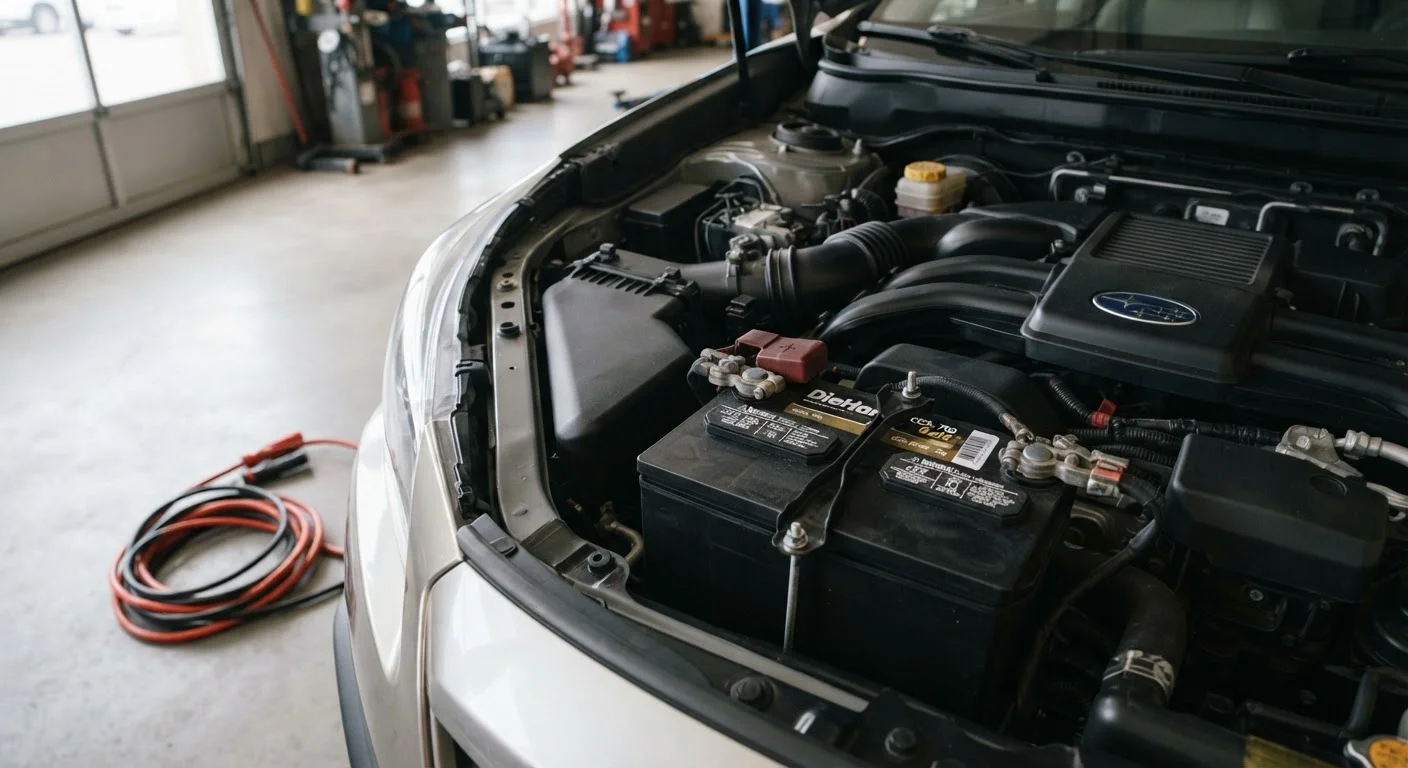
Many buyers assume their auto insurance or a manufacturer warranty covers roadside assistance. Coverage varies widely and often doesn't include towing beyond a limited distance, lockout service, or battery replacement. Standalone roadside plans are available through various membership organizations and insurers, but they carry annual fees. Going without coverage creates unpredictable out-of-pocket costs when a breakdown occurs - and breakdowns don't schedule themselves around convenient moments.
Roadside assistance coverage varies widely - verify what's included before assuming you're covered.
Scheduled Maintenance Between Major Services
Oil changes, tire rotations, cabin air filter replacements, wiper blades, brake fluid flushes - these smaller maintenance items happen on a regular schedule and cost money even when nothing is broken. Depending on driving habits and vehicle type, routine maintenance between major services can run $400-$800 annually for many drivers. Staying current on maintenance prevents larger repair bills down the road, but the cumulative cost of doing it right still needs to be in the budget from day one.
Routine maintenance costs $400-$800 annually even when nothing is noticeably broken.
Build the Full Picture Before You Commit
None of these costs are secrets - they're just easy to skip when attention is locked on the purchase price. The fix is straightforward: build a complete monthly ownership estimate that accounts for registration, tolls, parking patterns, roadside coverage, depreciation curves, and loan interest before signing. Run it alongside your housing costs to see what you can genuinely absorb.
Build a Monthly Ownership Ledger
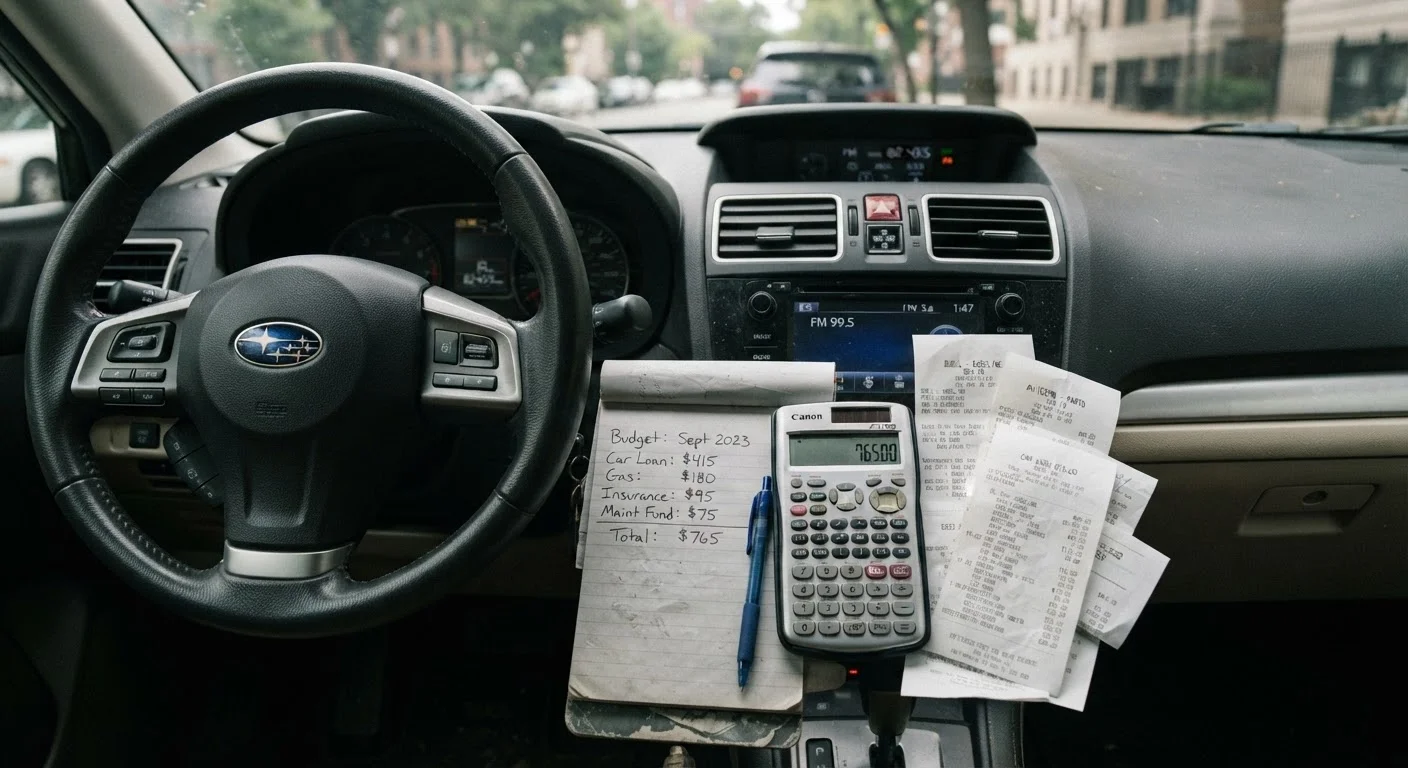
List every recurring cost - loan payment, insurance, registration amortized monthly, tolls, parking, and a maintenance reserve - before finalizing a vehicle purchase decision. A simple spreadsheet works well. This gives you a realistic monthly number to compare against your actual take-home income rather than anchoring on the payment alone.
If you're buying your first vehicle independently, a structured budget template can help you map every cost category from the start. And if you've already noticed your spending creeping upward, common overspending patterns may explain why.
This article is for general informational purposes only and does not constitute financial or legal advice. Costs vary by location, vehicle type, and individual circumstances. Consult a qualified financial professional for guidance specific to your situation.