Why Road Trip Myths Cost Families Real Money
Road trips have an appealing reputation for being the budget-friendly vacation option - and they genuinely can be. But a handful of stubborn assumptions lead families to make spending decisions that quietly inflate the final bill. The myths below aren't obscure edge cases; they're the everyday beliefs that shape how families pack, route, and plan. Getting them right is less about sacrifice and more about swapping guesswork for a clearer picture of where the money actually goes. For a full look at every expense category to expect, see the real cost of a family road trip.
Myth
National parks are basically free to visit - you just drive in and explore.
Fact
Most national parks charge per-vehicle entry fees, and costs can stack up across a multi-park itinerary.
Single-vehicle entry at popular parks often runs $20-$35 per visit. For a family hitting three or four parks on one trip, those fees alone can exceed $100. The America the Beautiful Annual Pass - a federally issued interagency pass - covers entry to most federal lands for a flat annual fee and is often the smarter choice for families doing a multi-park road trip. Check the official National Park Service website for current pricing before you go, as fees can change. State parks are another option: they're frequently less crowded and less expensive. See our comparison of national vs. state parks for budget road trips for a fuller breakdown.
Myth
Packing snacks and a cooler doesn't really save that much - it's not worth the hassle.
Fact
Food and drink purchased at highway stops and fast-food restaurants is one of the fastest-growing expenses on a family road trip.
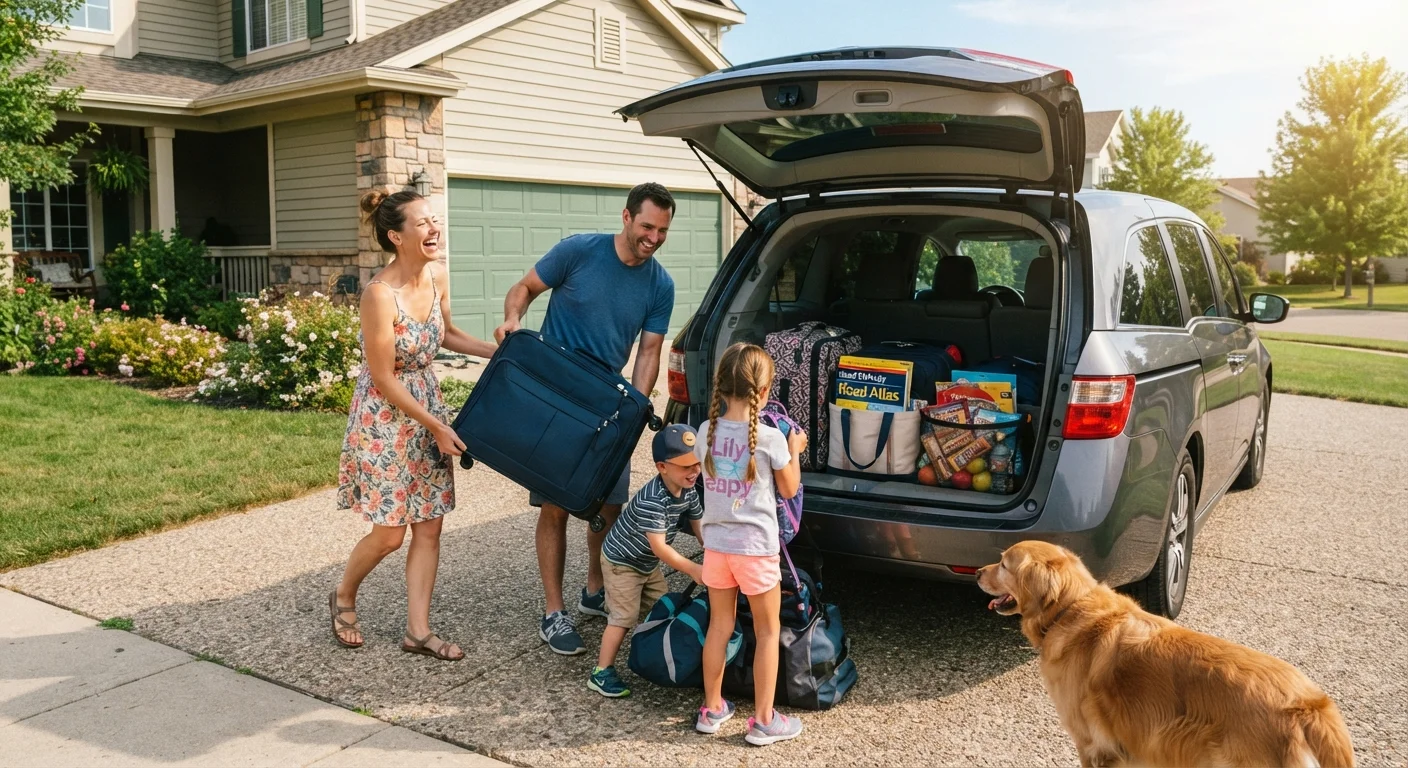
A family of four stopping for fast food twice a day can spend $80-$120 daily on meals alone - and that's before gas station snacks and drinks. Packing a well-organized cooler with sandwiches, fruit, drinks, and easy snacks can cut that figure dramatically across a multi-day trip. The key is planning meals in advance rather than packing randomly. Our guide to packing a road trip cooler walks through exactly how to stock one so it stays cold and practical.
Myth
Gas is basically the same price everywhere, so there's no point tracking it.
Fact
Gas prices vary by state, region, and even by highway versus off-highway stations - sometimes by 30-50 cents per gallon.
States have different fuel taxes, and stations near interstate on-ramps often charge a premium over stations a few blocks off the highway. On a long trip with a larger vehicle, those differences compound. Free apps that aggregate crowdsourced gas prices can help drivers make informed stops without significant detours. Understanding your vehicle's real-world fuel economy - not just the EPA estimate - also helps set realistic fuel budgets. Our explainer on road trip vehicle practicality covers fuel economy in real-world driving conditions.
Myth
Driving through the night saves money because you skip a hotel.
Fact
Overnight driving creates serious safety risks and often generates unexpected costs that offset any lodging savings.
Beyond the well-documented danger of fatigued driving, overnight trips can mean arriving too early for check-in at your next stop, paying for an extra night anyway, or needing to pay for a rest-stop meal at odd hours. Sleep deprivation also impairs judgment for the following day's driving. If you're trying to reduce lodging costs, comparing camping versus budget motels is a safer and often more effective strategy.
[important_callout]
Myth
Camping is always cheaper than staying in a motel - no question.
Fact
Camping costs depend heavily on gear investment, campsite fees, and location - and don't always undercut budget motel rates.
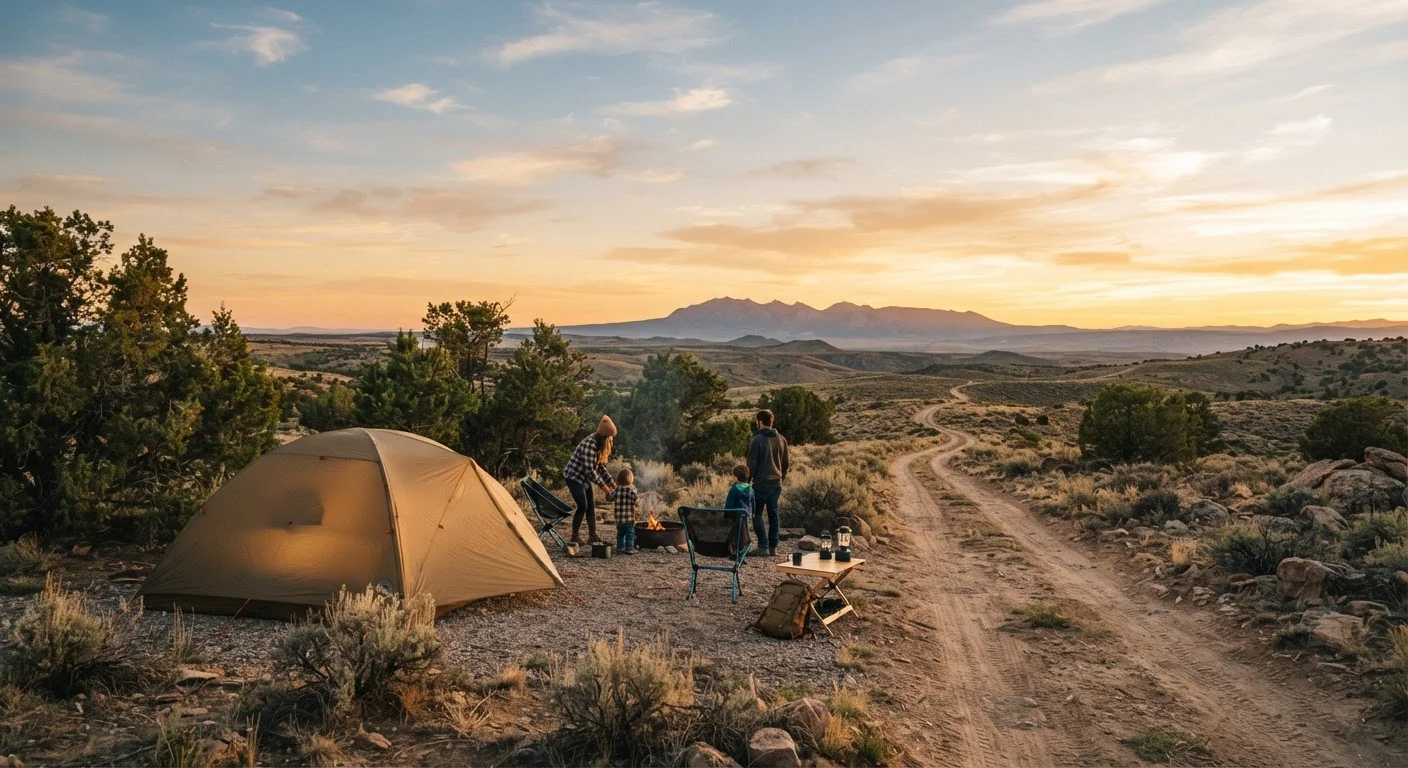
A developed campsite at a popular national or state park can run $25-$50 per night, sometimes more during peak season. Factor in the cost of gear for families who don't already own tents, sleeping pads, and a camp stove, and the math shifts further. That said, free and low-cost dispersed camping on Bureau of Land Management (BLM) land is genuinely inexpensive and widely available across the western US. See our overview of free and low-cost campgrounds for options families can realistically use.
Myth
A loose, spontaneous road trip is cheaper because you avoid booking fees.
Fact
Unplanned trips frequently cost more due to last-minute pricing, poor route decisions, and reactive spending.
Showing up without a rough plan means paying whatever rate is available - often higher than rates booked even a few days in advance. It also means less control over where you stop for gas, food, or lodging. A light planning framework - knowing your nightly lodging zones, mapping fuel stops, and having a meal strategy - doesn't remove the fun of spontaneity but does prevent budget blowouts. Our first-time family road trip planning guide offers a practical starting framework without overcomplicating it.
Building Smarter Habits Before You Leave the Driveway
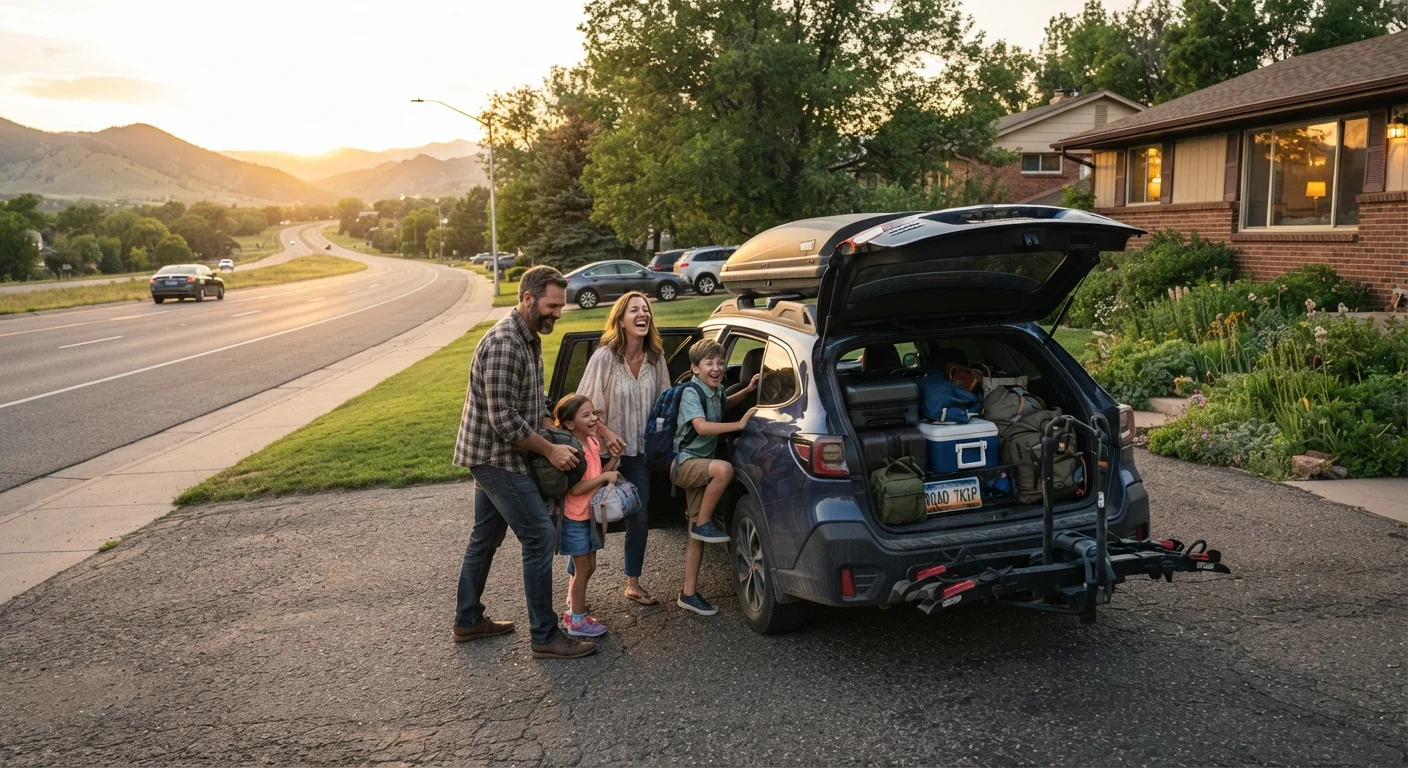
Correcting these myths is a starting point, not a finish line. The families who consistently stay on budget tend to treat their road trip like a household project: a quick review of expected costs by category, a rough daily spending cap, and a few non-negotiables (like a stocked cooler and a confirmed first night's lodging). None of that takes the spontaneity out of the trip. It just prevents the kind of reactive spending that adds $200-$400 to a trip that didn't need to cost that much.
$80-$120
Daily fast-food spend for a family of four
Estimated based on average quick-service restaurant pricing for two adults and two children across two meal stops per day.
$35
Typical national park per-vehicle entry fee
Per the National Park Service fee schedule; fees vary by park and are subject to change - verify current rates before your trip.
30-50¢
Per-gallon price variation along highway routes
Gas prices near interstate on-ramps often run higher than stations a short distance off the highway, based on general pricing patterns observed across US fuel markets.
If you find these habits useful, road trip money habits that work across any budget goes deeper on the practices that hold up trip after trip. And for families still in the early planning stage, hidden costs that inflate weekend getaway budgets is worth a read before you set a total trip budget.