
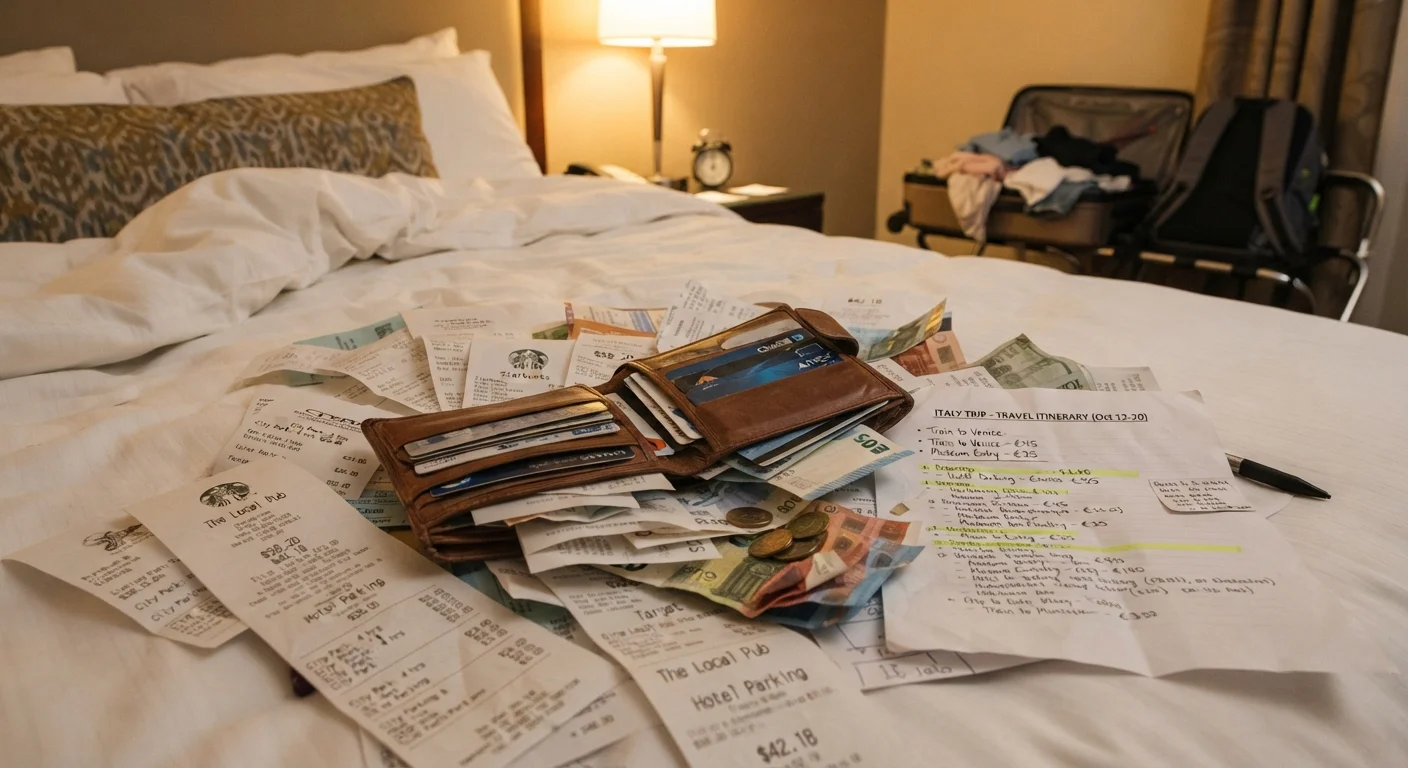
The Gap Between What You Budget and What You Actually Spend
You found a hotel for $120 a night, mapped out a scenic route, and set a comfortable daily spending limit. Then the weekend ends and your card statement tells a completely different story. Sound familiar? Hidden travel costs are one of the most reliable ways a reasonable budget quietly collapses - not through one big splurge, but through a dozen small charges nobody warned you about.
This isn't just a travel nuisance. It's the same pattern that shows up across consumer spending - the costs that quietly erase savings rarely announce themselves upfront. Knowing where they tend to hide in a weekend getaway gives you a real shot at staying on track. Here are the most common culprits.
Mandatory Resort and Destination Fees
This is the most widely documented hidden cost in travel lodging. A hotel lists a room at $110 per night but charges a mandatory "resort fee" or "destination fee" - sometimes $30 to $50 per night - that only appears at checkout. These fees often cover amenities like pool access or Wi-Fi that guests assume are already included.
Before booking any hotel, scroll past the nightly rate to see the total due at checkout. Many booking platforms now surface these fees during search, but not all do consistently. Calling the property directly or checking their FAQ page is the most reliable way to get the real number.
Resort fees can add $30-$50 per night to a rate that looked affordable at first glance.
Parking at Hotels, Attractions, and City Destinations
If you're driving to a city destination or a popular beach or mountain town, parking costs can add up fast. Urban hotels routinely charge $25 to $60 per night for on-site parking. Attractions and national parks often charge entry fees per vehicle on top of any activity costs. Street parking in resort areas can carry steep hourly rates with limited evening availability.
Research public parking garages or lots near your accommodation in advance. In many cities, garages a few blocks from the main hotel district charge significantly less than hotel valet. The same principle that applies to overlooked car ownership costs - parking and tolls - shows up on vacation too.
Urban hotel parking can cost nearly as much per night as a budget motel room in a smaller town.
Dining Markups in Tourist Zones
Restaurants in high-traffic tourist areas - boardwalks, resort strips, theme park perimeters - routinely charge significantly more than comparable establishments a few blocks away. An entrée that might cost $14 at a neighborhood spot can run $22 to $26 at a waterfront tourist restaurant, with smaller portions and slower service to match.
A practical workaround: use a map app to search for restaurants in residential neighborhoods adjacent to the tourist zone, or ask hotel staff where locals eat. Even one meal per day at a less tourist-facing spot can meaningfully reduce food spend over a two- or three-night trip.
Shifting just one meal per day away from the tourist strip can noticeably reduce overall trip costs.
Attraction and Activity Entry Fees
A day at a popular attraction - an aquarium, a theme park, a state or national park, a historic site - often carries an entry fee that wasn't factored into the original trip plan. These fees can range from a modest per-person charge to well over $100 per family for major theme parks or popular ticketed experiences.
Check every planned activity for entry costs before you go, including any timed-entry reservation fees that have become common at high-demand sites. Some parks and museums offer free or reduced-price days - that information is typically on their official websites and worth checking before you assume the visit is free.
Attraction fees for a family of four can rival or exceed an entire night of accommodation.
In-Trip Transportation and Convenience Costs
Rideshares, airport shuttles, toll roads, and bike or scooter rentals at the destination are easy to overlook when planning a budget. If you're flying in, ground transportation at both ends of your trip - plus any rideshares during the stay - can add $80 to $150 or more to a short trip's total cost.
Map out how you'll get around at the destination before you leave. Some destinations have solid public transit that's far more economical than rideshare. Others are sprawling enough that a rental car makes more financial sense than paying per ride. Either way, leaving that piece unplanned is one of the more reliable ways to overspend.
Ground transportation and tolls are among the easiest line items to forget - and among the quickest to accumulate.
Minibar, Room Service, and In-Room Convenience Charges
A bottle of water from the hotel minibar. A snack from the in-room menu at 10 p.m. A streaming rental through the room TV. These micro-transactions feel minor in the moment but appear on the final bill in ways that cause real surprise. Hotels can charge two to four times the retail rate for items in the minibar or gift shop.
A simple countermeasure: stop at a grocery store on the way to the hotel and pick up snacks, beverages, and anything else you might reach for in the evening. This is a classic travel hack that requires almost no effort and reliably saves money across a multi-night stay.
A single evening of minibar and in-room snacking can add $30 or more to a hotel bill.
How to Pressure-Test Your Trip Budget Before You Leave
The single most effective move is building a line-item pre-trip checklist. Before finalizing any booking, look up: the full hotel rate at checkout (not the advertised nightly rate), parking costs at your destination, estimated fuel or transit costs, attraction entry fees for every planned activity, and a realistic per-meal estimate rather than a best-case one. That exercise almost always surfaces a few items that weren't in the original mental math.
Build a Full-Cost Estimate Before You Book
Before confirming any reservation, add up accommodation (full checkout price, not nightly rate), parking, attraction fees, estimated meals, and transportation. Compare that total to your actual budget rather than the advertised headline price. This takes about 20 minutes and almost always reveals at least one cost that wasn't in the original plan.
For families already working on household spending discipline, the same mindset applies here - the home budgeting strategies that help you track recurring costs at home translate directly to travel planning. And if you're road-tripping, check our rundown of road trip myths that lead families to overspend before you hit the highway.
This article is for general informational purposes only. Prices, fees, and policies vary by destination and change frequently - always verify costs directly with hotels, attractions, and local operators before traveling.