Why National Parks Work So Well for Kids
There's something about scale that stops children mid-sentence. A geyser erupting on schedule, a canyon dropping a mile to the Colorado River, a herd of bison crossing a two-lane road - these are moments that no screen can replicate. America's national parks deliver sensory experiences that genuinely captivate young minds, and the National Park Service has invested heavily in making those experiences accessible to families of all ages and abilities.
Beyond the wow factor, parks offer structured learning in an unstructured setting. Kids can touch geology, observe wildlife behavior, and ask rangers questions that don't have easy answers. For families feeling overwhelmed by too many vacation choices, national parks provide a reliable framework: clear trails, visitor centers, ranger programs, and defined entry points that make planning manageable. See our full overview of national park visits for context on crowds, permits, and timing before you commit to a specific park.
Top Park Picks for Younger Children
Not every park suits a five-year-old, and that's okay. The key is matching terrain to developmental stage. Here are categories that consistently deliver for the under-eight crowd:
- Yellowstone National Park (WY/MT/ID): Boardwalk loops around thermal features like Old Faithful and Grand Prismatic Spring are stroller-friendly and genuinely spectacular. Short distances, dramatic payoffs.
- Great Smoky Mountains National Park (TN/NC): Zero entry fee, gentle waterfall trails, and abundant wildlife sightings - black bears, deer, and fireflies in season - make this a perennial family favorite.
- Acadia National Park (ME): The carriage roads are flat, well-maintained, and ideal for bike rides with young children. Thunder Hole tide pools keep kids busy for hours.
- Olympic National Park (WA): Three distinct ecosystems - rainforest, coast, and mountain - mean even a short visit feels like three trips in one. Hoh Rain Forest's moss-draped trees read as genuinely magical to young children.
For families combining parks with a longer drive, our multi-stop US family road trip guide covers how to sequence stops without exhausting everyone.
Stroller-Friendly Doesn't Mean Boring
Many families assume paved or boardwalk trails are the 'lesser' option. In parks like Yellowstone and Acadia, these paths put families within feet of dramatic thermal features and coastal scenery that would be inaccessible on rugged backcountry routes. Flat and accessible often means the best show in the park.
Parks That Captivate Older Kids and Tweens
Children aged nine and up can handle more elevation, longer distances, and complex concepts - which opens up parks with steeper terrain and richer storytelling.
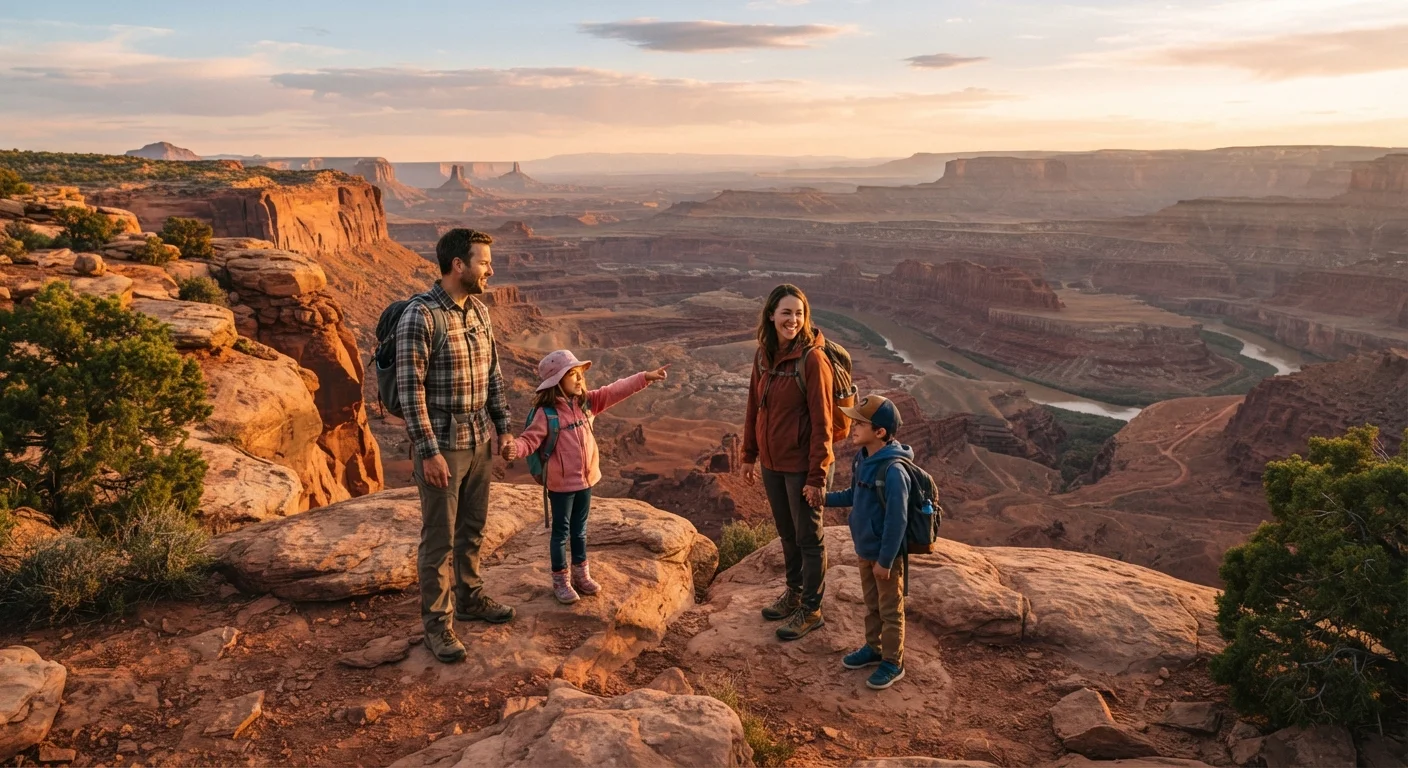
- Grand Canyon National Park (AZ): The South Rim's Bright Angel Trail offers manageable day-hike segments with jaw-dropping views. Ranger geology talks connect rock layers to deep time in ways that genuinely land with curious preteens.
- Arches National Park (UT): Short hikes to Delicate Arch and Landscape Arch deliver outsized payoffs. The entire American Southwest region clusters multiple compelling parks within driving distance.
- Glacier National Park (MT): The Going-to-the-Sun Road is one of America's most dramatic drives. Older kids with some hiking stamina can tackle Hidden Lake Overlook Trail, where mountain goats often appear at close range.
- Shenandoah National Park (VA): Close to major East Coast metros, Shenandoah's Skyline Drive and waterfall hikes are accessible weekend additions for Mid-Atlantic families.
400+
Parks offering Junior Ranger programs
According to the National Park Service, the Junior Ranger program operates at more than 400 sites across the United States.
325M+
Annual national park visits
The National Park Service regularly records over 300 million recreation visits per year across its system of parks, monuments, and recreation areas.
Free
Entry fee for children under 15
The National Park Service does not charge entry fees for visitors aged 15 and younger at fee-charging parks.
Junior Ranger Program: Your Secret Weapon
The National Park Service's Junior Ranger program is one of the most underused family travel tools in America. Available at more than 400 parks, it gives children a booklet of age-appropriate activities - sketching wildlife, interviewing a ranger, identifying plant species - and awards an official badge upon completion. The program transforms a passive sightseeing day into an active quest.
Children who complete the program tend to stay engaged throughout the visit rather than checking out by mid-afternoon. Rangers report that kids who earn badges often retain specific park facts months later. Booklets are typically free or very low cost at visitor centers. For age-specific destination matching beyond the Junior Ranger frame, our age-by-age destination guide offers a structured lookup by developmental stage.
Ask the ranger at the visitor center which trail had the best wildlife sighting in the past 24 hours - that real-time intel is far more reliable than any guidebook.
Rangers track sightings daily and can point families toward active wildlife corridors that aren't publicized online, turning an ordinary hike into a standout experience.
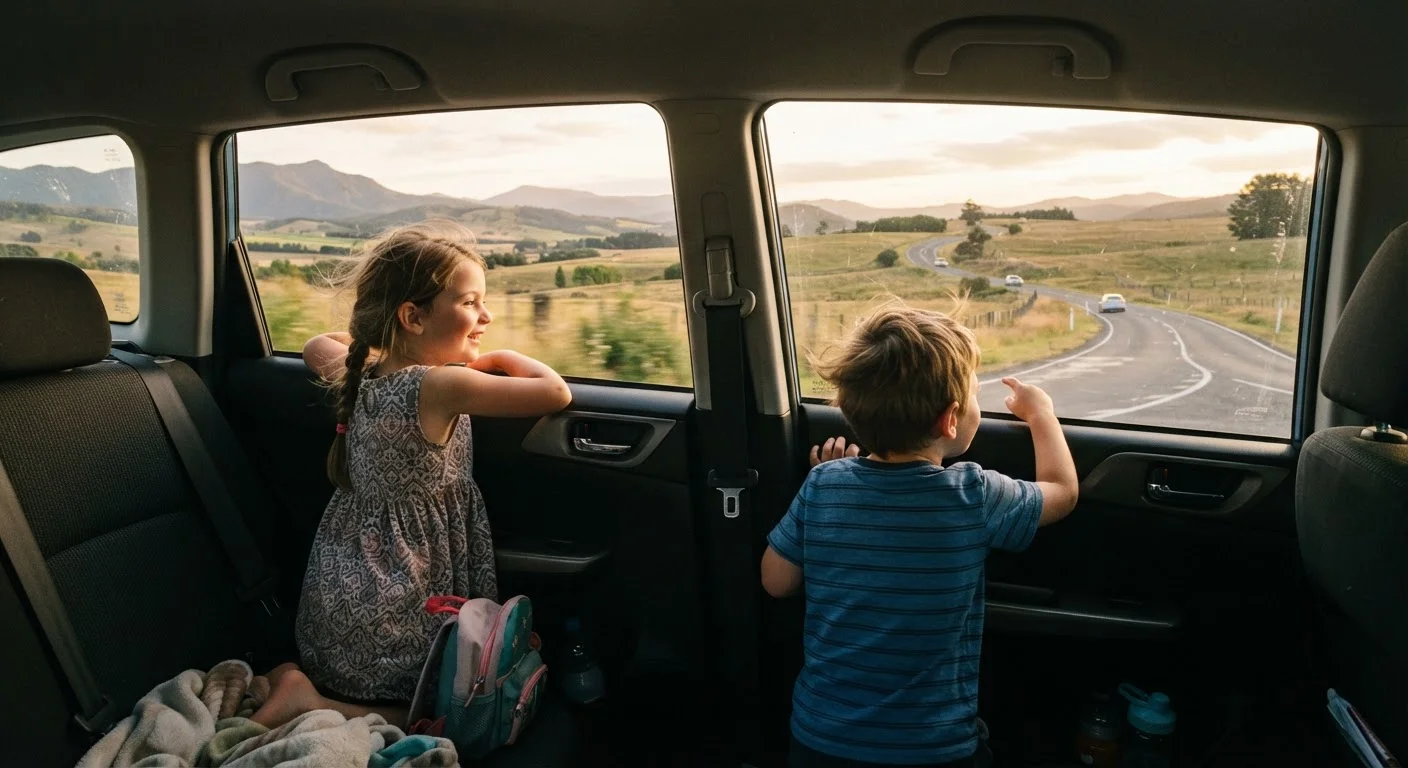
Start the Junior Ranger booklet in the car before you even enter the park - reading the questions aloud primes kids to notice specific details once they arrive.
Priming children with observation goals before a visit is a well-established technique in outdoor education that increases engagement and information retention.
Planning Tips for a Stress-Free Family Visit
The difference between a magical park day and an exhausting one often comes down to logistics. A few evidence-backed approaches:
- Time your entry
- Arriving before 9 a.m. or after 3 p.m. dramatically reduces parking stress and trail crowding at high-traffic parks. Shoulder seasons - May, September, and early October - offer similar landscapes with far fewer visitors.
- Layer the schedule
- Plan one anchor activity (a signature hike or geyser viewing) and leave the rest loose. Rigid itineraries and children rarely cooperate.
- Use the America the Beautiful Pass
- This annual interagency pass covers entry to all national parks for a single household. For families visiting more than one or two parks per year, it typically pays for itself quickly. Verify current pricing and eligibility at nps.gov before purchasing.
- Pack for the trail
- Even short hikes warrant sunscreen, water (more than you think), snacks, and layers. Many parks have significant elevation or unpredictable afternoon weather.
If budget is a central concern, our comparison of national parks versus state parks for families can help you decide when a state park alternative might deliver equal value at lower cost.
Making the Most of Your Park Experience
A few final strategies that experienced park families rely on:
- Visit the visitor center first. Rangers provide current trail conditions, wildlife sighting boards, and program schedules that can reshape your whole day for the better.
- Give children a camera or sketchbook. Documenting what they see shifts kids from passive passengers to active observers. Even a basic disposable camera creates ownership of the experience.
- Embrace the unplanned moment. A spontaneous elk sighting or a conversation with a ranger about fossil formation often becomes the memory that lasts longest.
- Read ahead together. Checking the park's official NPS page with your children before departure builds anticipation and vocabulary that makes the in-person experience richer.
America's national parks were set aside precisely because their value cannot be replicated elsewhere. Experienced through a child's eyes - with the drama of scale, the thrill of wildlife, and the pride of earning a Junior Ranger badge - they become more than destinations. They become reference points: the trip where the geyser went off right on time, the canyon that was too big to fit in a photo, the bear that crossed the meadow at dawn. Those benchmarks shape how children understand their country and their place in the natural world.
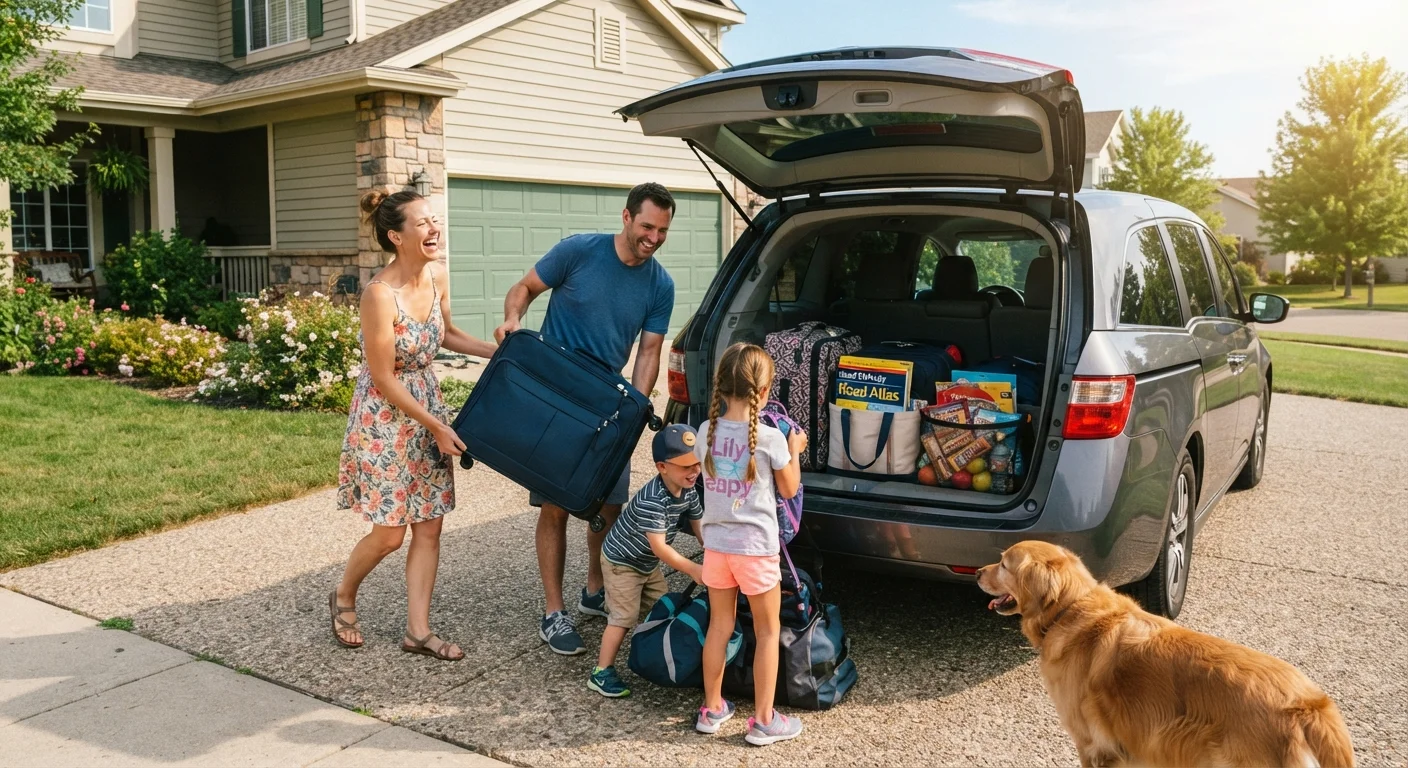
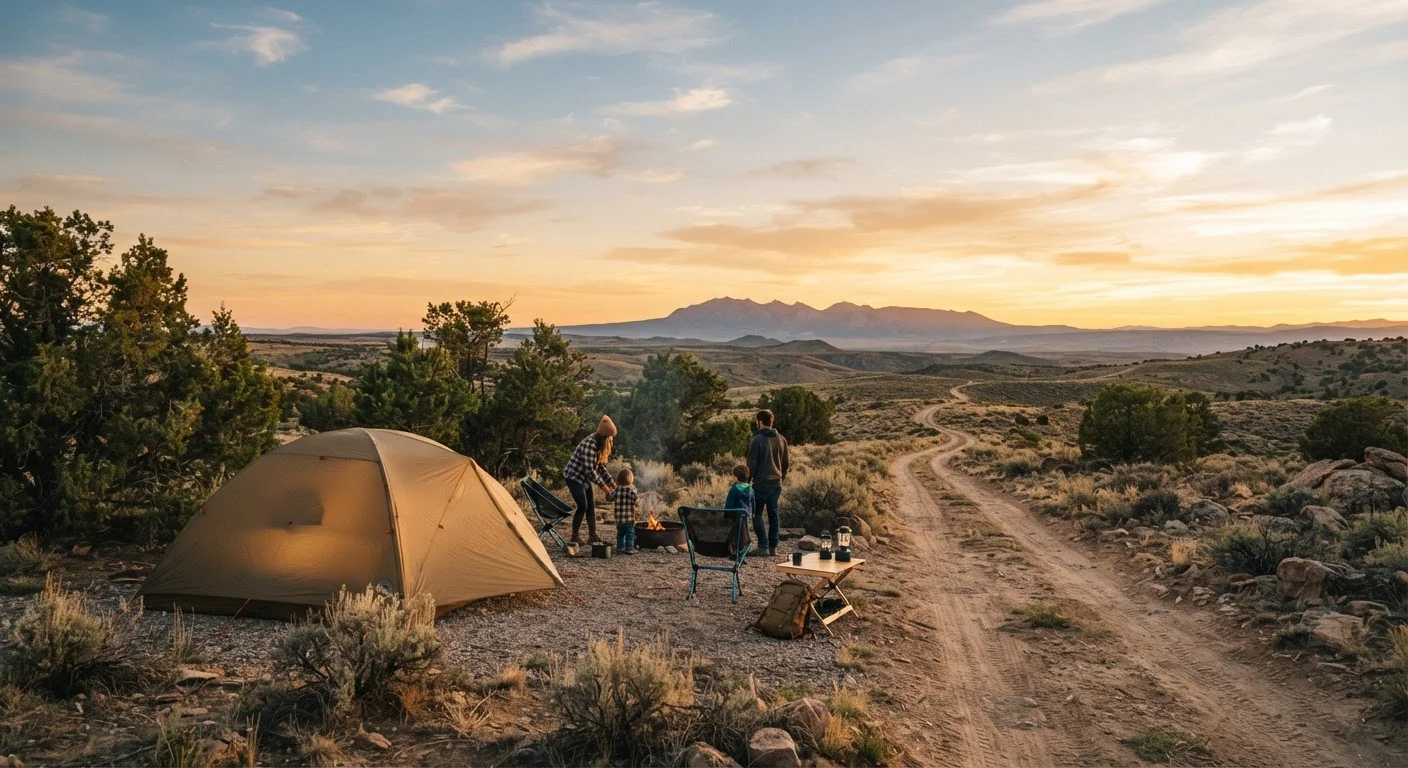
For families mapping out a longer journey that threads multiple parks together, our guide to scenic US drives highlights connecting routes that are beautiful in their own right - making the miles between parks part of the adventure.
This article provides general travel information only. Entry fees, pass programs, trail conditions, and park policies are subject to change. Always verify current details with the National Park Service at nps.gov and check official government travel advisories before your trip.