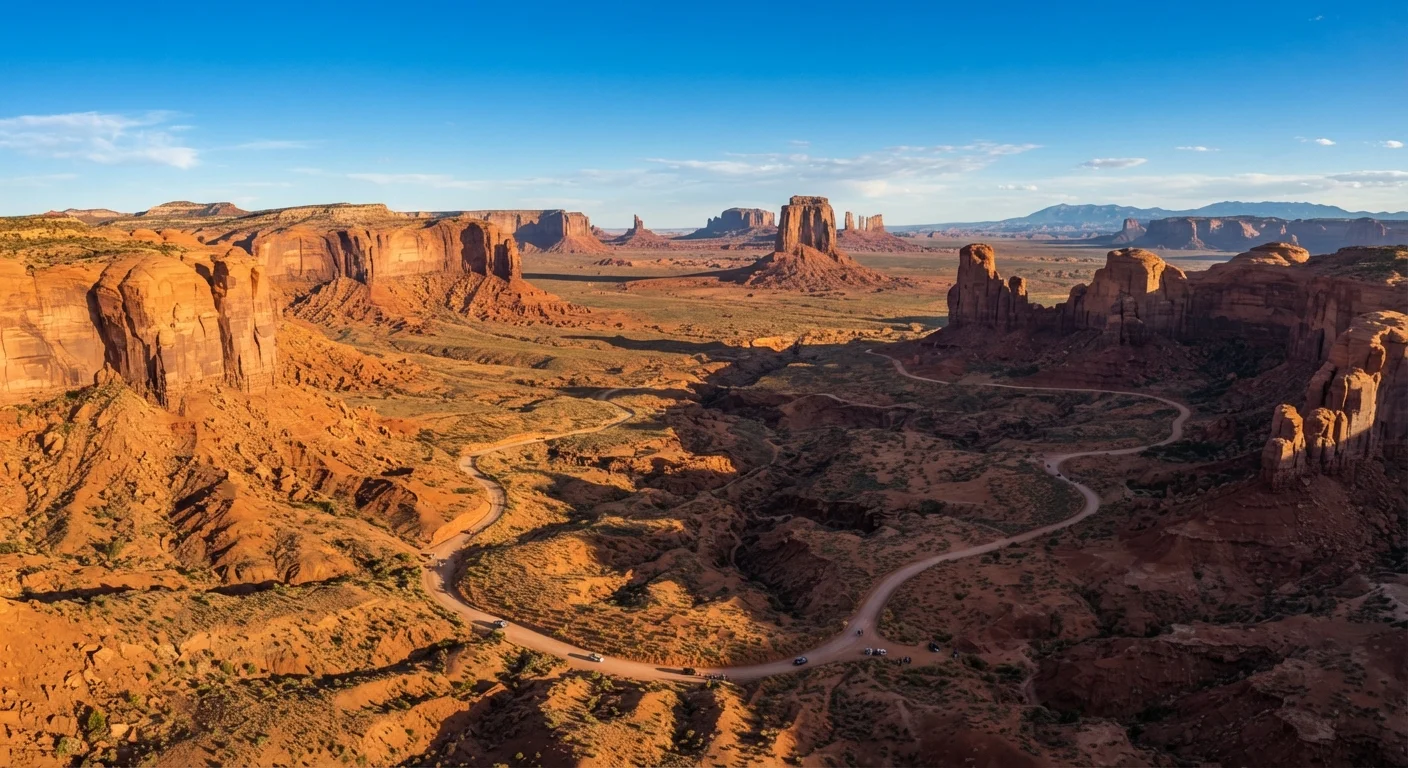
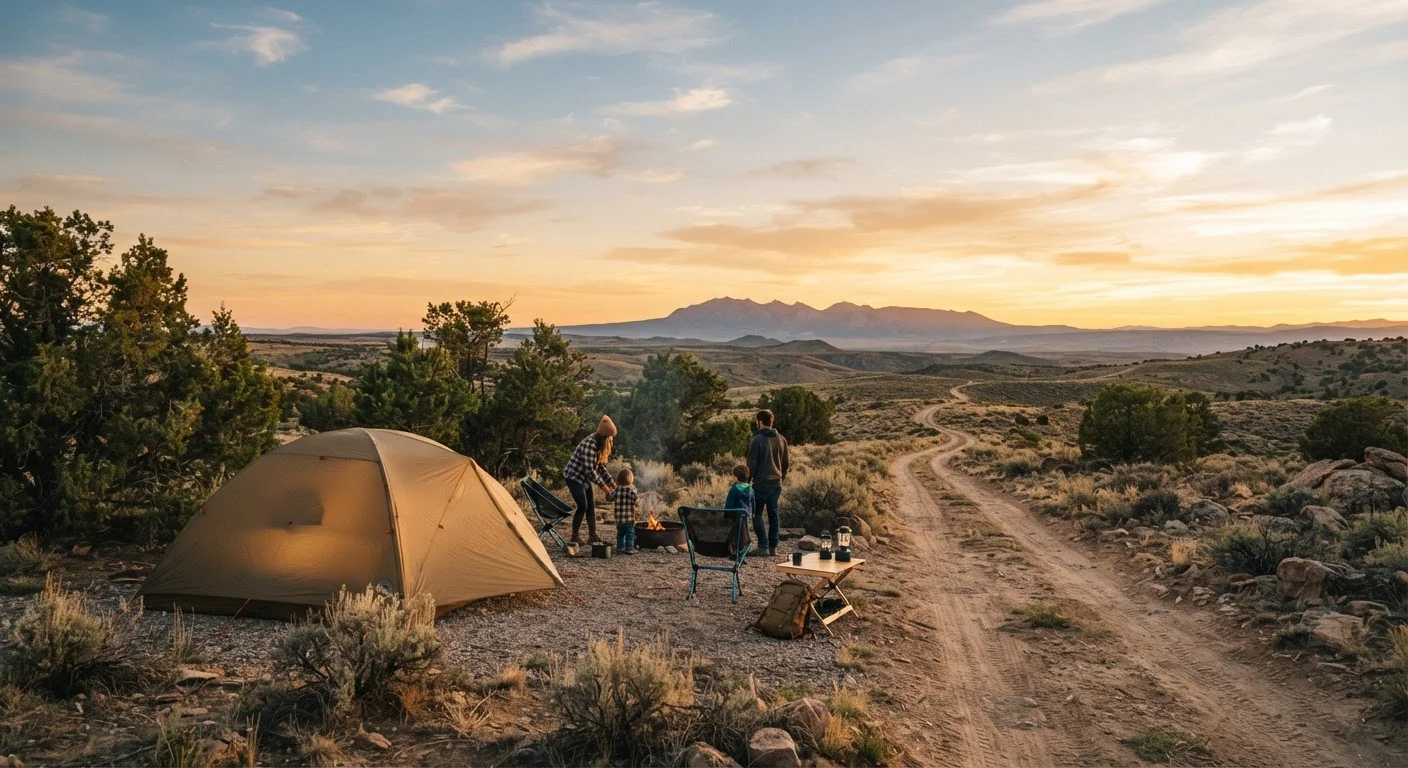
The Southwest offers dramatic scenery and rich Indigenous history. Here's a comprehensive look at what families can explore across this vast region.
Key Takeaways
The Southwest combines dramatic natural scenery with rich Indigenous cultural history in one region.
Spring and fall are generally the most comfortable seasons for families visiting desert destinations.
Cities like Albuquerque, Santa Fe, and Flagstaff serve as practical, engaging family basecamps.
Many canyon trails have ranger-led Junior Ranger programs designed specifically for children.
Driving distances between landmarks are significant - build buffer days into your itinerary.
At Bryce Canyon, arrive at the rim before 8 a.m. - the low-angle morning light turns the hoodoos a vivid orange and the crowds haven't yet arrived. Thirty minutes at the right viewpoint beats two hours in peak-afternoon foot traffic.
Early morning light in canyon parks dramatically improves both the visual experience and the practicality of the visit, especially for families with younger children who tire quickly in crowds and heat.
Pick up a Junior Ranger booklet at every park visitor center - they're free, designed for a range of ages, and give kids a structured reason to engage with what they're seeing rather than just trudging along.
National Park Service Junior Ranger programs are specifically designed to boost children's engagement with natural and cultural landmarks, making educational content feel like a game rather than a lesson.
Why the Southwest Works So Well for Families
Few regions in the United States pack in as much variety as the American Southwest. Within a few days of driving, families can move from towering red-rock canyon walls to ancient cliff dwellings, from lively desert cities to forested high-country plateaus. That layering of landscape and culture is exactly what makes it such a compelling family destination - there's a genuine sense of discovery at nearly every stop.
The Southwest also skews naturally toward outdoor and hands-on learning, which tends to hold children's attention in ways that purely passive experiences don't. National parks issue Junior Ranger booklets, museums host interactive exhibits on geology and ancient peoples, and landscapes that look cartoonish in photos are genuinely awe-inspiring in person. See how the Southwest compares to other park-focused family experiences in our guide America's National Parks Through a Child's Eyes.
5
National Parks in Utah's Mighty 5
Utah alone contains five major national parks - Zion, Bryce, Arches, Canyonlands, and Capitol Reef - making it one of the most park-dense states in the country.
~277 miles
Length of the Grand Canyon
The Grand Canyon stretches approximately 277 river miles, with the South Rim being the most visited and accessible section for families.
1,000+ years
Age of Mesa Verde cliff dwellings
The cliff dwellings at Mesa Verde National Park in Colorado were constructed by Ancestral Puebloans roughly 700-1,300 years ago.
Iconic Canyon Country: Grand Canyon, Zion, and Bryce
These three parks form the backbone of most Southwest family itineraries, and for good reason. The Grand Canyon's South Rim is the most accessible entry point - paved rim trails are stroller-friendly, ranger programs run year-round, and even a short walk to a viewpoint delivers an experience that's hard to replicate anywhere else on Earth. Families with older kids can venture short distances below the rim on the Bright Angel Trail, though hikers should be aware that the canyon's extreme heat and elevation change demand serious preparation.
Zion National Park in southern Utah offers some of the most family-friendly canyon hiking in the country. The Pa'rus Trail follows the Virgin River on a paved, mostly flat surface, making it accessible for a wide range of ages and abilities. Zion's free shuttle system keeps traffic manageable and simplifies logistics significantly.
Bryce Canyon
At Bryce Canyon, arrive at the rim before 8 a.m. - the low-angle morning light turns the hoodoos a vivid orange and the crowds haven't yet arrived. Thirty minutes at the right viewpoint beats two hours in peak-afternoon foot traffic.
Early morning light in canyon parks dramatically improves both the visual experience and the practicality of the visit, especially for families with younger children who tire quickly in crowds and heat.
Pick up a Junior Ranger booklet at every park visitor center - they're free, designed for a range of ages, and give kids a structured reason to engage with what they're seeing rather than just trudging along.
National Park Service Junior Ranger programs are specifically designed to boost children's engagement with natural and cultural landmarks, making educational content feel like a game rather than a lesson.
Desert Cities as Family Basecamp
Anchoring your Southwest trip around a city hub dramatically reduces planning stress. Flagstaff, Arizona sits at over 7,000 feet, making it significantly cooler than Phoenix and positioning it within about an hour's drive of both the Grand Canyon South Rim and Sedona's red rocks. It has a walkable downtown, a natural history museum, and a relaxed pace that families appreciate after long driving days.
Albuquerque, New Mexico offers a compelling mix of urban amenities and outdoor access. The Sandia Mountains provide hiking and the Sandia Peak Tramway - one of the longest aerial trams in the US - delivers panoramic views families won't forget. The city's Old Town district introduces children to centuries of New Mexico history in a compact, walkable area.
Santa Fe, just an hour north, adds an arts-and-culture layer that resonates even with younger kids when approached the right way - hands-on museum exhibits, Indigenous art markets at the Palace of the Governors, and a plaza that invites slow exploration. For a full multi-city planning framework, our road trip planning guide covers how to sequence stops without burning out your crew.
Indigenous Culture and Living History
One of the Southwest's most distinctive offerings is its living Indigenous cultural heritage. This isn't history confined to museums - it's present in the landscape, in communities, and in traditions that continue today. Families visiting Mesa Verde National Park in Colorado can tour cliff dwellings that date back nearly a thousand years, guided by rangers who provide context that makes the experience genuinely educational rather than just scenic.
The Navajo Nation - the largest Native American reservation in the US - encompasses Monument Valley and many other sites. Visitors are encouraged to book tours led by Navajo guides, which both supports local communities and provides cultural context that self-guided visits simply can't replicate. Always check current visitor guidelines directly with tribal authorities, as rules and access can change.
Respect Tribal Land Rules and Customs
When visiting Navajo Nation, Pueblo communities, or other tribal lands, you are a guest in a sovereign community with its own rules. Photography, hiking off designated paths, and collecting natural materials may be strictly prohibited. Always check current visitor guidelines directly with the relevant tribal authorities before your visit, and follow posted rules without exception.
At Pueblo communities like Taos Pueblo in New Mexico - a UNESCO World Heritage Site - guided tours offer access to one of the oldest continuously inhabited structures in North America. Respect posted signage, photography rules, and community protocols throughout your visit.
Planning Tips: Timing, Heat, and Keeping Kids Happy
Timing is everything in the Southwest. Spring (March-May) and fall (September-November) are widely considered the most comfortable windows for families, offering moderate temperatures at canyon rims and desert floors alike. Summer brings intense heat at lower elevations - triple-digit temperatures in places like the Grand Canyon's inner gorge - and monsoon storms that can affect trail safety. Winter visits can be spectacular and less crowded but require preparation for cold and potential road closures at higher elevations.
Hydration and sun protection aren't just good ideas - they're non-negotiable. Plan outdoor activities for early morning, take a midday break, and resume in late afternoon. The Budget Road Trips hub has more practical guidance on keeping costs manageable while building in that flexibility. Always carry more water than you think you'll need, especially with children.
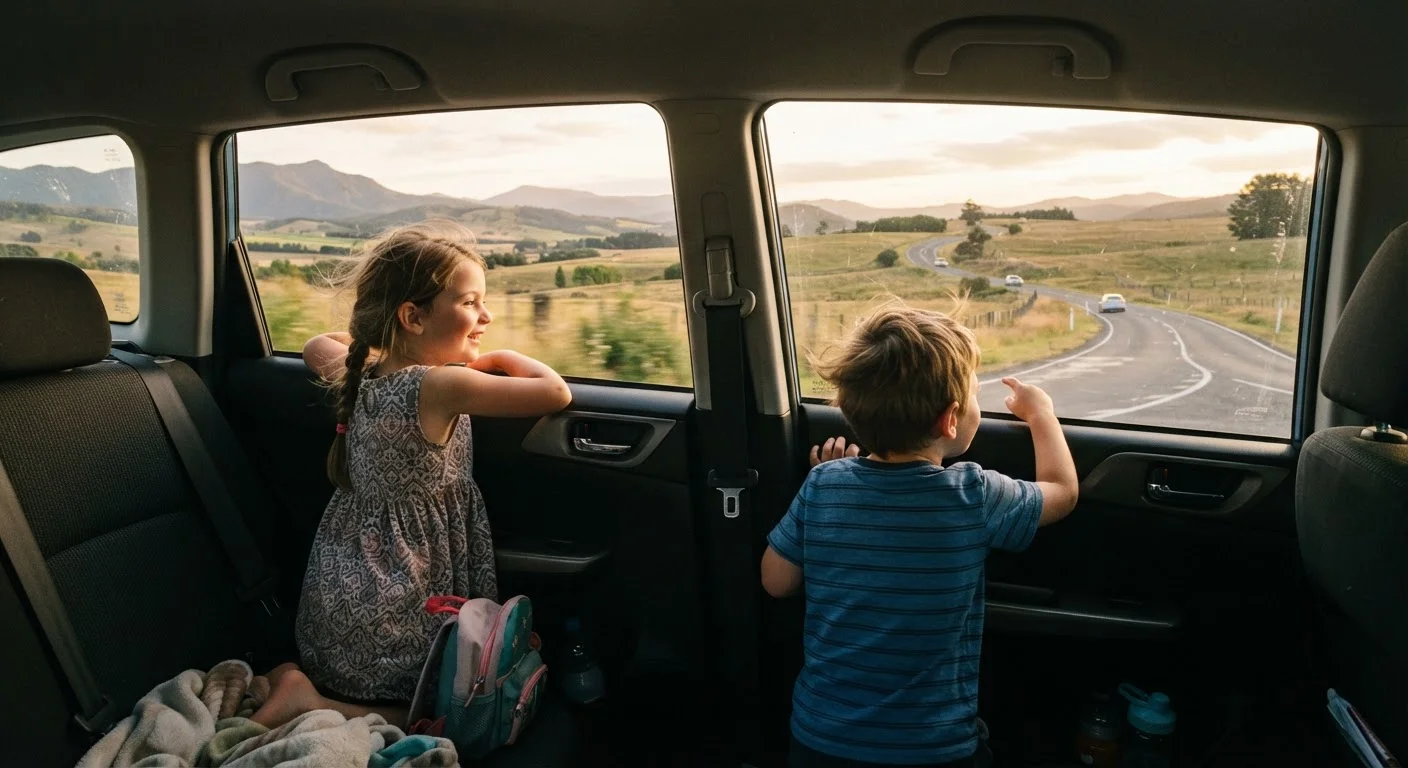
Driving distances catch many families off guard. It's common to look at a Southwest map and underestimate how long the stretches between parks actually feel with rest stops, fuel, and a restless eight-year-old in the back seat. Build buffer days, identify kid-friendly rest stops in advance, and resist the urge to over-schedule. Some of the Southwest's best moments come from a spontaneous pull-off at an unexpected viewpoint - and you can only enjoy those if you're not racing a tight itinerary.
Travel conditions, park access, entry requirements, and tribal visitor guidelines can change. Verify current details with official park and tribal authority sources before your trip.
Travel & Getaways Editorial Team is the collective byline for our editorial team and contributor network. Articles published under this byline or an editorial pen name are researched, written, and reviewed according to our editorial standards for clarity, consistency, and independence before publication.
The content provided on our blog site traverses numerous categories, offering readers valuable and practical information. Readers can use the editorial team’s research and data to gain more insights into their topics of interest. However, they are requested not to treat the articles as conclusive. The website team cannot be held responsible for differences in data or inaccuracies found across other platforms. Please also note that the site might also miss out on various schemes and offers available that the readers may find more beneficial than the ones we cover.