Why Theme Parks Dominate the Family Vacation Conversation
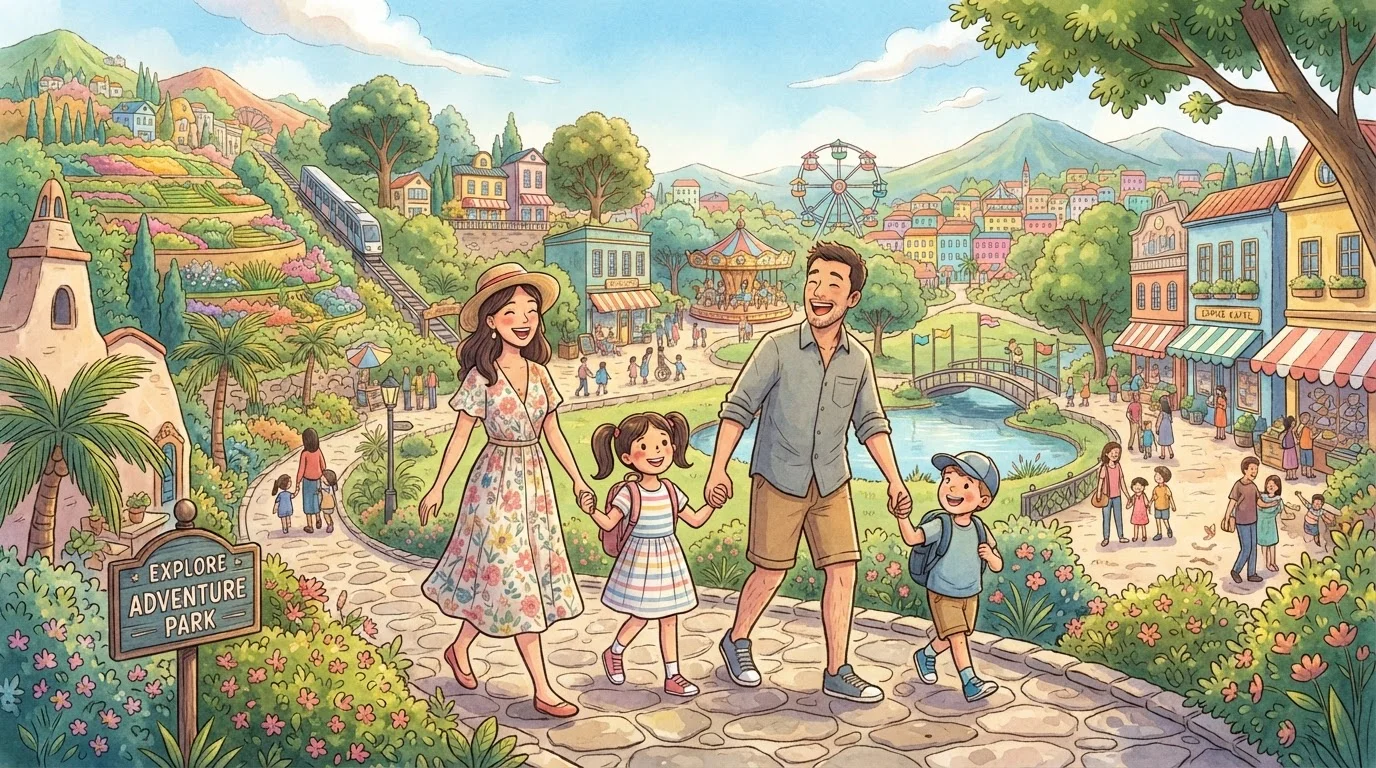
For many American families, the phrase "family vacation" conjures one image: a theme park. These destinations have perfected the art of packaging excitement, convenience, and nostalgia into a single ticket. Everything is on-site, the entertainment is continuous, and kids rarely utter the dreaded "I'm bored."
But that convenience comes with trade-offs. Multi-day park passes, on-site dining, and hotel proximity costs can push a family of four well past what many households budget for a full week of travel. Add queue fatigue and sensory overload, and theme parks can be as exhausting as they are exhilarating. That's worth weighing honestly before you book.
Understanding what "family-friendly" actually means for your specific crew is the first step toward choosing destinations that deliver rather than disappoint.
How Other Destination Types Stack Up
Theme parks aren't competing in a vacuum. Nature-based trips, city breaks, and coastal destinations each offer something distinct - and often at very different price points.
| Theme Parks | National/State Parks | City Destinations | Coastal/Beach Trips | |
|---|---|---|---|---|
| Typical Cost (Family of 4) | High | Low to Moderate | Moderate | Moderate to High |
| Energy Level Required | Very High | Moderate | Moderate | Low to Moderate |
| Best Age Range | 3-12 years | 5+ years | 8+ years | All ages |
| Flexibility / Spontaneity | Low | High | High | High |
| Educational Value | Low to Moderate | High | High | Moderate |
| Crowd Levels | Very High | Low to Moderate | Variable | Seasonal |
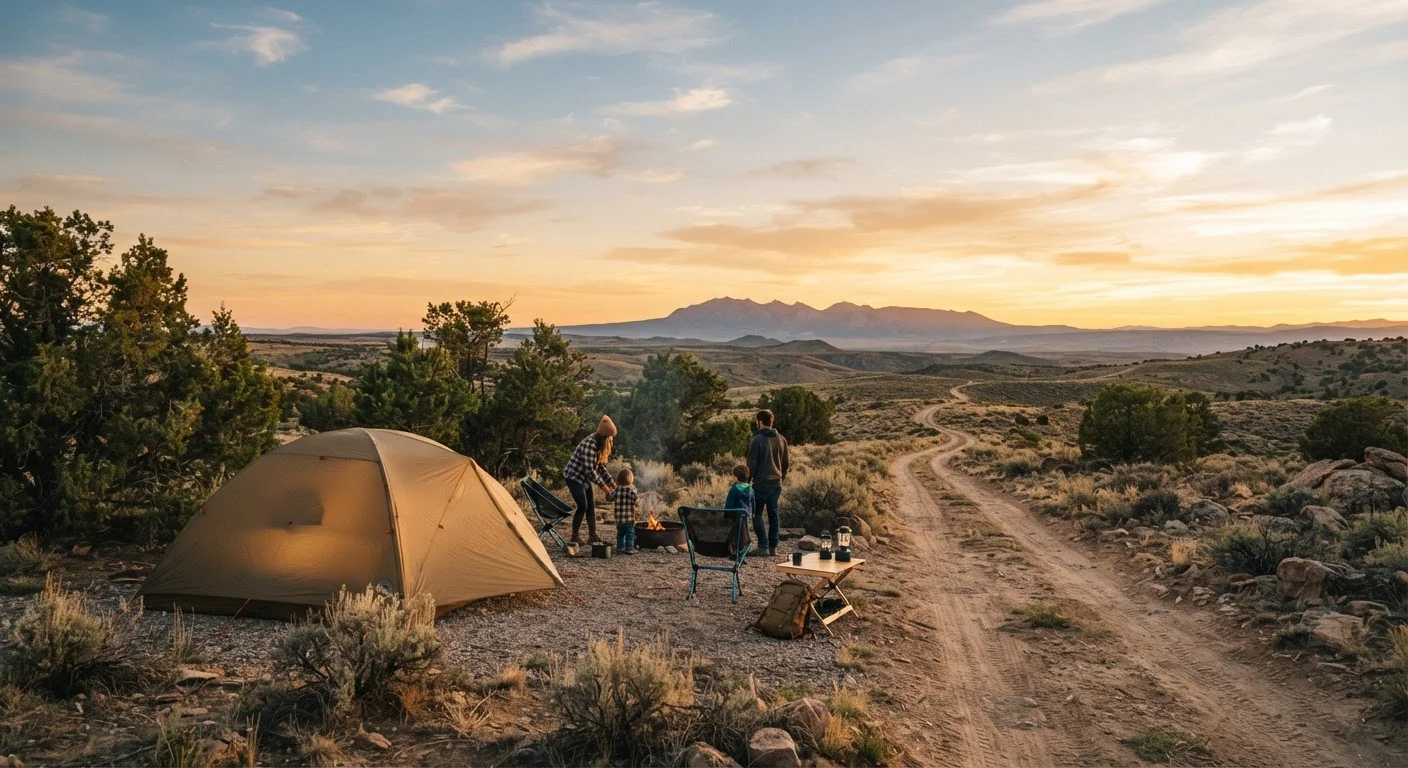
National and state parks, for example, offer wide-open spaces that let kids run freely, explore wildlife, and build real-world curiosity. The national parks vs. state parks comparison is worth exploring if cost is a priority - state parks frequently deliver comparable scenery with smaller crowds and lower entry fees.
City-based trips, meanwhile, offer museums, public transit adventures, neighborhood food scenes, and cultural landmarks that expose kids to the diversity of American life. Cities like Washington D.C., Chicago, and New Orleans have robust free or low-cost options that stretch a family budget considerably.
The Case for Mixing It Up
The families who tend to rave most about their trips aren't the ones who did seven straight days at a single park - they're the ones who built in variety. A theme park day followed by a beach morning, a nature hike, and a local food market visit creates a rhythm that gives everyone something to look forward to.
Build in a "Slow Day" Every Three Days
Travel researchers and family therapists alike note that children - especially under 10 - need downtime to process new experiences. Plan one low-key day for every two or three high-activity days. A morning at a local playground, a picnic in a park, or a slow breakfast at a diner can reset the whole group's energy and enthusiasm.
Mixing experience types also provides natural recovery time. Theme parks are physically and mentally demanding. Quieter days in between - whether at a state park, a small-town main street, or a lakeside campground - let families recharge without sacrificing the sense of adventure.
If your family thrives on shorter, lower-stakes outings, the short family getaway approach is worth considering as a complement to any longer trip.
Common Planning Pitfalls to Sidestep
Even the best destination mix can unravel with poor planning. Overpacked itineraries - squeezing a theme park, a city tour, and a long drive into a single day - are among the most common culprits. So are mismatched expectations between parents and kids about what the trip will involve.
The reasons family vacations go off the rails are well-documented: skipped nap schedules for toddlers, ignored interests for older kids, and zero buffer time when things run long. Build in at least one unscheduled half-day per trip, and treat it as a gift rather than wasted time.
Also worth questioning: the assumption that more expensive always means more memorable. Some of the most beloved family travel memories happen at roadside stops, free splash pads, and state park campgrounds - places that cost very little but leave a lasting impression. For a broader framework, see common family travel myths that can steer even well-intentioned planners in the wrong direction.