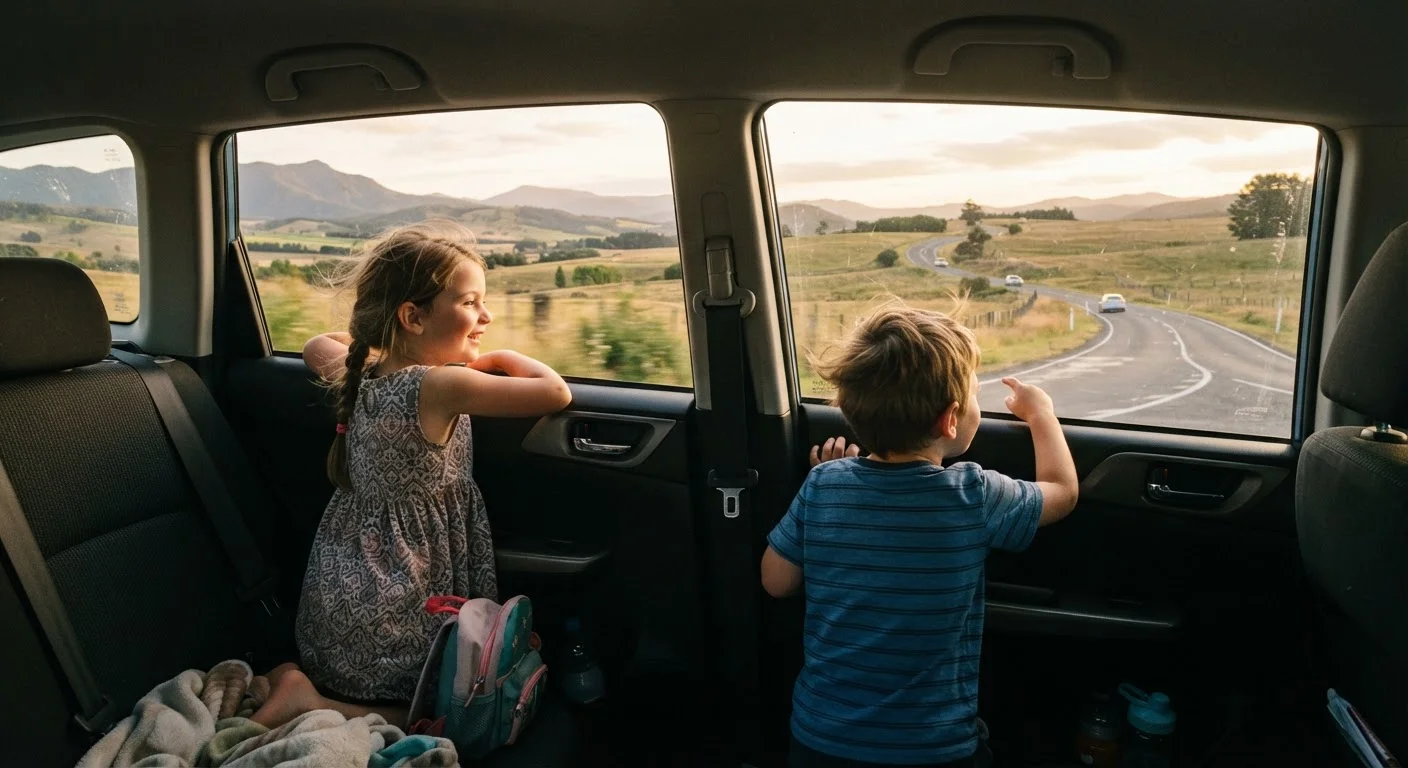

Why Short Trips Deserve More Strategic Thought
A two-night family trip sounds breezy on paper, but without intentional planning it can leave everyone more depleted than refreshed. The pressure to "make it count" often leads families to overload a 48-hour window with activities that would better suit a full week. Understanding what a short getaway can actually deliver - and what it can't - is the first step toward enjoying one.
Research into leisure and mental restoration consistently suggests that even brief breaks from routine can reduce stress and improve focus. Our guide to the mental recharge value of weekend trips explores the psychology behind this in more depth. The key insight: duration matters less than quality of disconnection.
For families, "quality of disconnection" often means fewer transitions, calmer logistics, and space for kids to do what they naturally do - explore, play, and slow down without a packed schedule forcing the pace.
Short Trips Aren't Mini Vacations
It helps to think of a weekend getaway as a different category of experience entirely - not a compressed version of a week-long vacation. The goal isn't to see everything or tick boxes; it's to shift context and spend unhurried time together. Families who approach short trips with this mindset tend to return home genuinely refreshed rather than vaguely disappointed.
Best Practices for Planning a Low-Burnout Family Getaway
These approaches aren't just feel-good suggestions - they're grounded in what actually keeps short family trips enjoyable from departure to return drive.
Choose destinations within a two-to-three hour drive of home
Long travel legs eat into rest time and add stress before the getaway even begins. Closer destinations keep the ratio of travel-to-enjoyment favorable and let you leave later in the day without sacrificing a full evening at your destination.
Cap planned activities at two per day, maximum
Over-scheduling is the single most common reason short family trips feel exhausting rather than restful. Children - and most adults - need unstructured transition time between activities to stay regulated and engaged.
Book accommodations with a kitchen or kitchenette
Eating every meal out with kids adds cost, decision fatigue, and scheduling pressure. Having the option to eat breakfast in or pack snacks reduces daily friction significantly.
Protect nap schedules and bedtimes as non-negotiable
Skipping sleep routines for younger children almost always compounds by day two, leading to meltdowns that derail adult enjoyment just as much as kids'. A trip built around sleep rhythms is a calmer trip for everyone.
Define one "anchor experience" and let everything else be optional
Having a single experience everyone agrees is the centerpiece - a hike, a beach day, a children's museum - reduces the pressure on every other hour of the trip. Optional additions become bonuses rather than obligations.
Talk openly with kids about what the trip will and won't include
Mismatched expectations are a leading cause of family trip conflict. A brief, honest conversation before departure - covering what's planned and what isn't - heads off disappointment and entitlement cycles mid-trip.
Quick Wins Before You Leave the Driveway
A lot of family trip stress happens in the 24 hours before departure. These actions take minutes but meaningfully reduce friction once you're on the road.
If you're weighing a more spontaneous approach, it's worth reading about why last-minute getaways often hit unexpected snags - the planning gaps that catch families off guard are predictable and avoidable.
Coming Home Restored, Not Wrecked
The return home is where short trips most often unravel. Families who schedule a heavy final day of sightseeing, then face a long drive, arrive Sunday night more exhausted than when they left Friday. Plan your last half-day as a wind-down: a slow breakfast, a walk, a familiar activity the kids enjoy without much adult orchestration.
For a deeper look at structuring your two-day window so it actually feels like rest, see how to decompress before Sunday night. The structural advice there pairs directly with the practices above.
Short family getaways work best when everyone - adults included - lowers the bar for what "success" looks like. A trip where the kids splashed in a creek, the adults had one uninterrupted conversation over coffee, and everyone slept in their own beds Sunday night? That's a win. Field-tested approaches for traveling with children on short trips can help you fine-tune the formula for your family's specific ages and temperaments.
This article provides general travel planning information and is not a substitute for advice tailored to your family's specific needs, health considerations, or financial situation. Verify destination details, hours, and conditions with official sources before traveling.