
Why Short Trips So Often Backfire
Two days sounds like enough time to rest, but most people return from weekend getaways feeling like they need a vacation from their vacation. The culprit is almost never the destination - it's the structure. Overpacked itineraries, late Sunday night returns, and decision fatigue during the trip all compound into a net negative.
The goal of a true decompression trip isn't stimulation - it's recovery. That requires a fundamentally different planning philosophy than a sightseeing weekend. When you treat a 48-hour window as a recovery block rather than a highlight reel, the results are genuinely different.
The Sunday Night Dread Is Real
Research in occupational psychology consistently links insufficient psychological detachment from work to burnout, poor sleep, and reduced wellbeing. A poorly structured short trip can increase this effect - you return more depleted than when you left. This guide is about structuring the trip itself, not just picking a destination.
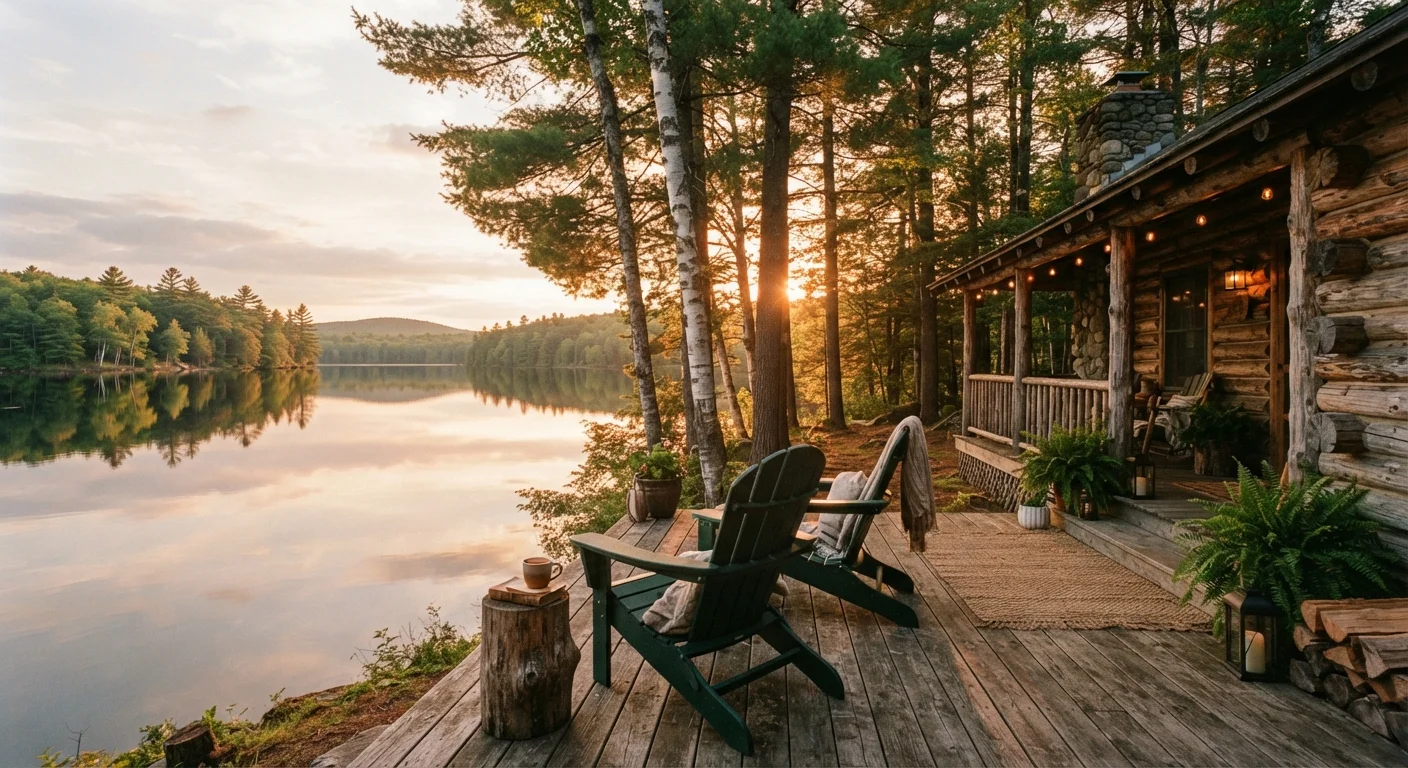
Getting this right is mostly a planning problem, not a budget problem. The steps below work whether you're staying at a lakeside cabin, a modest motel near a state park, or even a short-term rental in a quieter town two counties over.
Activity Overload Defeats the Purpose
It's tempting to justify a weekend away by filling it with experiences. But back-to-back activities - hiking, museums, tours, shopping - replicate the same cognitive load as a workday. Build in at least two unscheduled two-hour blocks where nothing is planned, and protect them.
What You'll Need Before You Go
Preparation is where most short trips are won or lost. The less you have to figure out once you've left home, the more mental space you have to actually relax. Work through the checklist below before you pack.
What you will need
Offline maps app
Reduces phone-checking anxiety and keeps navigation smooth in areas with spotty cell service.
Packing checklist (written out in advance)
Eliminates last-minute scrambling that starts the trip on a frazzled note.
A physical book or downloaded podcasts
Provides low-stimulation entertainment that doesn't require Wi-Fi and helps quiet a busy mind.
Small cooler with snacks and drinks
Cuts unnecessary stops and keeps energy stable during the drive.
Keep your packing list minimal and practical. Over-packing for a two-day trip adds friction at both ends of the journey and signals to your brain that this is a complex undertaking - which nudges you back into planning mode rather than rest mode.
Step-by-Step: Structuring Your 48 Hours
Follow these steps in order. Each one builds on the last, and skipping any of them tends to unravel the ones that follow. The sequence matters as much as the individual actions.
Pick a destination based on drive time, not bucket-list appeal
The single most restorative change you can make is choosing somewhere within 90-120 minutes of your front door. Longer drives eat into sleep, create logistical pressure, and front-load the trip with fatigue. Prioritize a place that is different in texture from your daily environment - near water, in a quieter town, or surrounded by trees - rather than one that requires peak-season planning.
Look for destinations with a slower pace: small state parks, lakeside towns, mountain foothills. These environments engage the senses without demanding attention the way cities do.
Depart Friday evening, not Saturday morning
Arriving Friday night - even late - psychologically closes the work week and gives your nervous system a full night to begin unwinding in a new context. Saturday-morning departures compress the trip and rush the first morning, which is often the most restorative part of the stay.
Pack the car Thursday evening so Friday departure requires zero effort. A smooth, unhurried exit is part of the reset.
Set a phone boundary for the first full day
You don't need to go fully offline, but designating Saturday as a low-notification day makes a measurable difference in how rested you feel. Turn off email and work app notifications before you leave home. Let your team know you're unreachable unless there's an emergency.
Social media scrolling isn't rest - it's a different kind of stimulation. Consider leaving social apps off your lock screen for the duration of the trip.
Build your Saturday around anchor activities with rest gaps
Choose one or two anchor experiences - a morning hike, a paddleboat rental, a visit to a local market - and schedule them with deliberate space between. An anchor activity gives the day shape without filling every hour. The gaps between them are where actual decompression happens.
A solid structure: light morning activity, long lunch, unstructured midday rest, one late-afternoon outing, early dinner. That's a full day that feels rich but not depleting. See our guide to structuring short family trips for a family-focused version of this approach.
Leave by early Sunday afternoon
Departing by 1-2 p.m. Sunday is one of the most underrated moves in short-trip planning. It avoids Sunday-evening traffic, gets you home with time to unpack calmly, and - critically - gives you a quiet hour or two before the work week begins mentally.
The Sunday night dread intensifies when you're scrambling through traffic at 7 p.m. and fall into bed without any transition time. An early departure transforms Sunday evening from frantic to grounded.
Pre-Plan Meals Before You Leave Home
Decision fatigue is one of the biggest hidden energy drains on a short trip. Look up two or three well-reviewed local spots and designate them for specific meals before you go. This removes the 'where do we eat?' friction and lets you be fully present during downtime.
What to Expect When You Get It Right
A well-structured short trip won't feel like a full vacation - and it shouldn't. What it will feel like is a genuine pause: you'll notice that Sunday evening feels quieter, that Monday morning carries slightly less dread, and that you remember specific moments from the trip rather than a blur of activity.
These small, concrete outcomes are the actual measure of a successful decompression trip. If you're traveling with family, the full guide to short family getaways covers how to balance different energy levels and keep everyone genuinely rested - not just busy.
The habit of regular, well-structured short trips tends to compound over time. Monthly or bi-monthly resets of even one or two nights can meaningfully change how you handle routine stress - not because travel is magic, but because deliberate pauses are.