What Makes a Weekend Getaway Different From Other Travel
A weekend getaway typically spans two to three nights - enough time to genuinely shift gears, but not so long that you need extensive planning or a significant budget. The defining feature isn't just distance; it's intentionality. You're choosing a focused experience over a sprawling itinerary.
Because time is compressed, the type of getaway matters more than on a long vacation. Spending Friday night figuring out what you want to do wastes nearly a quarter of your trip. That's why understanding the main categories upfront is the most useful first step - and why spontaneous weekend trips are harder than they look.
| Typical Duration | 2-3 nights |
| Common Drive Radius | Under 3 hours from home |
| Main Travel Categories | 6 (nature, city, road trip, wellness, adventure, family) |
| Biggest Budget Variable | Lodging type and location |
| Planning Lead Time (recommended) | 2-4 weeks for most trip types |
The Main Categories of Weekend Getaways
Most short-stay travel falls into one of six recognizable types. Each suits a different energy level, budget range, and travel party.
Weekend Getaway
A short recreational trip of two to three nights, typically taken over a standard weekend or long weekend. The emphasis is on a change of environment rather than an extensive itinerary.
Road Trip Loop
A self-driven route that begins and ends at the same location, with planned stops along the way. Loops eliminate backtracking and give travelers flexible pacing.
Wellness Retreat
A stay focused on rest, stress reduction, and physical care, often at a spa town, hot spring, or quiet rural inn. The defining feature is a deliberately unscheduled or low-activity itinerary.
City Break
A short visit to an urban destination, typically structured around cultural attractions, dining, and neighborhood exploration. Works well for compact, walkable cities.
Adventure Trip
A getaway centered on a physical or skill-based activity such as kayaking, rock climbing, or surfing. Often booked around a specific guided experience or outfitter.
Lodging Cost Baseline
The typical nightly rate for accommodation in a given destination or travel type. Establishing a baseline before planning helps avoid budget surprises when comparing trip formats.
Nature & Outdoor Escapes
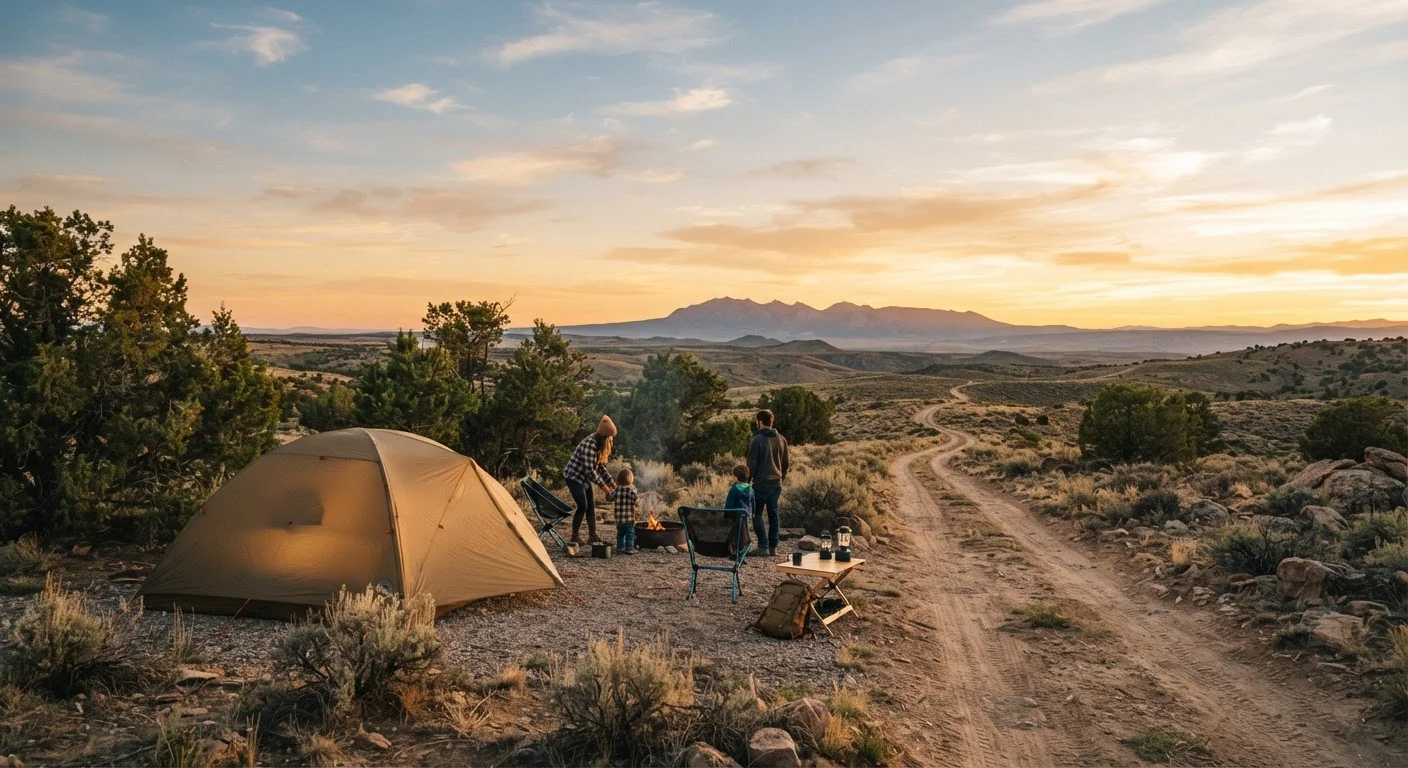
Camping, hiking, kayaking, or simply renting a cabin in a state or national park. These getaways typically have lower lodging costs than city hotels, though gear rentals and park fees add up. Best suited for people who want active decompression. Families with children often find this format easiest to budget - see the Budget Road Trips hub for destination ideas across the US.
City Breaks
A short urban immersion - museums, restaurants, live music, and neighborhoods you haven't explored. These work well for solo travelers and couples. Costs vary widely depending on the city; urban lodging is typically the largest expense, but many cultural attractions carry low or no admission fees.
Road Trip Loops
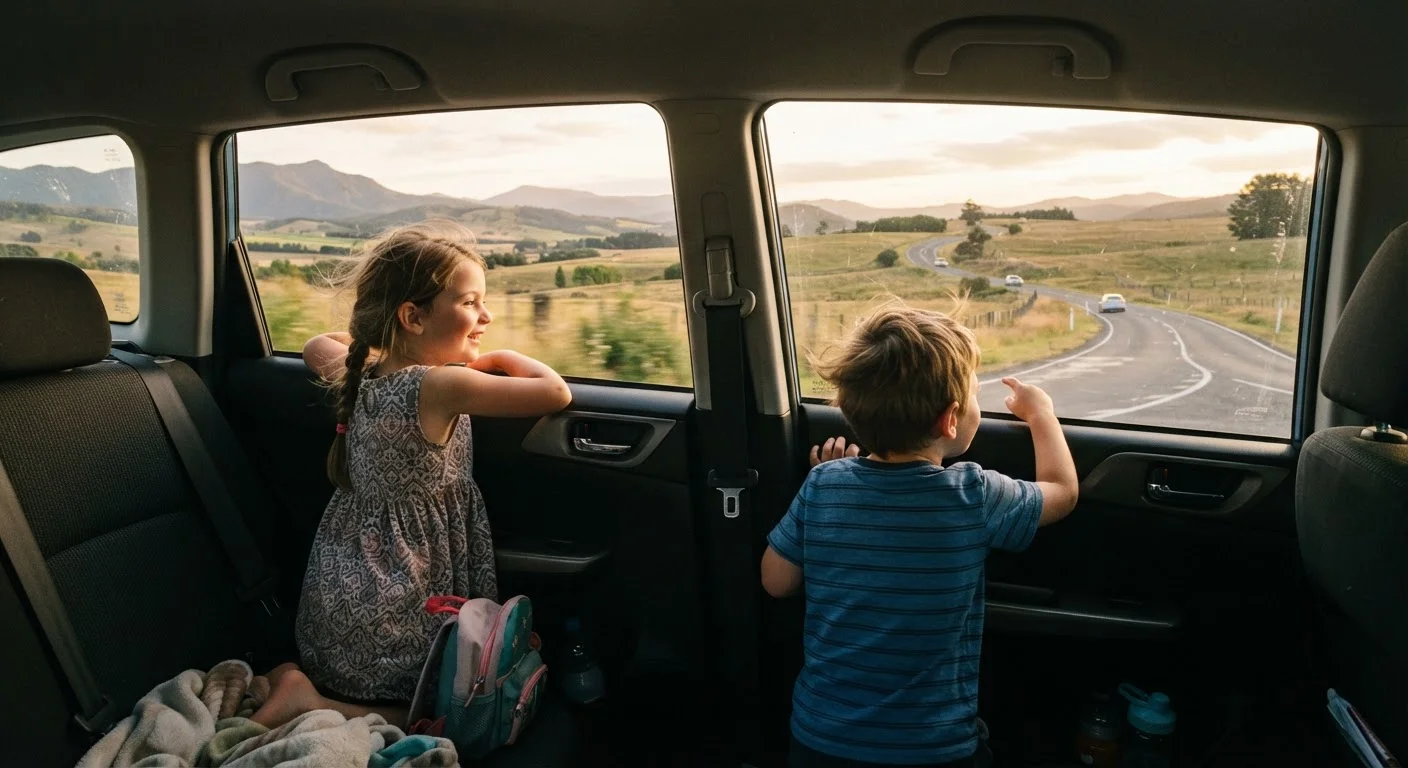
A circular drive of 150-400 miles with planned stops, returning home without backtracking. These trips combine flexibility with structure. You control the pace, and the car becomes part of the experience. Check the Budget Road Trips hub for practical loop ideas organized by region.
Wellness & Rest Retreats
Hot springs, spa towns, yoga retreat centers, or simply a quiet inn with no packed schedule. The goal is deliberate rest rather than sightseeing. Research consistently suggests that even brief breaks from routine can support mental restoration - the psychology of short trips explains the mechanisms behind this.
Adventure & Skill-Based Trips
Rock climbing, surfing lessons, whitewater rafting, or a cycling-focused trip. These getaways center on doing something challenging. They're often booked around a specific outfitter or guided experience, which simplifies logistics but adds cost.
Family-Focused Getaways
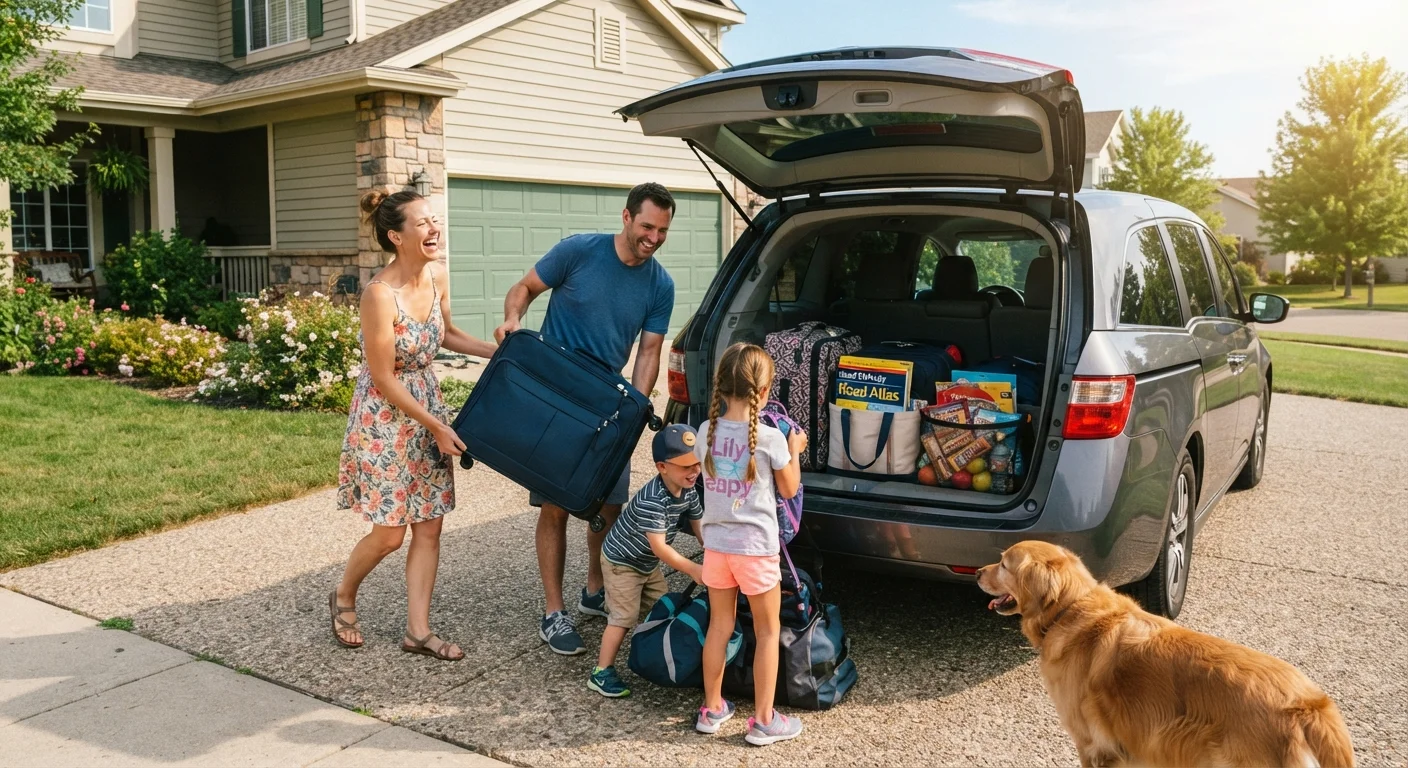
Theme parks, beach towns, lake resorts, and kid-friendly historic sites. The planning calculus is different here - you're optimizing for a group with varied ages and energy levels. Making the most of short family getaways offers specific strategies for keeping these trips refreshing rather than exhausting. Also explore the Family Destinations hub for curated US options.
Choosing the Right Type for Your Situation
A few practical questions help narrow the field quickly:
- Energy budget: Do you want to come back rested or stimulated? Wellness and nature escapes restore; city breaks and adventure trips energize.
- Travel party: Solo travelers have maximum flexibility. Families and groups need more infrastructure - reliable lodging, activities with broad age appeal, and manageable drive times.
- Actual budget: Road trip loops and camping escapes tend to run lower overall. City breaks and guided adventure trips can escalate quickly if you're not tracking costs.
- Distance tolerance: Most effective weekend getaways stay within a two-to-three-hour drive or a short direct flight. Beyond that, transit eats into your actual experience time.
~3 hrs
Max drive time for a practical weekend getaway
Travel researchers and trip planners generally recommend keeping one-way drive time under three hours to preserve meaningful time at the destination.
48-72 hrs
Typical usable time on a standard weekend trip
After accounting for transit and sleep, most weekend travelers have roughly two to three full days of activity time available.
Whichever type fits your situation, the core principle stays the same: define what you want to feel at the end of the trip, then choose the format that delivers it most directly.