Why Route Choice Affects Fuel More Than Most Drivers Expect
Most drivers think about fuel efficiency in terms of driving style - smooth acceleration, steady speed, avoiding hard braking. That's accurate, but it's only half the picture. The route itself shapes how much those habits can actually help. A route through dense stop-and-go traffic forces repeated acceleration cycles regardless of how carefully you drive.
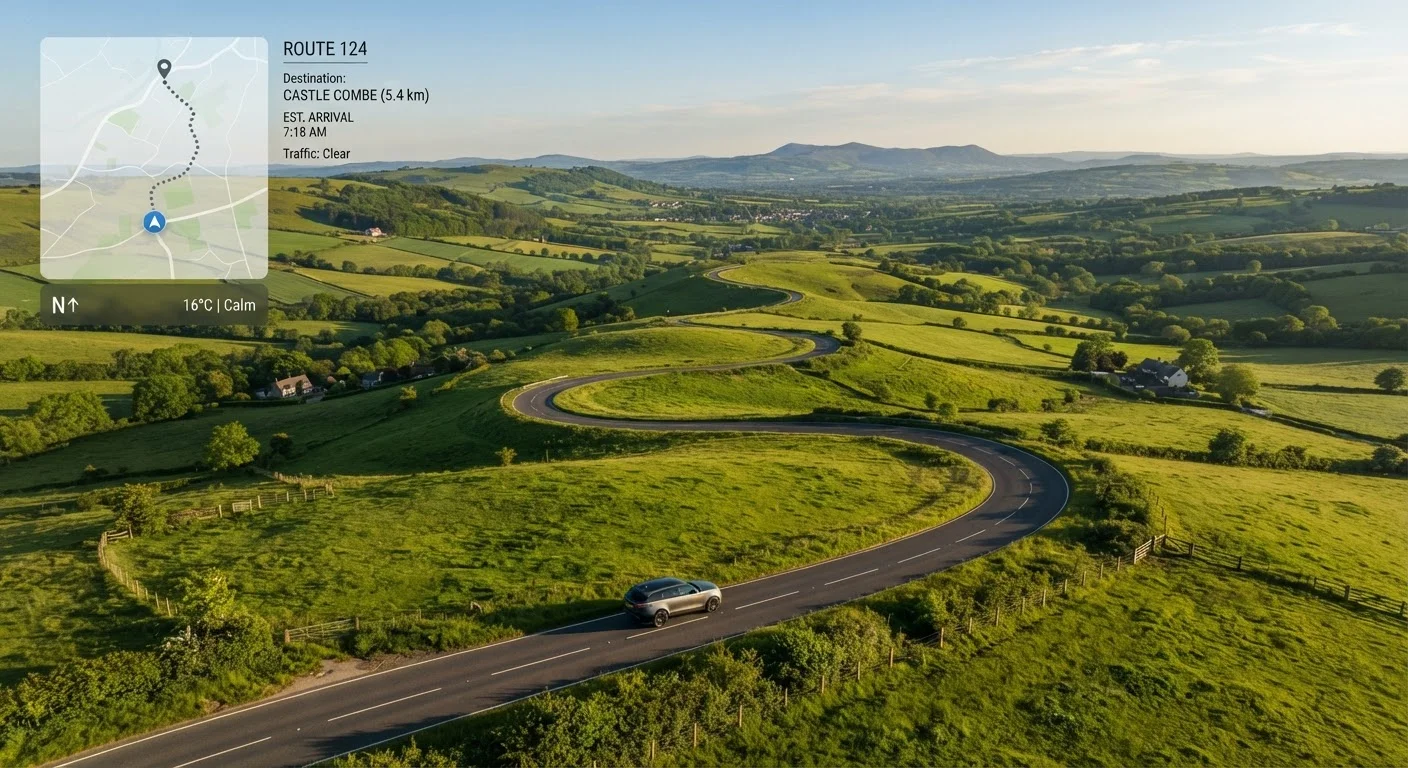
Three route factors dominate fuel consumption: stop frequency, elevation profile, and speed consistency. A longer route with fewer stops and a flatter profile can easily outperform a shorter one that winds through lights and hills. This is why navigation apps that factor in real-time traffic often produce lower fuel costs than simply following the shortest-distance path.
For context on how dramatically urban versus highway conditions affect consumption, our piece on where your fuel really goes breaks down the mechanics. And if you want to take efficiency further, hypermiling techniques offer an honest look at what's practical versus what's excessive.
Idling Burns More Than You Think
A typical gasoline engine burns roughly a quarter to half a gallon of fuel per hour at idle. Sitting in predictable traffic - a school pickup lane, a congested interchange - for just 20 minutes several times a week adds up to a noticeable fuel cost over a month. Where timing is flexible, adjust departure times to avoid known bottlenecks rather than treating them as inevitable.
Tools and Setup Before You Start
Effective route planning doesn't require specialized software - your existing navigation app is sufficient if configured correctly. Before applying the steps below, confirm these basics are in place.
What you will need
Navigation app with traffic integration
Identifies real-time congestion and suggests alternate routes before and during your trip.
Fuel consumption tracker (app or vehicle display)
Lets you compare actual fuel economy across different routes over time.
Topographic or elevation overlay (e.g., Google Maps terrain view)
Helps identify steep grades that cause significant fuel burn on otherwise short routes.
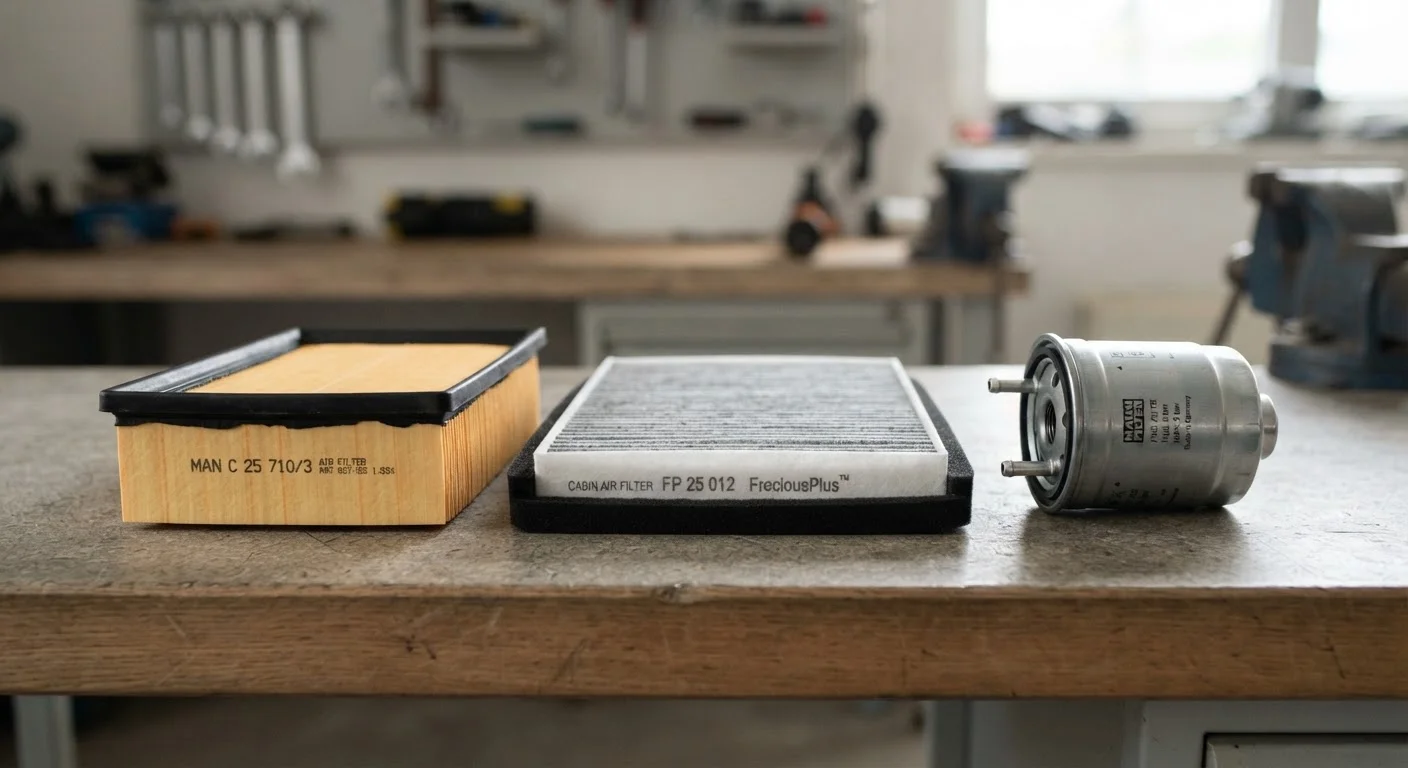
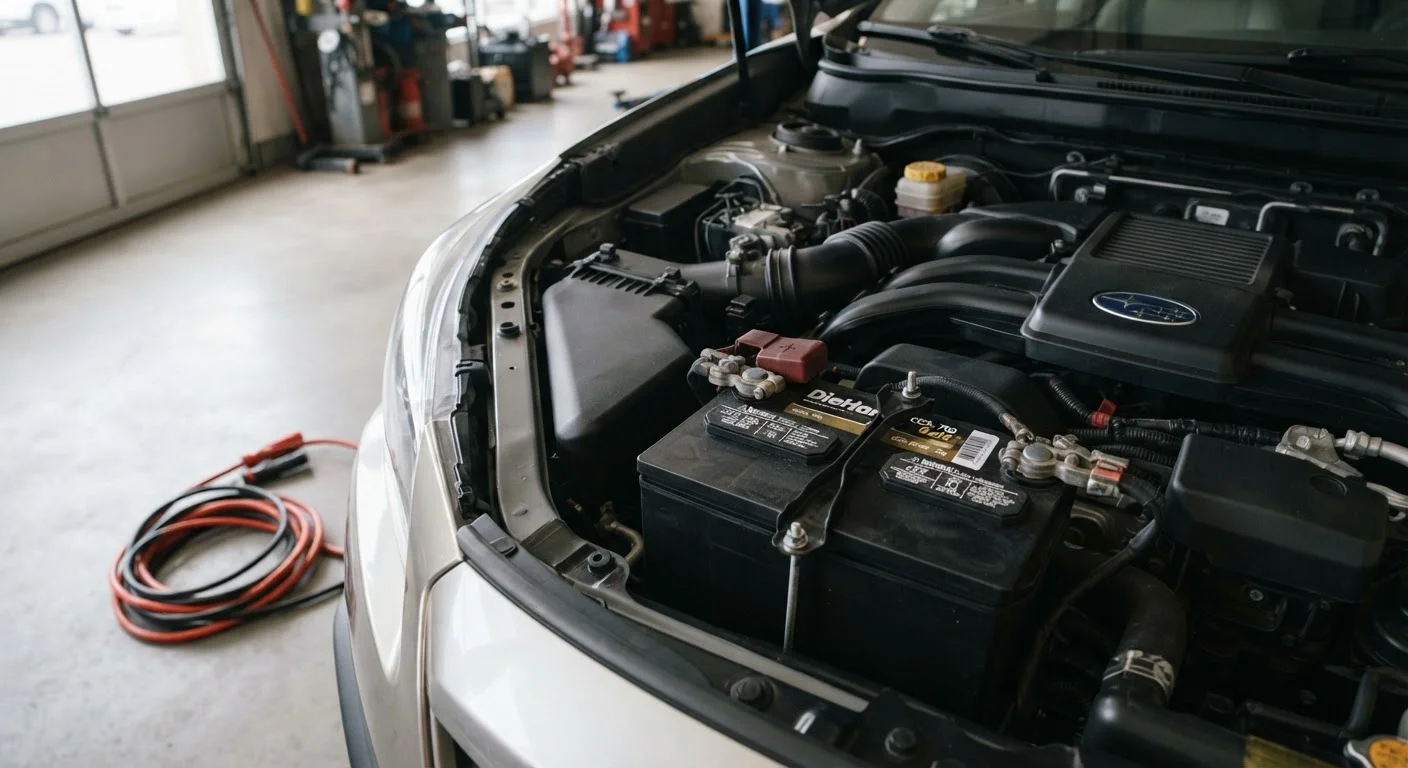
Also ensure your vehicle is starting the trip in good condition - tire pressure, fluid levels, and load weight all influence how much the route choice matters. The pre-journey efficiency checklist covers these quickly. There are also several overlooked factors that drain fuel economy worth reviewing alongside your routing decisions.
How to Plan a More Fuel-Efficient Route
Follow these steps in sequence before any regular trip - commutes, errands, and longer drives all benefit from a few minutes of upfront planning.
Check traffic conditions before you leave
Open your navigation app and review the route at least 10 minutes before departure. Look for red or amber segments - heavy congestion means frequent braking, idling, and acceleration cycles, all of which raise fuel consumption well above highway averages. If an alternate route adds only 2-4 minutes but eliminates a known bottleneck, it's usually worth taking.
Factor in elevation changes along the route
Uphill grades demand significantly more engine output and fuel. A route that looks shorter on a flat map may cost more in fuel if it crosses a steep hill rather than skirting around it at a gentler grade. Use terrain view in your mapping app to spot large elevation changes. For everyday commutes, even a modest hill repeated twice daily compounds over a week.
Count the number of traffic signals and stop signs
Each full stop followed by acceleration from zero is one of the costliest fuel events in city driving. Compare two routes and note which has fewer signalized intersections. A route with four fewer stops - even if slightly longer - can be more efficient. This is especially true if you drive a larger vehicle or one without auto start-stop technology.
Prioritize consistent-speed segments
Roads where you can maintain a steady speed - typically 45-55 mph on arterials or 60-65 mph on highways - tend to deliver the best fuel economy for most passenger vehicles. Avoid routes with unpredictable merge points, frequent lane drops, or school zones during active hours, all of which force speed fluctuations. If highway access is available for a meaningful portion of the trip, it's usually more efficient than an equivalent urban surface road. See how fuel demands differ between environments in our article on city vs. highway driving.
Consolidate errands into a single efficient loop
Cold engines use more fuel. Multiple short trips - each starting from cold - burn disproportionately more fuel than one continuous loop covering the same stops. Plan errands in a logical geographic sequence so the engine stays warm throughout. Order stops by location, not by priority, and batch weekly tasks into one or two trips rather than daily out-and-back runs.
Review and adjust based on real fuel data
After trying a new route consistently for a week, check your actual fuel consumption using your vehicle's trip computer or a fuel log. Real-world data is more reliable than estimates. If a route consistently yields better economy, make it your default. Tracking this over time also reveals seasonal patterns - winter cold starts and summer air-conditioning loads shift the math. Our guide on tracking vehicle running costs walks through practical logging methods.
For longer journeys where fuel spending is a meaningful budget item, the principles in our guide on road trip money habits apply directly alongside your routing decisions.