Why Driving Style Matters More Than Most Drivers Realize
Most conversations about fuel economy focus on the vehicle - its engine, its aerodynamics, its technology. But professional drivers - commercial truckers, driving instructors, fleet operators - know that the person behind the wheel is responsible for a significant share of real-world fuel consumption. The same vehicle, driven two different ways, can return dramatically different results.
The gap comes down to one concept: smoothness. Smooth inputs mean the engine spends more time in efficient operating conditions and less time compensating for abrupt demands. For context on how driving environment shapes consumption, see how city and highway driving differ in fuel use. The techniques below are drawn from the same curricula used in commercial driver training - adapted for everyday drivers.
~15-30%
Potential fuel savings from smoother driving habits
The U.S. Department of Energy estimates aggressive driving - speeding, rapid acceleration, and hard braking - can lower fuel economy by 15-30% on the highway.
1-2%
Fuel penalty per 100 lbs of extra vehicle weight
According to U.S. Department of Energy data, every additional 100 pounds in a vehicle reduces fuel economy by roughly 1-2% depending on vehicle type.
~3 seconds
Ideal throttle application time from a stop
Fleet efficiency programs commonly recommend spending 3 or more seconds reaching target speed from a standstill to stay within efficient engine load ranges.
The Core Techniques: What Professionals Actually Do
Professional fuel-efficient driving isn't about going slower or driving timidly. It's about deliberate, coordinated inputs that keep the vehicle in the most energy-efficient state possible at all times. These habits compound: each one helps, and together they produce meaningful results.
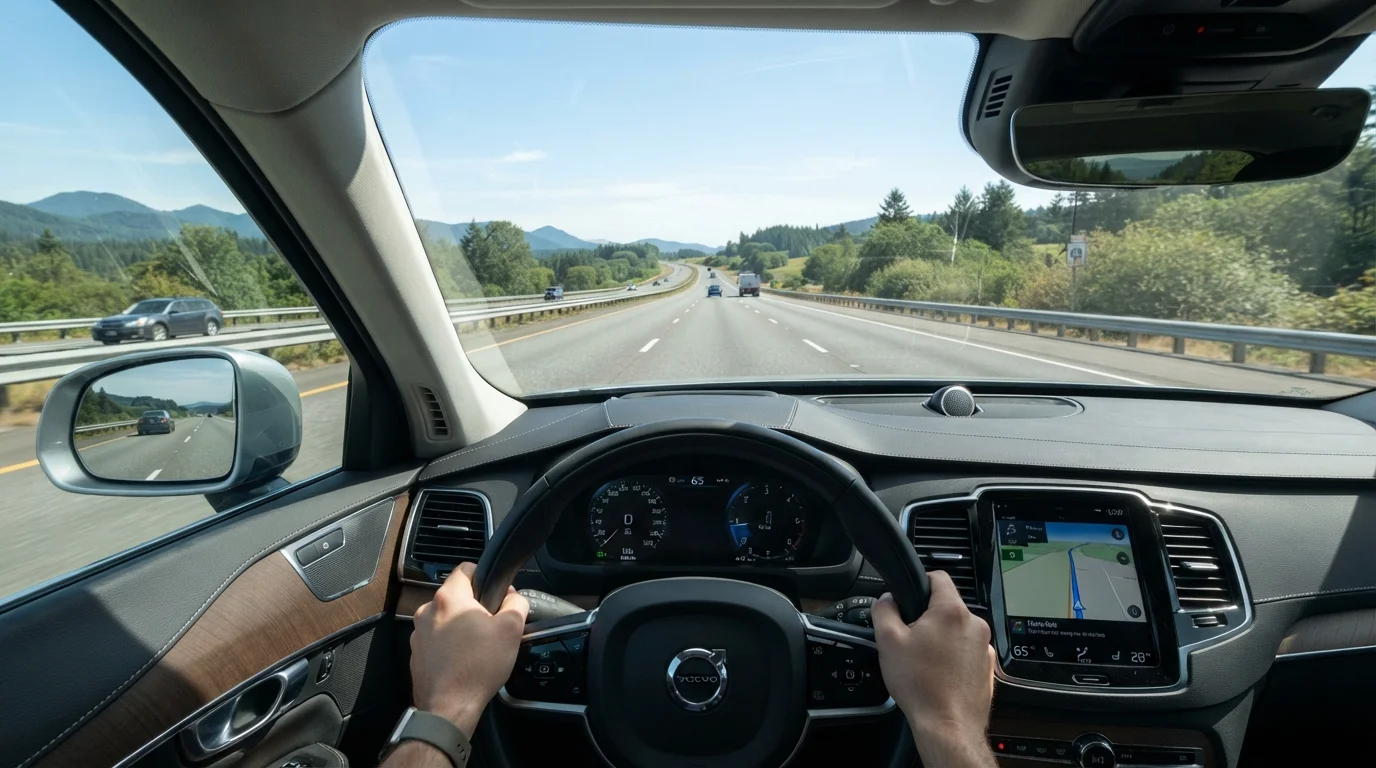
Look 12-15 seconds ahead to anticipate traffic changes before they reach you.
Professional drivers are trained to scan far down the road, not just watch the bumper in front of them. This gives you time to ease off the throttle early rather than braking hard - preserving momentum and reducing fuel demand. Most unnecessary fuel burn happens when drivers react late.
Apply throttle gradually - accelerate smoothly rather than pressing the pedal quickly.
Hard acceleration forces the engine into high fuel-demand modes, burning significantly more per mile than a steady, progressive build in speed. Gradual throttle keeps the engine in a more efficient operating range. Over a typical commute, this habit alone can reduce consumption noticeably.
Use engine braking by releasing the throttle early and coasting to slow down.
Modern fuel-injected engines cut fuel delivery almost entirely during deceleration when the throttle is released - making coasting essentially free. Hard braking wastes the kinetic energy your engine already paid for. Building the habit of lifting off the gas early turns every slowdown into a recovery opportunity.
Maintain consistent speed on the highway rather than letting speed drift and then correcting.
Speed fluctuations - speeding up then slowing down repeatedly - create a cycle of fuel waste. Each acceleration event demands extra fuel; smooth constant speed minimises that demand. See our comparison of cruise control and manual throttle for when each method works best.
Carry as little extra weight as possible and reduce aerodynamic drag before every trip.
Every 100 pounds of unnecessary weight increases fuel consumption by roughly 1-2%, according to U.S. Department of Energy guidance. Roof racks, cargo carriers, and open windows at highway speed all add aerodynamic resistance. Before a longer trip, removing non-essential cargo pays measurable dividends.
Use momentum strategically on hills - build speed on the downslope, ease up on the climb.
Fighting gravity at full throttle up a hill is expensive in fuel terms. Allowing speed to drop slightly on climbs while using speed gathered on descents means the engine works with the terrain rather than against it. This is a core technique taught in commercial vehicle efficiency training.
Putting It Into Practice: Where to Start
The barrier to adopting these techniques isn't cost - it's habit. Most drivers have patterns built over years that feel automatic. The most effective approach is to change one habit at a time rather than trying to overhaul everything at once.
Begin with forward observation: consciously push your scan point further down the road on your next commute. Once that feels natural, layer in gradual throttle application. Coasting and hill management typically follow once the first two are locked in.
For a broader view of how these habits connect to vehicle upkeep and hidden costs, the complete guide to smarter motoring ties the full picture together. And if aggressive habits have already taken a toll, see what hard braking and accelerating actually cost for the financial detail.
Plan Your Route Before You Leave
Route choice directly affects how smoothly you can drive. Highways with long signal-free stretches reward momentum management far better than stop-heavy surface streets. For a full pre-trip checklist covering tyre pressure, load, and route planning, see our driver's efficiency check. A few minutes of planning can save multiple refuel stops over a week of driving.
The Compounding Effect Over Time
Individual technique improvements may seem marginal on any single trip. The real value shows up over weeks and months of consistent application. A driver who averages even a 10% improvement in fuel efficiency across 15,000 miles per year avoids a meaningful number of fill-ups - without changing vehicles, routes, or destinations.
“The single biggest efficiency gain most drivers can make isn't in what they drive - it's in how they drive. Anticipation and smoothness cost nothing and return real fuel savings.”
— Commercial Driver Efficiency Training Curriculum, Standard reference used in U.S. fleet driver training programs
Fuel savings aren't the only benefit. Smoother driving reduces brake wear, lowers engine stress, and - according to traffic safety research - correlates with fewer close-call incidents. The same distance vision and anticipation that help you coast to a stop also give you more time to respond to unexpected hazards.
These Techniques Work Across Vehicle Types
Whether you drive a gasoline sedan, a hybrid, or a diesel truck, the fundamentals of smooth driving apply. Hybrids benefit even more from coasting and anticipation, as regenerative braking captures deceleration energy. Diesel vehicles are particularly sensitive to unnecessary idle and aggressive acceleration cycles. The underlying physics - momentum, aerodynamics, engine load - are consistent regardless of powertrain.
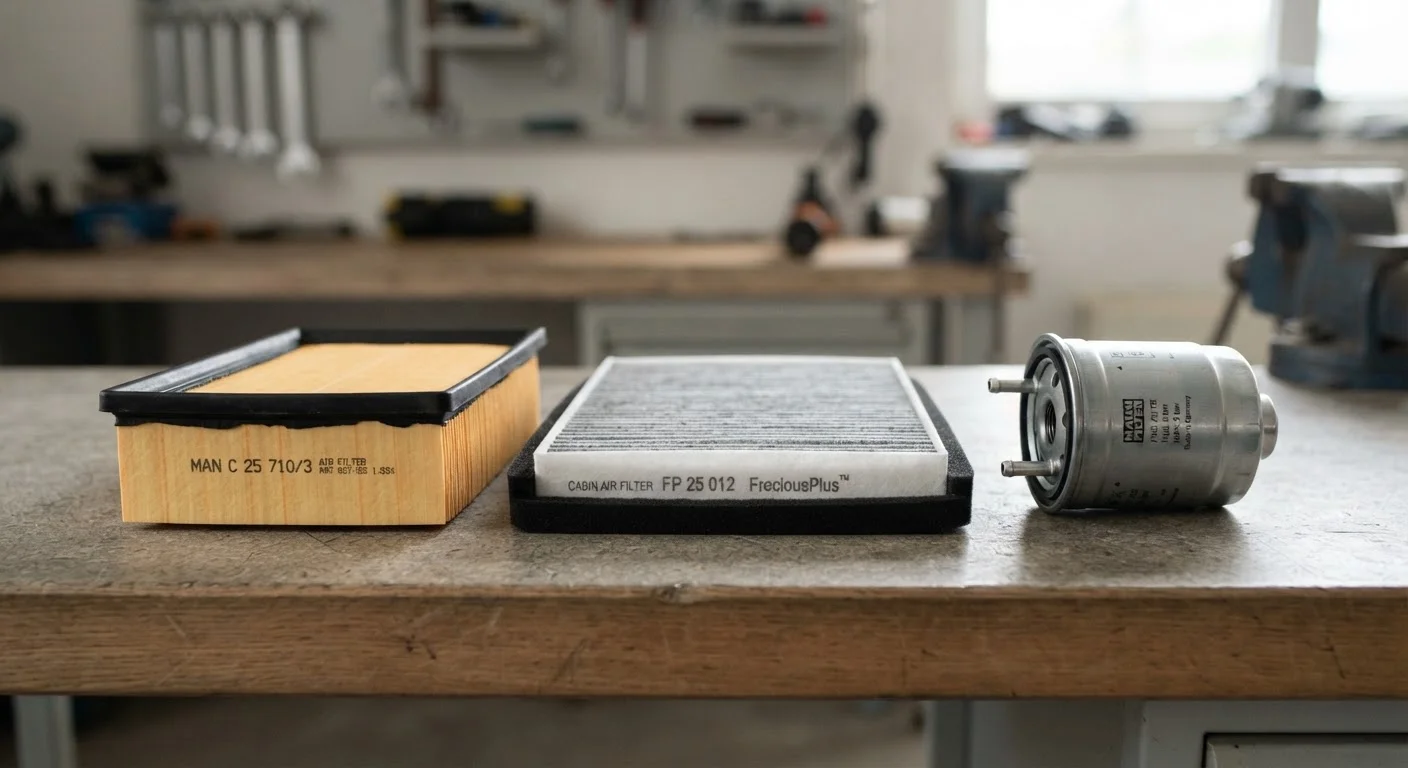
Maintaining these gains also depends on a well-maintained vehicle. Worn spark plugs, clogged air filters, and low tyre pressure all erode the efficiency improvements driving technique can deliver. The car maintenance hub covers the mechanical side of keeping your vehicle at its efficient best.
This article provides general driver education information. Fuel economy results vary based on vehicle condition, traffic, weather, and individual driving patterns. Always drive in accordance with local traffic laws and posted speed limits.