Purchase Price and Available Incentives
The purchase price gap between EVs and petrol vehicles remains real. A comparable EV typically costs $5,000-$15,000 more than its petrol counterpart at the point of sale. However, federal incentives can substantially narrow that gap. Under the Inflation Reduction Act, eligible new EVs may qualify for a federal tax credit of up to $7,500, while used EVs may qualify for up to $4,000 - subject to income, vehicle price, and assembly requirements.
State-level rebates and utility incentives add further variability. Because these programs change, verify current eligibility through the U.S. Department of Energy's official resources rather than relying on figures from any single source. For a broader breakdown of what goes into the real purchase calculation, see the true cost of owning a car beyond the sticker price.
Fuel and Energy Costs Over Five Years
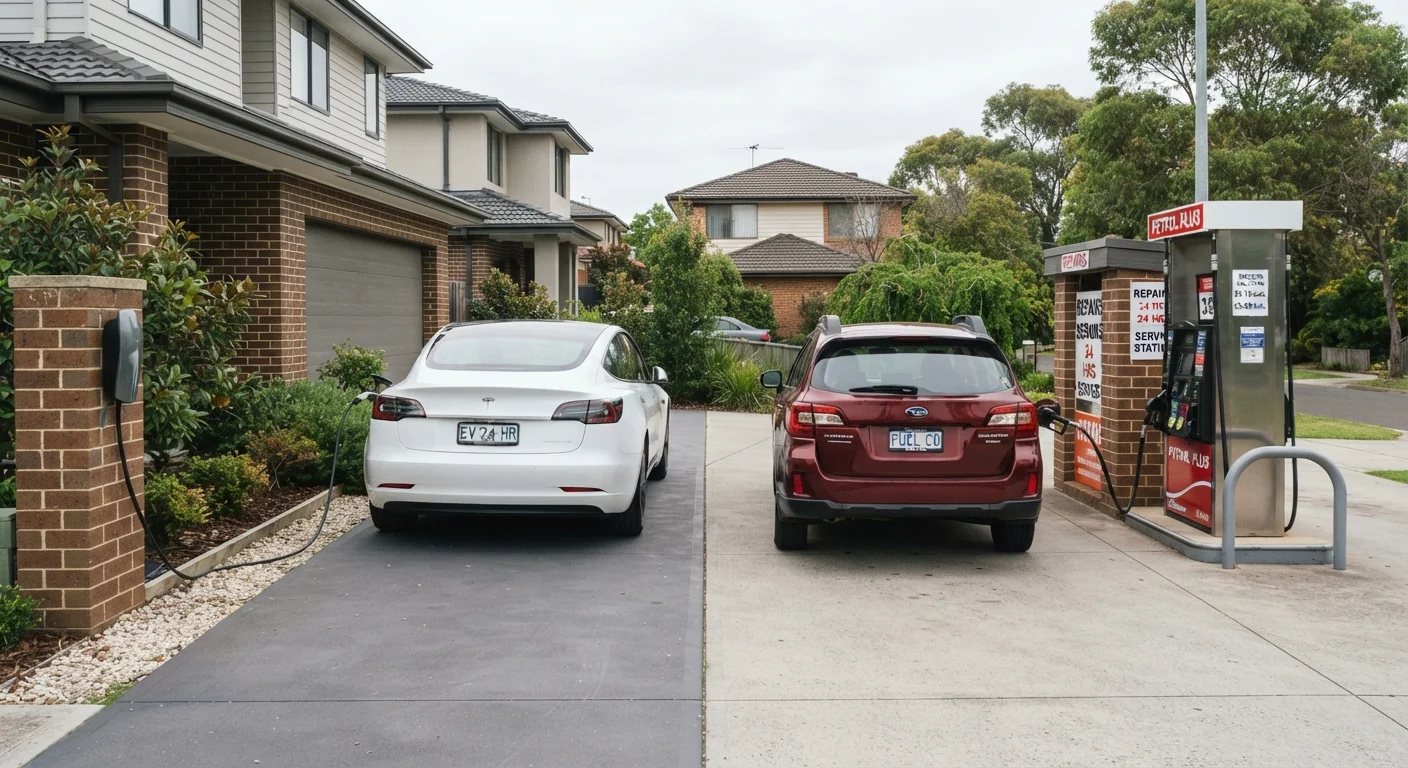
This is where EVs build their strongest case. The U.S. Department of Energy estimates that driving an EV costs roughly half as much per mile as driving a comparable petrol vehicle, though this depends on local electricity rates and petrol prices - both of which fluctuate.
At a national average of around 15,000 miles per year, a petrol vehicle averaging 30 mpg at $3.50/gallon costs approximately $1,750 annually in fuel. A comparable EV at 3.5 miles per kWh at $0.16/kWh costs roughly $685 per year to charge at home. Over five years, that's a potential difference of more than $5,000 in energy costs alone - before factoring in charging equipment installation, which typically runs $500-$2,000 for a Level 2 home charger.
For a detailed look at how driving habits affect long-run fuel expenses, see fuel costs over a car's lifetime.
~50%
EV cost savings per mile vs petrol
The U.S. Department of Energy estimates EVs cost roughly half as much per mile to fuel as comparable petrol vehicles under average conditions.
$7,500
Maximum federal EV tax credit
Under the Inflation Reduction Act, eligible new EV buyers may claim up to $7,500 in federal tax credits, subject to income and vehicle requirements.
$400-$900
Estimated annual EV maintenance savings
AAA and independent analyses suggest EV owners typically spend several hundred dollars less per year on scheduled maintenance than petrol vehicle owners.
Maintenance and Servicing Differences
EVs have fewer moving parts than petrol vehicles - no oil changes, no spark plugs, no transmission fluid, and fewer brake jobs due to regenerative braking. AAA estimates that EV owners spend meaningfully less per year on scheduled maintenance than petrol vehicle owners. Realistic annual maintenance savings often fall in the $400-$900 range, adding up to $2,000-$4,500 over a five-year period.
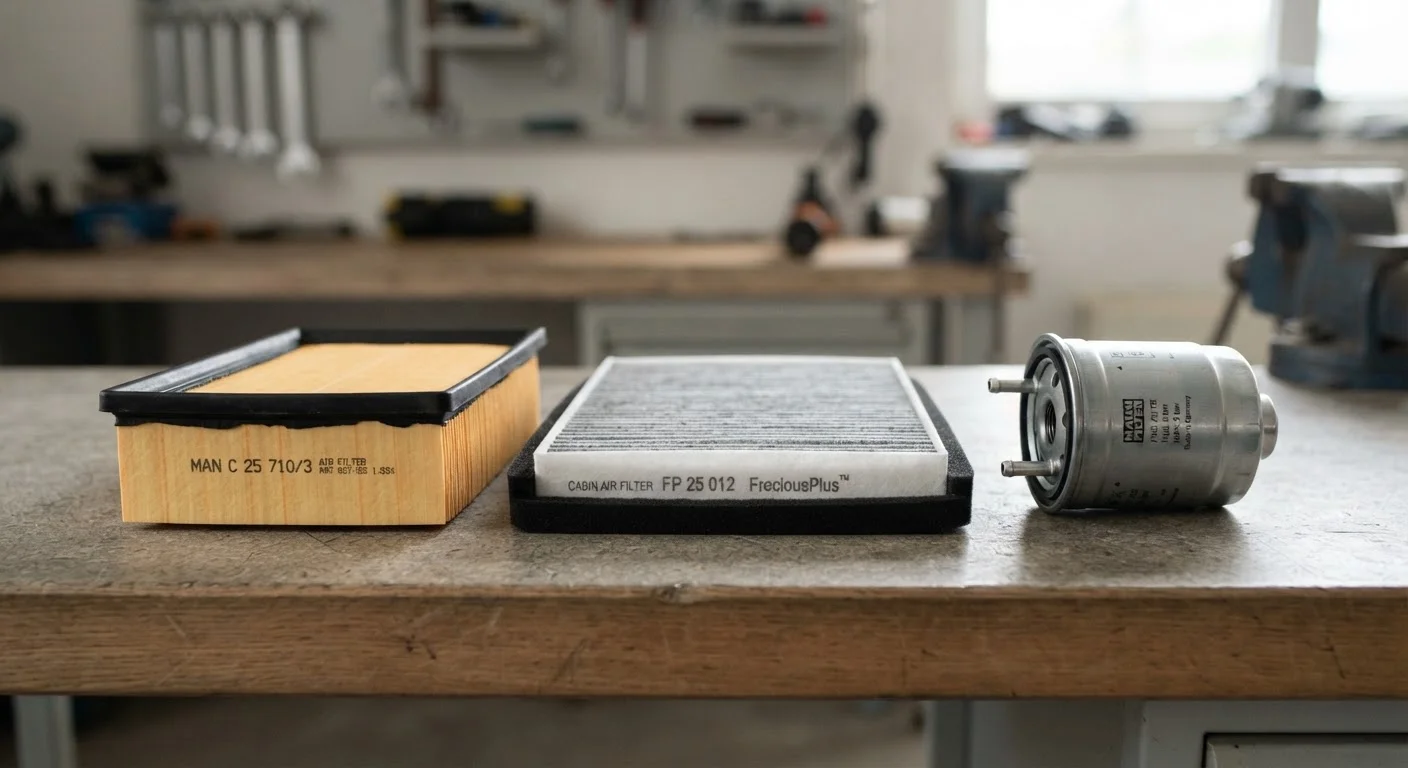
Petrol vehicles require oil changes every 5,000-7,500 miles, periodic air filter and spark plug replacements, and more frequent brake service. These are predictable but cumulative costs. For general car maintenance guidance, small habits can reduce servicing costs for either vehicle type.
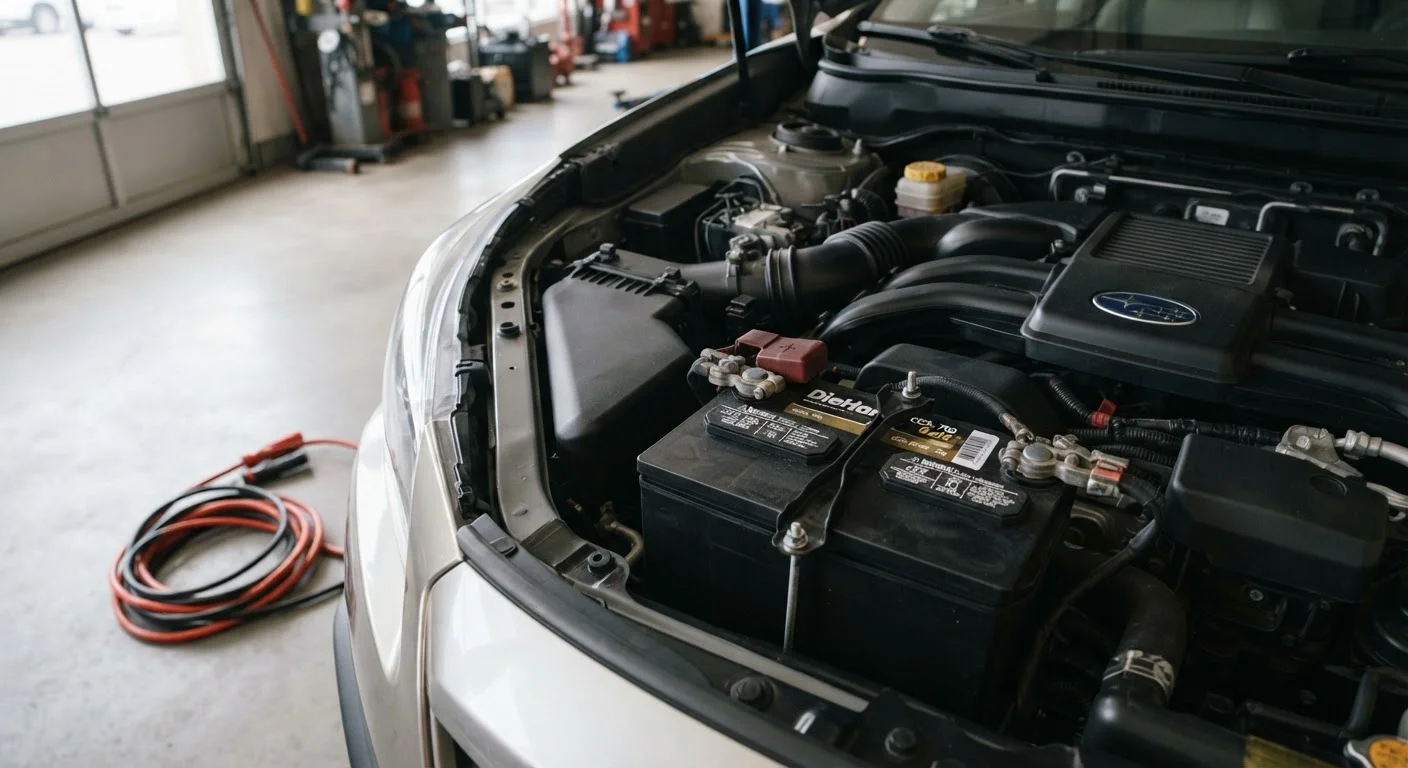
One significant EV-specific risk: battery replacement. While most EV manufacturers offer 8-year/100,000-mile battery warranties, a battery replacement outside warranty coverage can cost $10,000 or more - a cost with no direct petrol equivalent.
Battery Warranty: Know What's Covered
Most EV manufacturers offer a separate high-voltage battery warranty of at least 8 years or 100,000 miles, required by federal regulation for battery capacity. However, coverage terms for related components vary by manufacturer. Review your specific vehicle's battery warranty carefully before purchase - it can significantly affect your five-year cost exposure.
Insurance, Depreciation, and the Full Five-Year Picture
Insurance costs currently run higher for EVs than for comparable petrol vehicles - often 10-25% more, according to industry data - largely due to higher repair costs and parts availability. Over five years, this gap can represent $1,000-$3,000 in additional premiums depending on your location, driving record, and insurer.
Depreciation is the wildcard. Both EVs and petrol vehicles lose significant value in the first five years, but EV residual values vary more widely due to rapid model evolution and battery perception. Some popular EV models have shown strong resale value; others have depreciated sharply. Comparing new versus used car costs can help frame how depreciation affects total ownership math.
When all major cost categories are combined - purchase price (after incentives), fuel, maintenance, insurance, and estimated depreciation - many analyses suggest EVs reach cost parity with petrol vehicles somewhere between three and six years of ownership, depending heavily on individual driving patterns and local conditions. If you plan to keep either vehicle beyond five years, see the financial trade-offs of keeping a car long-term.