Why a Year-Round Checklist Matters for Cat Health
Cats are notoriously skilled at masking discomfort - a survival instinct that can make early illness detection genuinely difficult for owners. A structured, month-by-month approach helps you build preventive habits that catch small problems before they become costly or painful ones.
This checklist is organized into quarterly groupings, with specific seasonal tasks layered in throughout. Whether your cat is a healthy two-year-old or a senior navigating age-related changes, the framework applies - though the specifics of what your veterinarian recommends will vary by your cat's age, lifestyle (indoor vs. outdoor), and health history.
If you've recently adopted a cat, see our guide for first-time cat owners for foundational setup steps before diving into this annual routine. For owners managing older felines, our companion piece on feline ageing and changing health needs provides useful context.
This article is general health information for educational purposes and is not a substitute for professional veterinary advice. Always consult your veterinarian for guidance specific to your cat's health and history.
Vaccinations Are Not One-Size-Fits-All
Core vaccines (including rabies and FVRCP) follow schedules set in consultation with your veterinarian based on your cat's age and prior vaccination history. Non-core vaccines - such as those for feline leukemia - depend on your cat's lifestyle and risk profile. Never skip or delay vaccines without first discussing it with your vet, and bring your vaccination records to every visit.
What Tools and Resources You'll Need
Before working through the checklist items below, gather a few basics that will help you track your cat's health consistently throughout the year.
Pet health record folder or app
Stores vaccination dates, lab results, and vet visit notes in one accessible place for quick reference.
Digital kitchen or postal scale
Allows you to weigh your cat at home monthly to track subtle weight changes between vet visits.
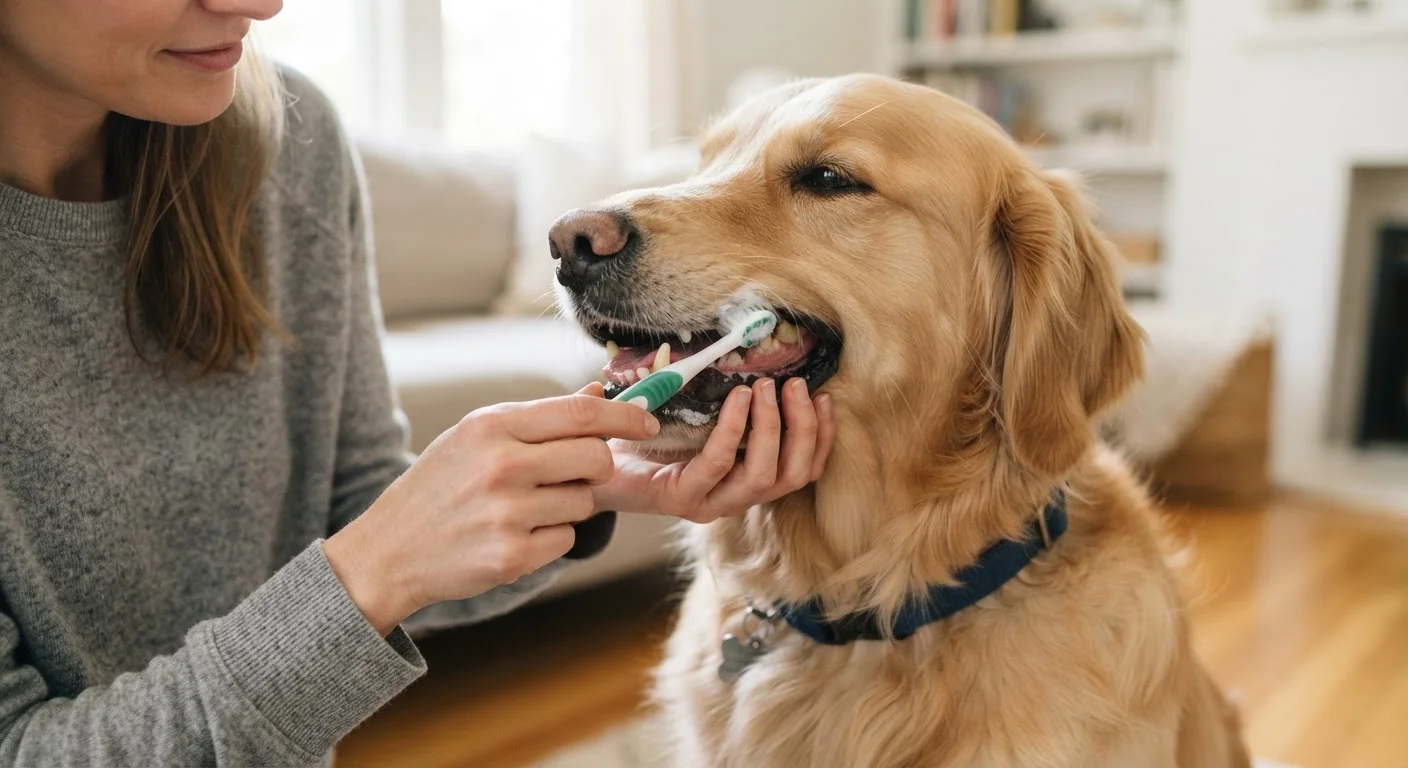
Cat toothbrush and enzymatic pet toothpaste
Used for weekly or daily at-home dental brushing to slow plaque and tartar buildup.
Flea comb
Helps you check your cat's coat for flea dirt and early signs of parasite activity during monthly coat checks.
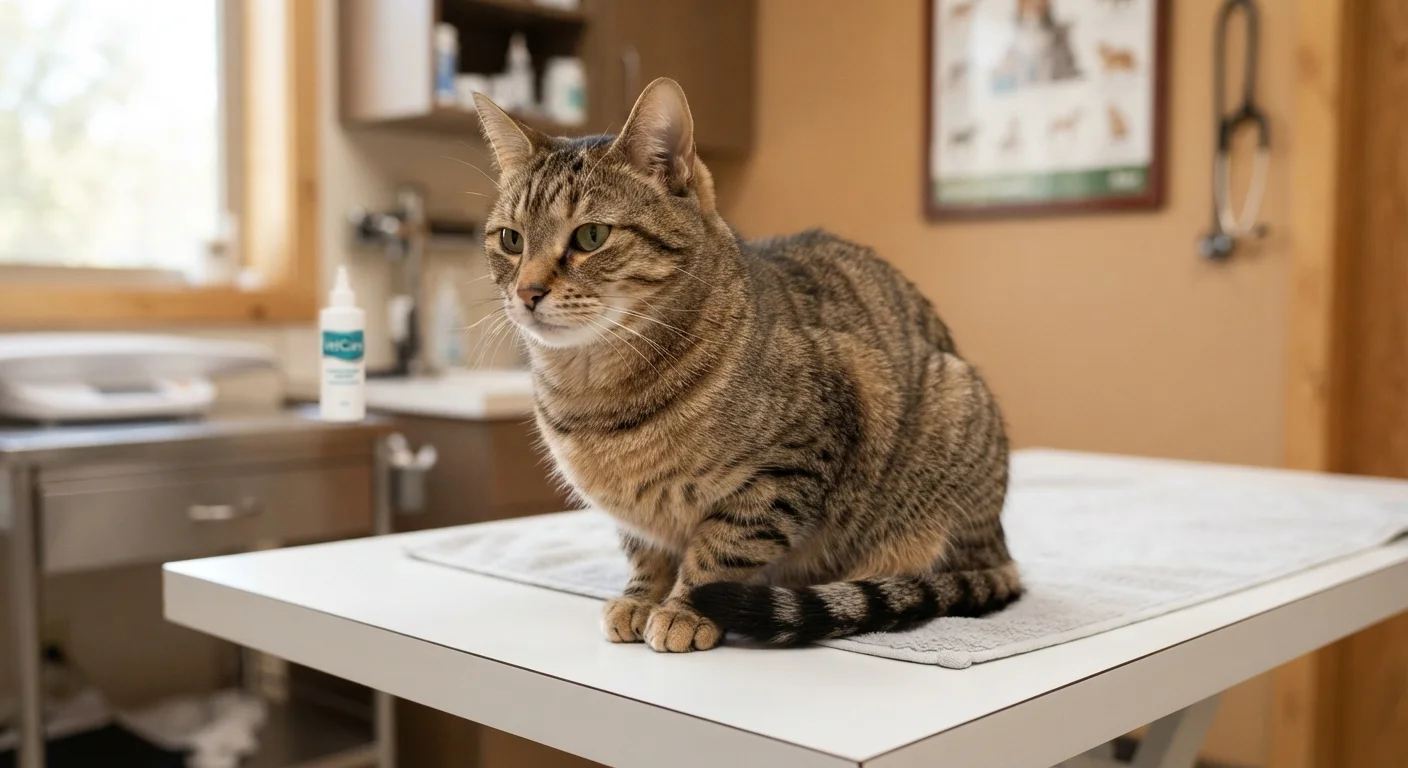
Cat carrier (hard-sided or soft-sided)
Necessary for safe transport to veterinary appointments; leaving it out year-round helps cats stay comfortable with it.
Nail clippers designed for cats
Enables regular nail trimming every 2-4 weeks to prevent overgrowth and ingrown nails.
Environmental enrichment items (puzzle feeders, climbing structures)
Supports mental stimulation and healthy weight management as part of your cat's ongoing lifestyle plan.
The Month-by-Month Checklist
The items below are grouped by season to reflect how care needs shift throughout the year. Some tasks recur monthly; others are annual milestones. Use this as a living reference - check items off, note dates, and carry it into each vet visit.
January-March: New Year Foundation
April-June: Spring Health Checks
July-September: Midsummer Monitoring
October-December: Year-End Review
Monthly Tasks (Year-Round)
Lilies Are a Life-Threatening Hazard
True lilies (including Easter lily, tiger lily, and daylily) are severely toxic to cats - even small ingestions of petals, leaves, or pollen can cause acute kidney failure. Keep all lily varieties out of any home with cats, and seek emergency veterinary care immediately if you suspect your cat has had any contact with a lily plant.
If you notice sudden changes in your cat's appetite, litter box behavior, grooming habits, or energy level at any point in the year, don't wait for a scheduled visit. Our article on signs your cat may need prompt veterinary care outlines which changes warrant an earlier appointment.
Tracking Progress and Adapting the Checklist
No checklist is one-size-fits-all. A strictly indoor cat in Minnesota has different parasite-exposure risks than a cat with outdoor access in Florida. Your veterinarian is your best resource for calibrating vaccine schedules, parasite protocols, and screening frequency to your cat's specific situation.
For dog owners looking for a parallel reference, our dog owner's annual vet visit checklist covers similar ground for canine wellness. And if you care for small companion animals alongside your cat, the small pets care hub offers species-specific guidance.
Keeping a simple health log - even a paper notebook or a shared note on your phone - makes it easier to notice gradual changes over months and gives your vet a clearer picture at every visit. Consistency, more than any single intervention, is what supports a long and healthy life for your cat.