When Does a Cat Become 'Senior'?
Veterinary consensus generally places cats in the mature category between ages 7 and 10, senior from 11 to 14, and geriatric at 15 and older. These aren't sharp transitions - they're useful frameworks for anticipating health needs rather than milestones that trigger overnight change.
Breed, lifestyle, and individual genetics all affect how quickly ageing shows up. Indoor cats typically live longer on average than outdoor cats, partly because they avoid trauma and infectious disease. For a practical comparison of how lifestyle shapes longevity, see Indoor vs. Outdoor Cats: Understanding the Tradeoffs.
The key takeaway: don't wait for visible decline before adjusting your approach. Proactive care from the mature stage onward tends to preserve quality of life significantly longer.
Physical Changes to Expect
Ageing affects virtually every body system in cats, though the pace varies widely. Here are the most clinically significant changes:
- Kidneys: Chronic kidney disease (CKD) is one of the most common conditions in older cats. The kidneys gradually lose the ability to filter waste, which can cause increased thirst, increased urination, and weight loss. Early detection through bloodwork is critical.
- Joints: Feline osteoarthritis is far more prevalent than many owners realize - studies suggest a majority of cats over 12 show radiographic evidence of joint changes. Cats often hide pain, so stiffness may appear only as reluctance to jump or subtle changes in gait.
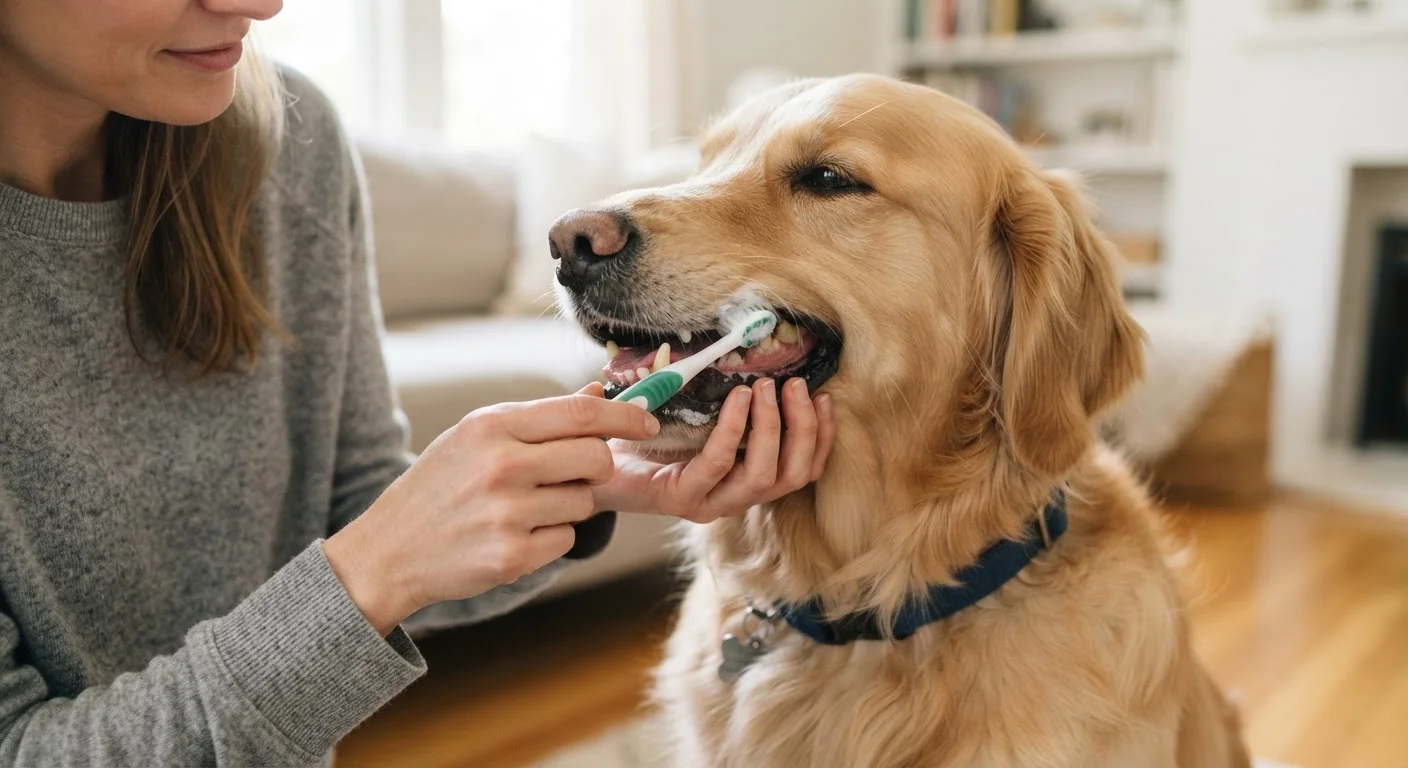
- Teeth and gums: Dental disease accumulates with age and can contribute to systemic inflammation. Regular dental exams matter more, not less, as cats get older.
- Coat and skin: Senior cats may groom less effectively, leading to matting or a duller coat. Skin can become thinner and more fragile.
- Senses: Gradual hearing loss and reduced visual acuity are common, though cats adapt well if their environment stays consistent.
When assessing joint discomfort in older cats, watch for changes in jumping behavior first - most cats will stop jumping to high perches before they show any obvious limping.
Cats instinctively mask pain, and reduced jumping height or frequency is often the earliest observable sign of arthritis, appearing well before a cat becomes visibly lame.
Ask your vet to establish a baseline blood panel for your cat during the mature years (ages 7-10), before any symptoms appear. Trends over time are far more informative than a single snapshot.
Early-stage kidney disease and hyperthyroidism often fall within 'normal' reference ranges initially; tracking change from an individual cat's own baseline catches these conditions sooner.
Behavioural and Cognitive Shifts
Behavioural changes in older cats are sometimes dismissed as personality quirks, but they frequently signal medical or cognitive changes worth investigating.
Feline cognitive dysfunction syndrome (CDS) - sometimes compared loosely to dementia in humans - can cause disorientation, altered sleep-wake cycles, increased vocalization (especially at night), and reduced interest in social interaction. If your cat seems confused or starts yowling after dark, mention it at your next vet visit rather than assuming it's just age.
Changes in social behavior may also be linked to pain. A cat that was previously affectionate but now avoids being touched may be protecting a sore joint or abdomen rather than experiencing a mood shift. Understanding subtle cues matters here - our guide on reading feline body language can help you interpret what your cat is communicating.
Conversely, some senior cats become clingier as their world narrows and they rely more on familiar people for security. Both patterns are worth tracking over time.
Nutritional Needs in Later Life
Older cats have genuinely different nutritional requirements - not simply smaller portions of the same food. Key considerations include:
- Protein: Contrary to older advice, most senior cats need adequate high-quality protein, not less protein. Muscle mass loss (sarcopenia) is a real risk, and protein supports muscle maintenance. Cats with diagnosed kidney disease may require adjusted protein intake under veterinary supervision.
- Hydration: Kidney and urinary health benefit from increased water intake. Wet food is an effective way to boost hydration without forcing water consumption. See Dry Food, Wet Food, or Both? for a detailed breakdown of the tradeoffs.
- Caloric needs: Some senior cats lose weight and need calorie-dense food; others become less active and gain weight. Neither trend should be assumed - track your cat's body condition score regularly.
- Digestive changes: Nutrient absorption can decline with age, making food quality more important than ever.
Always consult your veterinarian before switching a senior cat's diet, particularly if any chronic condition is involved.
Veterinary Care: What Changes and Why
Annual vet visits are appropriate for younger cats. For seniors, most veterinary guidelines recommend twice-yearly wellness exams, paired with routine bloodwork and urinalysis. Conditions like hyperthyroidism, CKD, and diabetes can develop and progress quickly in older cats - catching them at an early stage makes treatment significantly more manageable.
Don't Attribute Everything to 'Old Age'
A common mistake is assuming that weight loss, increased drinking, or reduced activity are simply inevitable signs of ageing. Many of these changes are symptoms of treatable conditions - hyperthyroidism, diabetes, or CKD - that respond well to early intervention. Never delay a vet consultation on the assumption that decline is just natural.
Know which symptoms warrant prompt attention rather than a wait-and-see approach. Our article on signs your cat may need a vet visit covers the warning signs owners most commonly underestimate. For a year-round preventive framework, the Annual Cat Care Health Checklist provides a practical month-by-month structure.
This article is general health information for educational purposes, not a substitute for veterinary advice. Always consult a licensed veterinarian about your individual cat's health needs.
Adapting Your Home for an Ageing Cat
Small environmental changes can make a meaningful difference to a senior cat's comfort and independence:
- Litter boxes: Switch to low-sided boxes or add a ramp. Arthritic cats may stop using a box they once navigated easily if the sides are too high.
- Resting spots: Provide steps or ramps to favorite furniture. Heated orthopedic beds support sore joints and are particularly appreciated in cooler months.
- Food and water placement: Raise bowls slightly to reduce neck strain, and place water sources near resting areas.
- Consistency: Cats with declining senses or early cognitive changes do better when furniture placement and daily routines stay predictable. Avoid major rearrangements if possible.
- Quiet spaces: Senior cats tire more easily and may need more time away from household noise. Ensure they have accessible, undisturbed retreat spots.
Ageing is not an illness - but it does call for an adjusted partnership. The cats who fare best in later life tend to be those whose owners noticed the early, subtle shifts and responded thoughtfully rather than waiting for an obvious problem to appear.