Why Litter Box Habits Break Down
A cat consistently using its litter box is so routine that problems stand out immediately - and often frustrate owners who struggle to identify a cause. The reality is that most litter box avoidance has a clear, addressable explanation rooted in how cats perceive cleanliness, safety, and territory.
Understanding a cat's underlying preferences is the starting point. Cats did not evolve to eliminate in enclosed, enclosed-scent environments. They seek loose substrate, privacy, and an escape route. When a household setup conflicts with those instincts - through a poorly placed box, an unfamiliar litter, or a space shared unwillingly with another cat - avoidance is a predictable outcome, not defiance.
For owners with indoor cats, getting the litter box environment right matters even more, since the box is the cat's only available elimination option. This article walks through the most common setup and maintenance mistakes, why they happen, and how to correct them.
Not cleaning the litter box frequently enough.
Why it happens: Many owners assume daily scooping is optional, especially with clumping or odor-absorbing litters marketed as long-lasting.
Placing the litter box in a high-traffic or noisy area.
Why it happens: Owners often tuck boxes near laundry machines or in busy hallways for human convenience without considering how cats experience those spaces.
Not providing enough litter boxes for a multi-cat household.
Why it happens: The relationship between box count and cat count isn't intuitive, and many owners assume one box is sufficient for two or three cats.
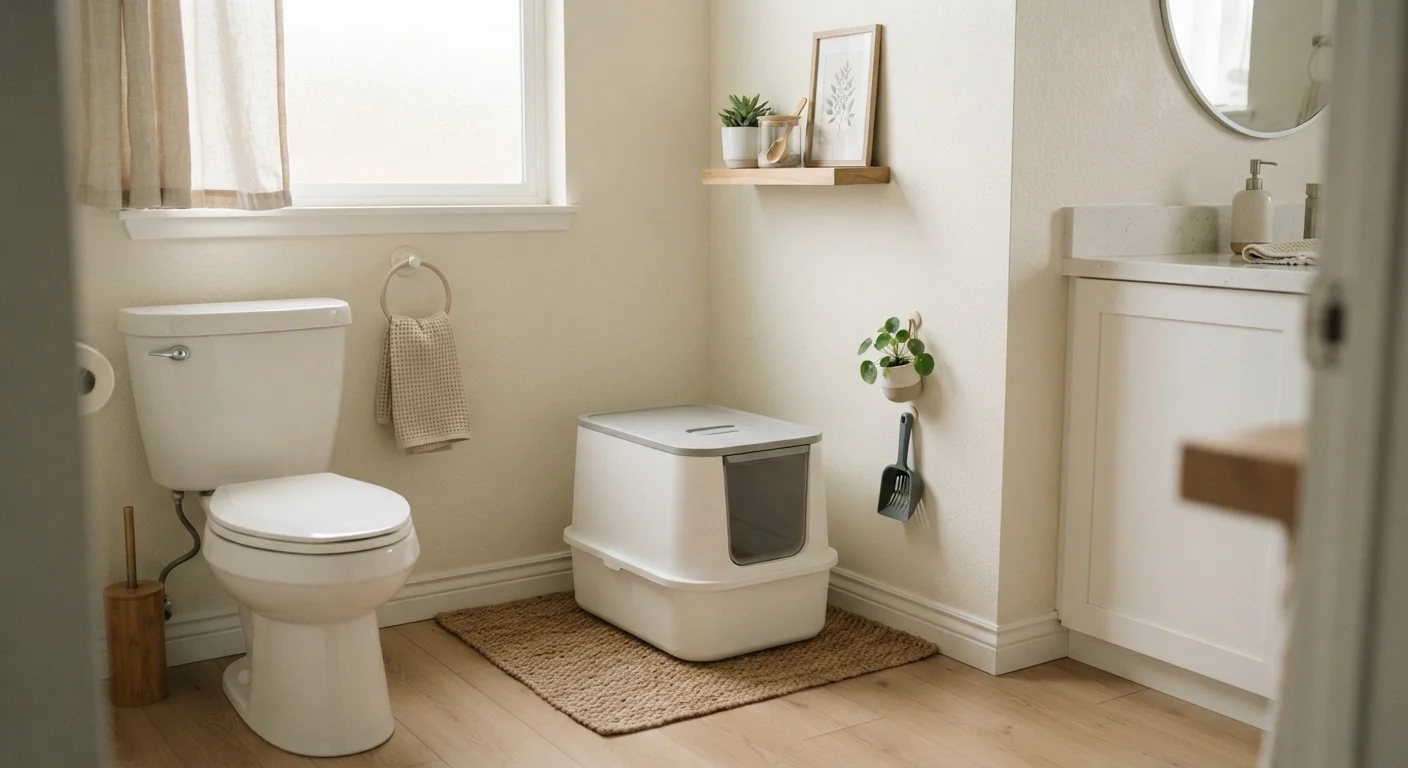
Using a covered or hooded litter box when the cat dislikes it.
Why it happens: Covered boxes contain odor for humans and look tidier, making them a popular choice even when the cat's preference is never tested.
Switching litter types abruptly without a transition period.
Why it happens: Cost changes, product availability, or environmental concerns lead owners to switch litters without realizing cats can be strongly attached to a familiar texture and scent.
Ignoring litter box changes as a potential medical signal.
Why it happens: Owners often default to behavioral explanations - spite, stubbornness, stress - before considering a physical cause.
When the Problem Goes Beyond Setup
Even with a perfectly maintained, ideally placed, cat-approved litter box, some problems persist - and those cases demand a different response. Medical conditions are a frequently overlooked driver of litter box avoidance, particularly in cats over seven years old.
Sudden Changes May Signal a Health Problem
If a cat that previously used the litter box consistently begins eliminating outside it without any environmental change, a veterinary visit is warranted before assuming it's a behavioral issue. Urinary tract infections, kidney disease, and other conditions commonly manifest as litter box changes. Do not attempt to correct what may be a medical problem through behavioral strategies alone.
Arthritis, for example, can make stepping over a high-sided box painful. Urinary conditions may cause a cat to associate the box itself with discomfort and begin avoiding it. Cognitive decline in senior cats can cause spatial disorientation. None of these respond to behavioral interventions alone.
It's also worth examining household stress. The introduction of a new pet, a move, construction noise, or even a change in the owner's schedule can trigger regression in otherwise reliable cats. In these cases, temporarily increasing box count, reintroducing a previously used litter type, and adding environmental enrichment often help stabilize behavior.
For a broader look at feline health signals that owners sometimes misread, common cat health myths is a useful companion resource. Cats communicate through behavior changes more often than most owners realize, and litter box habits are one of the clearest windows into their wellbeing.
Scented Products Can Drive Cats Away
Heavily scented litters, deodorizing sprays, and scented liners may mask odors for humans but can be overwhelming - and aversive - to cats, whose sense of smell is far more sensitive than ours. If your cat is avoiding the box, scented products inside or near it are a common and easily overlooked culprit.
This article is for general informational purposes only and does not constitute veterinary or medical advice. Always consult a licensed veterinarian for concerns about your cat's health or behavior.