Why Cat Health Myths Are Worth Taking Seriously
Cat owners are often confident they know their pets well - and that confidence can make it surprisingly easy to act on misinformation. A belief held casually, like assuming a cat will always land safely or that purring signals good health, can delay a vet visit or steer a feeding decision in the wrong direction. The myths below have persisted partly because they contain a sliver of truth, and partly because cats are naturally secretive animals who rarely broadcast distress. Understanding what's actually true - and why - helps you make better decisions for your cat's long-term wellbeing.
For a broader picture of what your cat is communicating through behavior, see what your cat's body language is actually telling you.
Myth
Cats always land on their feet, so falls aren't dangerous.
Fact
Cats have a righting reflex, but it doesn't protect them from injury - especially in falls from moderate heights.
Cats do possess a well-documented righting reflex - an instinctive ability to rotate their bodies mid-air to orient feet-downward. However, this reflex requires enough time to complete, meaning very short falls can actually be more dangerous than longer ones. More importantly, landing feet-first doesn't prevent broken legs, chest trauma, or internal injuries. Veterinary emergency rooms regularly treat cats for fall-related fractures and organ damage. Any fall from a significant height warrants a prompt veterinary evaluation, even if the cat appears to walk away normally.
Myth
A purring cat is always a happy, healthy cat.
Fact
Cats purr in many emotional and physical states, including pain, fear, and illness.
Purring is one of the most misread feline signals. While cats do purr when content, research in animal behavior shows they also purr when anxious, injured, or unwell - possibly as a self-soothing mechanism. Some evidence suggests the low-frequency vibrations of purring may support tissue healing, which could explain why cats purr during recovery. The takeaway: purring is not a reliable health indicator on its own. Pair it with other cues - appetite, posture, litter box habits, and social engagement - to assess how your cat is actually doing. Our guide on how cats show affection covers related behavioral nuances.
Myth
Cats are self-sufficient and don't need regular vet visits if they seem fine.
Fact
Cats are instinctively good at masking pain and illness, making routine exams essential even when no symptoms are visible.
As prey animals that evolved to hide vulnerability, cats are remarkably skilled at concealing discomfort. Conditions like kidney disease, dental disease, hyperthyroidism, and diabetes can progress significantly before a cat shows obvious signs. Annual veterinary checkups - and more frequent visits for senior cats - allow for bloodwork, dental assessments, and weight monitoring that catch problems early. Waiting until a cat looks sick often means treatment begins later than is ideal. For more on how health needs shift over time, see what changes as your cat gets older.
Myth
Cats can thrive on a vegetarian or vegan diet.
Fact
Cats are obligate carnivores and require nutrients found only in animal tissue - a plant-based diet can cause serious deficiencies.
Unlike humans or even dogs, cats cannot synthesize several essential nutrients on their own. Taurine, arachidonic acid, and preformed vitamin A must come from animal sources. Taurine deficiency alone can lead to dilated cardiomyopathy (a serious heart condition) and retinal degeneration. Commercial plant-based diets may attempt supplementation, but the long-term adequacy of such approaches for cats is not supported by established veterinary nutrition consensus. Feeding a cat a diet that aligns with its biological needs is one of the most fundamental aspects of responsible ownership.
Myth
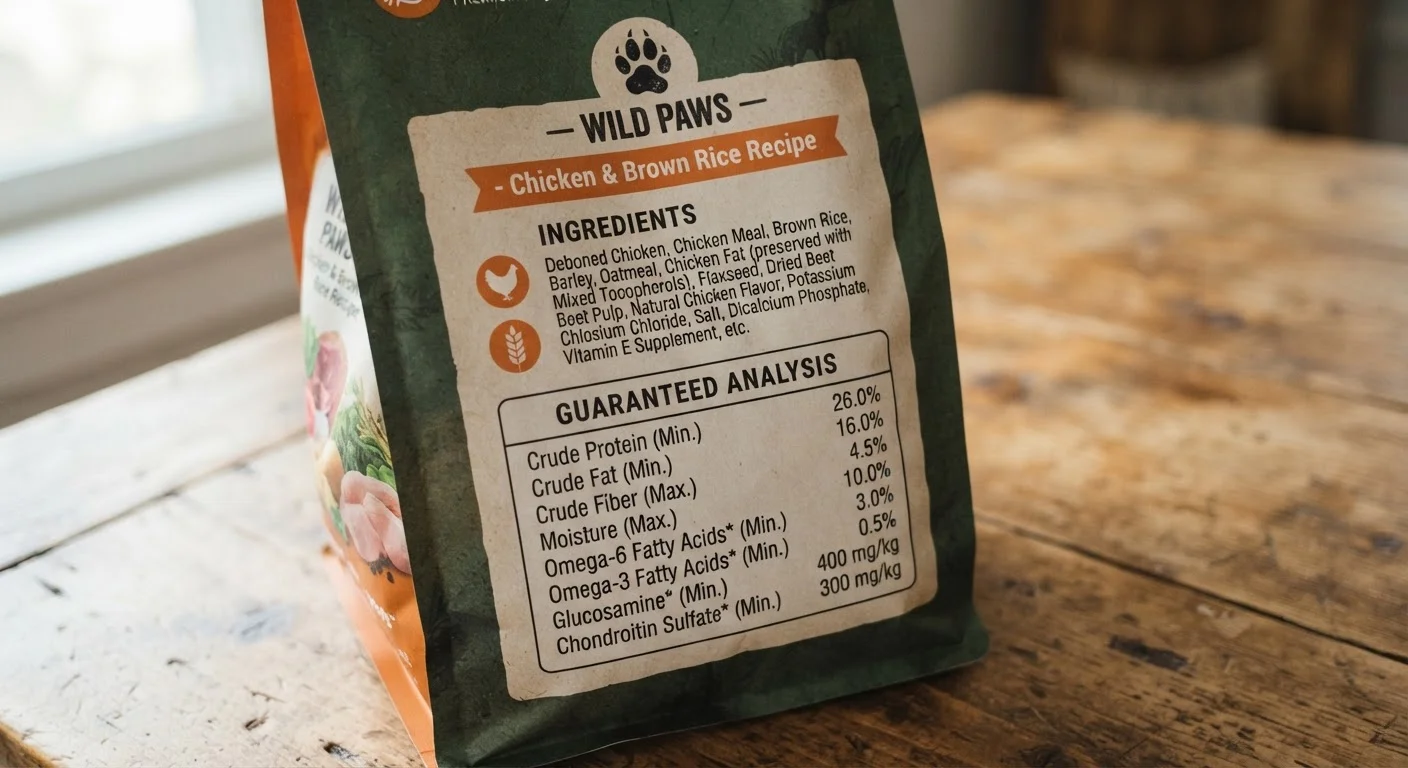
Dry kibble is all a cat needs - it keeps teeth clean and provides complete nutrition.
Fact
Dry food alone does not adequately clean teeth and may contribute to chronic low-level dehydration in cats.
Cats evolved in arid environments and have a naturally low thirst drive - they were designed to get most of their moisture from prey. Dry food contains roughly 10% moisture compared to 70-80% in wet food. Relying solely on kibble can leave cats chronically under-hydrated, which stresses the kidneys and urinary tract over time. As for dental benefits, most cats swallow kibble without significant chewing, limiting any mechanical cleaning effect. Veterinary dental disease remains extremely common regardless of diet type. A combination of feeding strategies, along with tooth brushing or veterinary dental cleanings, typically serves cats better than dry food alone.
Getting Your Cat's Care Right Every Day
Correcting these myths isn't just an intellectual exercise - it changes how you observe and respond to your cat. If you know purring isn't always a sign of happiness, you're more likely to look for other cues when something feels off. If you know dry food alone may leave your cat under-hydrated, you can adjust feeding strategy accordingly. See how dry and wet food differ for cats for a detailed breakdown of feeding options.
Indoor cats especially benefit from attentive owners who don't assume that a controlled environment means no health risks. Understanding the tradeoffs between indoor and outdoor cat lifestyles can help you weigh what your specific cat actually needs. And if you're just starting out, bringing a cat home for the first time covers foundational care from day one.
Don't Wait for Obvious Symptoms
Because cats hide illness so effectively, by the time a problem becomes visible, it may already be advanced. If your cat's eating habits, litter box behavior, weight, or activity level change - even subtly - contact your veterinarian rather than waiting to see if it resolves. Early intervention consistently leads to better outcomes across a wide range of feline health conditions.
This article is for general informational purposes only and does not constitute veterinary or medical advice. Always consult a licensed veterinarian for concerns about your cat's health, diet, or behavior.