What Sets Dry and Wet Cat Food Apart
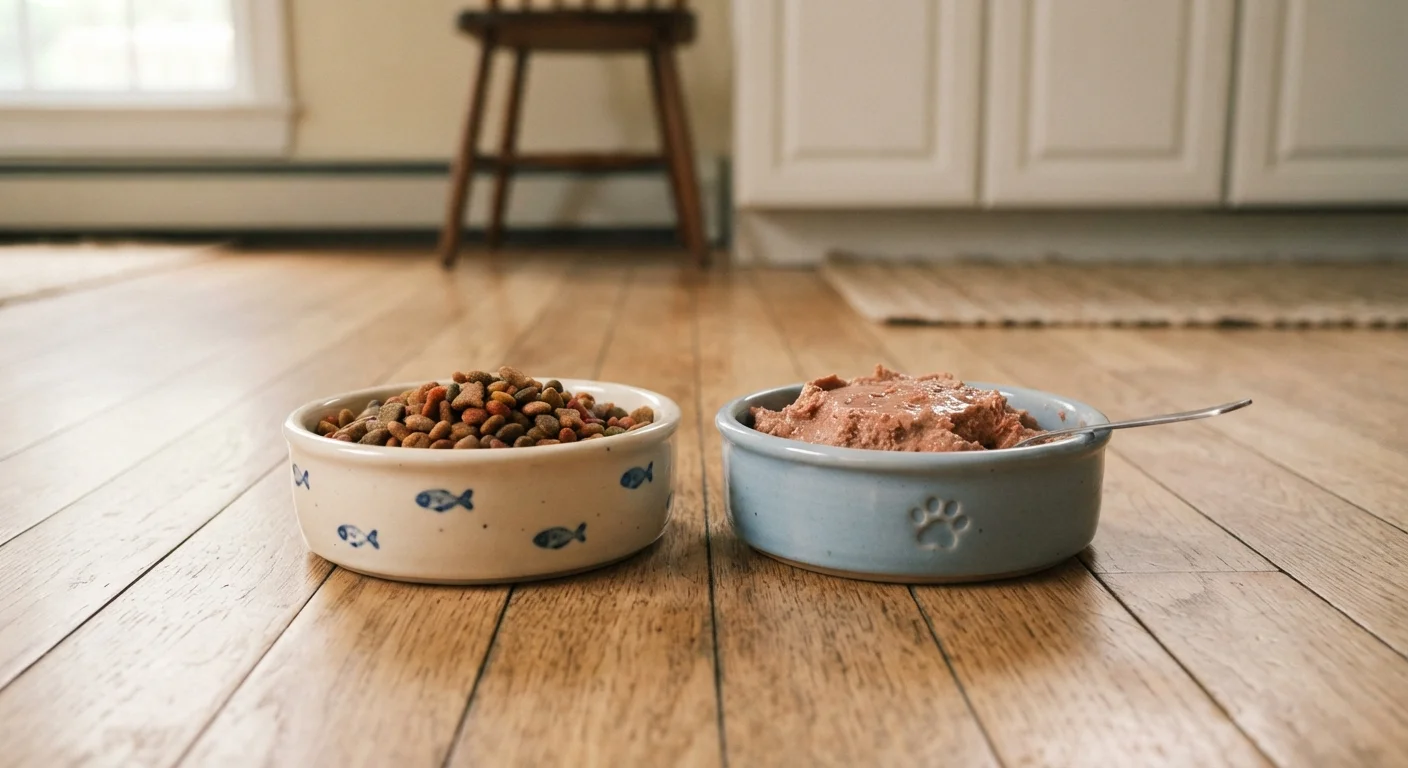
At the most basic level, dry kibble contains roughly 6-10% moisture, while wet (canned or pouch) food typically contains 70-80% moisture. That gap has real consequences for feline health, because cats evolved as desert animals with a naturally low thirst drive. In the wild, they obtained most of their water from prey - meaning their bodies are designed to extract hydration from food rather than drinking bowls.
Dry food is made by cooking and extruding ingredients at high temperatures, then spraying on fats and palatability enhancers. This process extends shelf life considerably. Wet food is typically cooked and sealed in an oxygen-free environment, which preserves nutrients without preservatives but requires refrigeration after opening.
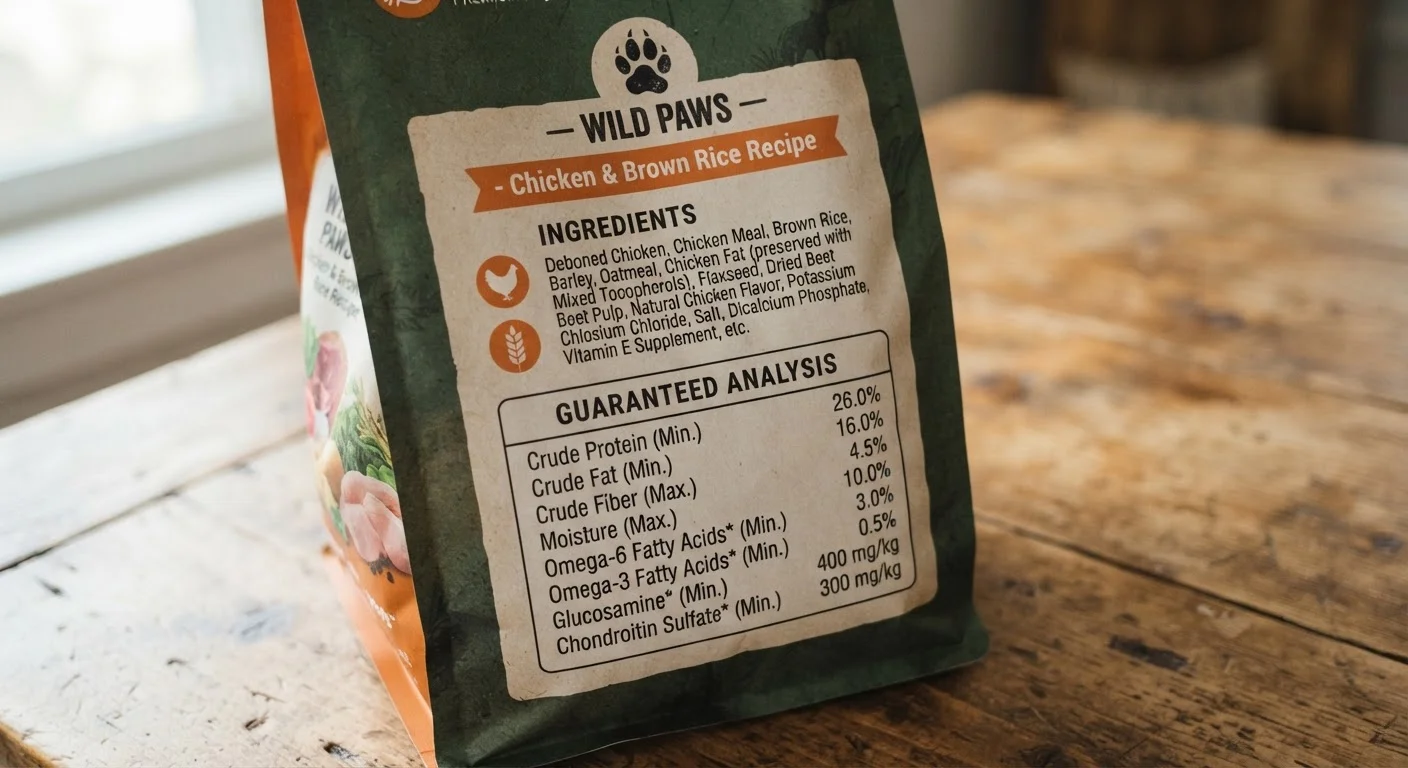
Both formats can be nutritionally complete when formulated to meet AAFCO standards, but their macronutrient ratios differ. Wet foods generally contain more protein and fat on a dry-matter basis, while dry foods are higher in carbohydrates - an energy source cats have limited metabolic machinery to process efficiently.
| Dry Food | Wet Food | |
|---|---|---|
| Moisture content | 6-10% | 70-80% |
| Protein (dry-matter basis) | Moderate | Generally higher |
| Carbohydrate content | Higher | Lower |
| Hydration support | Low - cats must drink separately | High - food itself supplies moisture |
| Shelf life (opened) | Weeks in sealed container | 1-2 days refrigerated |
| Cost per calorie | Generally lower | Generally higher |
| Suitability for free-feeding | Yes - safe to leave out | No - spoils within hours |
| Best suited for | Busy schedules, healthy cats, multi-cat homes | Urinary health, seniors, low-thirst cats |
Hydration: The Case for Wet Food
Low water intake is linked to a higher risk of feline lower urinary tract disease (FLUTD) and chronic kidney disease - two of the most common and costly health issues in domestic cats. Research consistently shows that cats fed wet food consume significantly more total daily water than those eating only dry food, even when dry-food cats have access to a water bowl.
For cats with existing kidney disease, urinary crystals, or recurrent bladder inflammation, most veterinarians will recommend increasing wet food in the diet to support urine dilution. For cats with no current health issues, a wet-food-dominant or combination approach still supports long-term kidney function.
Encourage Hydration Alongside Any Diet
Even cats fed primarily wet food benefit from fresh, clean water being available at all times. Many cats prefer running water - a pet water fountain can meaningfully increase voluntary water intake. Place water sources away from food bowls, as cats instinctively avoid water near their prey.
This is particularly relevant as cats age. See our guide to feline ageing for a detailed look at how nutritional needs shift in senior cats.
When Dry Food Makes Sense
Dry food's advantages are practical as much as nutritional. It can be left out for several hours without spoiling, making it suitable for free-feeding schedules or automated feeders. It's also more calorie-dense, which can be useful for underweight cats or those with higher energy needs. Some studies suggest that the mechanical action of chewing kibble may offer minor dental benefits, though this effect is modest - dental disease in cats requires more than diet alone to prevent.
Cost and convenience are real factors too. Dry food generally costs less per calorie than wet food, and a bag stores easily without refrigeration. For multi-cat households or owners managing tight budgets, this matters. For a balanced look at how feeding logistics change with multiple cats, our article on adding a second cat to your home covers the practical tradeoffs.
Combination Feeding: Making Both Formats Work
Many veterinary nutritionists consider a combination approach reasonable for healthy adult cats without specific medical conditions. Feeding wet food once or twice daily alongside a measured portion of dry kibble can provide hydration benefits while maintaining the convenience and dental stimulation of dry food.
The key is portion control. Combination feeding can lead to overfeeding if both formats are offered ad libitum (freely available at all times). Use caloric guidelines on packaging as a starting point, then adjust based on body condition - you should be able to feel but not see your cat's ribs. Your veterinarian can help you calculate an appropriate daily caloric target based on your cat's weight and activity level.
Transitioning between food types should be gradual - over seven to ten days - to avoid gastrointestinal upset. Cats can be neophobic about new textures and flavors, so patience is essential. For more on separating cat-care fact from fiction, including myths about what cats eat, visit our breakdown of common cat health myths.
This article is for general informational purposes only and does not constitute veterinary or medical advice. Always consult a licensed veterinarian for guidance specific to your cat's health and dietary needs.