
A Behavior That Puzzles Most Dog Owners
Walk your dog through any park or backyard and there's a good chance you'll see them pause, lower their nose, and start grazing like a small, enthusiastic cow. For many owners, the instinct is to pull the leash and wonder what's wrong. The truth is more straightforward: grass-eating, technically called pica when it involves non-food items habitually, is one of the most reported behaviors in domestic dogs - and it's widely observed in wild canid relatives too.
Research published in veterinary behavior journals has found that the vast majority of grass-eating dogs show no signs of illness beforehand and do not vomit afterward. That doesn't mean the behavior is always meaningless, but it does mean the reflexive alarm most owners feel is often unnecessary. Understanding the real reasons behind the habit - and separating them from popular myths - helps you respond appropriately rather than react.
Myth
Dogs eat grass because they're sick and trying to make themselves vomit.
Fact
Studies suggest fewer than 25% of dogs vomit after eating grass, and most show no signs of illness beforehand.
This is the most persistent myth around the behavior. A survey-based study published in Applied Animal Behaviour Science found that grass-eating was common across dogs of all ages, and the majority ate grass without appearing ill first and did not vomit afterward. Vomiting does happen, but it appears to be an occasional side effect rather than the goal. Attributing purposeful self-medication to dogs in this context overstates what current evidence supports.
Myth
If your dog eats grass, their diet must be missing something.
Fact
Grass-eating occurs in dogs on nutritionally complete diets just as frequently as in others.
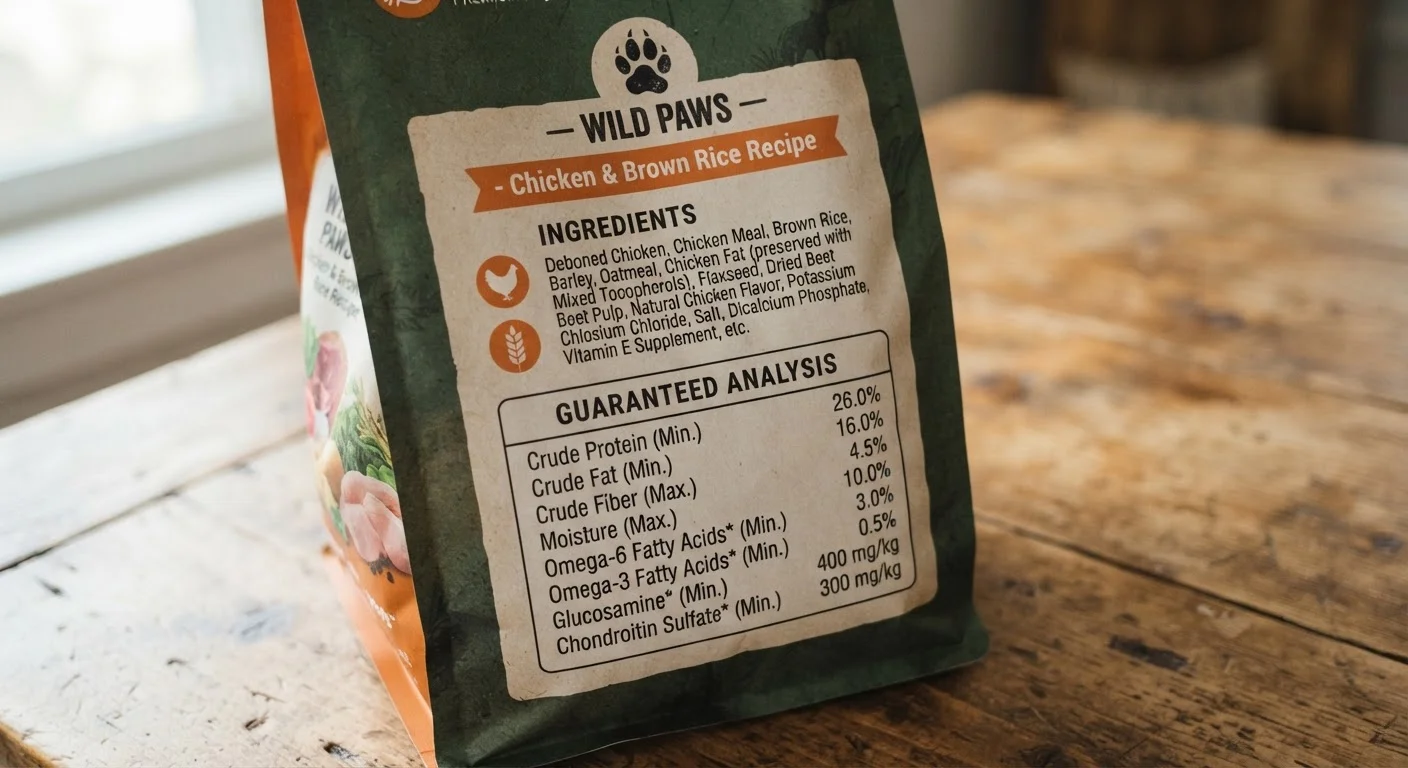
The fiber hypothesis - that dogs seek out grass to compensate for low dietary fiber - has some biological plausibility, since plant matter can aid digestion. However, research has not established a consistent link between grass-eating frequency and dietary deficiency. Dogs fed complete, balanced diets still graze regularly. If you have genuine concerns about your dog's nutritional intake, reviewing how to read canine nutrition labels is a more productive first step than assuming the diet is at fault.
Myth
Only unhealthy or unhappy dogs eat grass.
Fact
Grass-eating is observed in healthy, well-exercised, well-fed dogs - and in wild canids - suggesting it is a natural behavior.
Wolves and other wild canids have been documented consuming plant matter, including grass, as part of their normal behavioral repertoire. Grass and other vegetation have been found in stomach contents across multiple species. In domestic dogs, the behavior appears across all health statuses, ages, and breeds. Framing it as a symptom of unhappiness or neglect is inaccurate and can create unnecessary guilt for attentive owners.
Myth
Dogs who eat grass should be stopped every time.
Fact
Occasional grass-eating on safe, untreated ground generally requires no intervention.
For most dogs, occasional grazing is benign and intervening every time may actually increase the behavior's appeal through the attention it draws. The more important variable is the safety of the grass itself. Chemically treated grass - including lawns sprayed with herbicides or pesticides - is a genuine hazard. On verified-safe surfaces, mild grazing is usually best managed with calm redirection rather than alarm. Compulsive or dramatically increased grass-eating is a different matter and should be discussed with your veterinarian.
When to Actually Be Concerned
Context matters far more than the act itself. A dog who occasionally nibbles a few blades of grass on a morning walk is almost certainly fine. A dog who suddenly begins eating large quantities of grass compulsively, especially when paired with repeated vomiting, diarrhea, lethargy, or a noticeable drop in appetite, is showing a pattern that deserves veterinary attention. These combinations can indicate gastrointestinal distress, parasites, or other underlying conditions.
Watch for These Accompanying Symptoms
Grass-eating alone is rarely cause for alarm. However, if your dog is also vomiting repeatedly, appears lethargic, refuses food, or has blood in their stool, contact your veterinarian promptly. These signs together may indicate a gastrointestinal condition, toxic ingestion, or another health issue that needs professional evaluation - not a wait-and-see approach.
One practical concern that applies to every dog who grazes is chemical exposure. Lawns - including neighbors' yards, public parks, and golf courses - are frequently treated with herbicides, pesticides, and fertilizers. Many of these products carry real toxicity risk for dogs. If you don't control the land your dog walks on, limiting grass-eating is a reasonable precaution regardless of how healthy your dog appears.
If your dog's diet is nutritionally incomplete, a veterinarian or board-certified veterinary nutritionist can help you evaluate it. Our overview of core differences between feeding approaches is a useful starting point for that conversation. Behavioral grass-eating driven by boredom or anxiety often improves with increased physical activity, enrichment toys, or structured training time - not dietary changes. And if you're ever uncertain whether a behavior signals pain your dog is masking, our guide on recognizing subtle pain cues in dogs can help you read the full picture.
This article is for general informational purposes only and is not a substitute for professional veterinary advice. Always consult a licensed veterinarian about your individual dog's health.