Why Small Pets Are Harder to Read
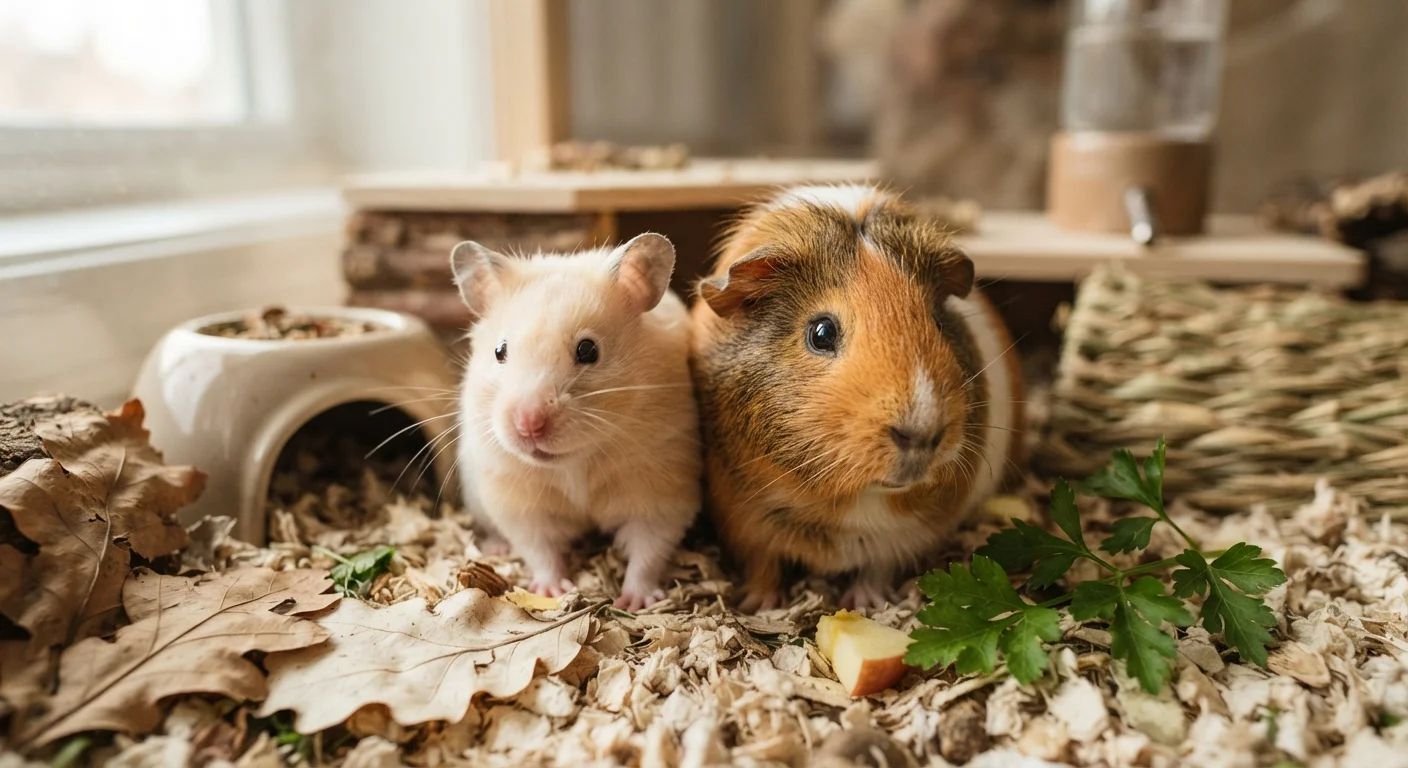
Rabbits, guinea pigs, hamsters, gerbils, chinchillas, and rats share a survival trait with many prey animals: they instinctively conceal signs of illness. In the wild, appearing weak invites predation. In a home setting, this instinct means that by the time a small pet shows obvious symptoms, the condition may already be moderately advanced.
This reference is designed to help owners build a baseline understanding of normal versus concerning signs - not to replace a veterinarian's judgment. If you observe any warning signs listed here, contact an exotic or small-animal veterinarian promptly. Waiting to see if symptoms resolve on their own is rarely the right call with small mammals.
For context on how similar challenges apply to other species, see our guide on why dogs also hide discomfort.
Signs of Good Health by Species
Before recognizing problems, owners need a clear picture of what normal looks like. Healthy baselines vary by species, but several markers apply broadly.
Eyes, Nose, and Coat
Eyes should be bright and fully open during waking hours, free of discharge or crustiness. The nose should be dry or only slightly moist - never runny or producing colored discharge. Fur should lie flat and look clean; rough, patchy, or dull coats often indicate nutritional gaps, parasites, or systemic illness.
Activity and Posture
Each species has its own activity rhythm. Guinea pigs and rabbits are most active at dawn and dusk; rats and hamsters are predominantly nocturnal. A pet that is consistently inactive during its normal active window warrants attention. Hunched posture, reluctance to move, or sitting in a corner with fluffed fur are recognized early-illness postures in small mammals.
Eating, Drinking, and Elimination
Small mammals - especially rabbits and guinea pigs - must eat nearly continuously to keep their digestive systems moving. A rabbit that stops eating for more than a few hours may be experiencing GI stasis, which is a medical emergency. Monitor water intake and fecal output daily; changes in pellet size, consistency, or frequency are often the first measurable indicator of internal change.
GI Stasis
A dangerous slowdown or complete halt of normal gut movement, most common in rabbits and guinea pigs. It can become life-threatening within hours and requires prompt veterinary treatment.
Malocclusion
Misalignment of the teeth, common in small herbivores whose teeth grow continuously. It prevents proper chewing and can lead to weight loss, drooling, and pain.
Prey animal masking
The instinctive behavior of animals lower on the food chain to hide signs of illness or weakness. This makes early detection of disease especially difficult in small pets.
Exotic veterinarian
A veterinarian with training and experience treating non-traditional companion animals such as rabbits, guinea pigs, chinchillas, and rodents. Not all general-practice vets have this specialty.
Warning Signs That Warrant a Vet Visit
The following signs should prompt a call to a small-animal or exotic veterinarian - not a wait-and-see approach. This list is a general reference, not an exhaustive diagnostic tool.
- Labored or audible breathing - clicking, wheezing, or visible effort to breathe is never normal in small mammals.
- Head tilt or loss of balance - can indicate ear infection, neurological issue, or parasite infestation depending on species.
- Significant weight loss - harder to spot under fur; weekly gentle weigh-ins on a kitchen scale help track trends.
- Overgrown or misaligned teeth - rabbits, guinea pigs, chinchillas, and rats have continuously growing teeth that can cause painful malocclusion if diet or genetics interfere.
- Diarrhea or no fecal output for 12+ hours - both extremes indicate digestive disruption requiring veterinary assessment.
- Discharge from eyes, nose, or genitals - may signal infection, respiratory illness, or reproductive disorders.
- Unusual lumps or swelling - rats in particular are prone to mammary tumors; any new mass should be evaluated.
- Seizures or sudden collapse - treat as an emergency.
Small pet ownership also comes with less-visible costs, including vet care for exactly these situations. Our article on the true costs of small pet ownership covers what to budget for.
This article provides general educational information only and is not a substitute for professional veterinary advice. Always consult a licensed veterinarian for health concerns specific to your pet.