What the Cage Price Doesn't Tell You
Walk into any pet store and you'll see starter kits for hamsters, gerbils, or guinea pigs priced to feel accessible. The enclosure, water bottle, and a bag of pellets might total under $60. What those displays don't show is that most starter kits are undersized for the animal's actual needs, and owners often replace them within months.
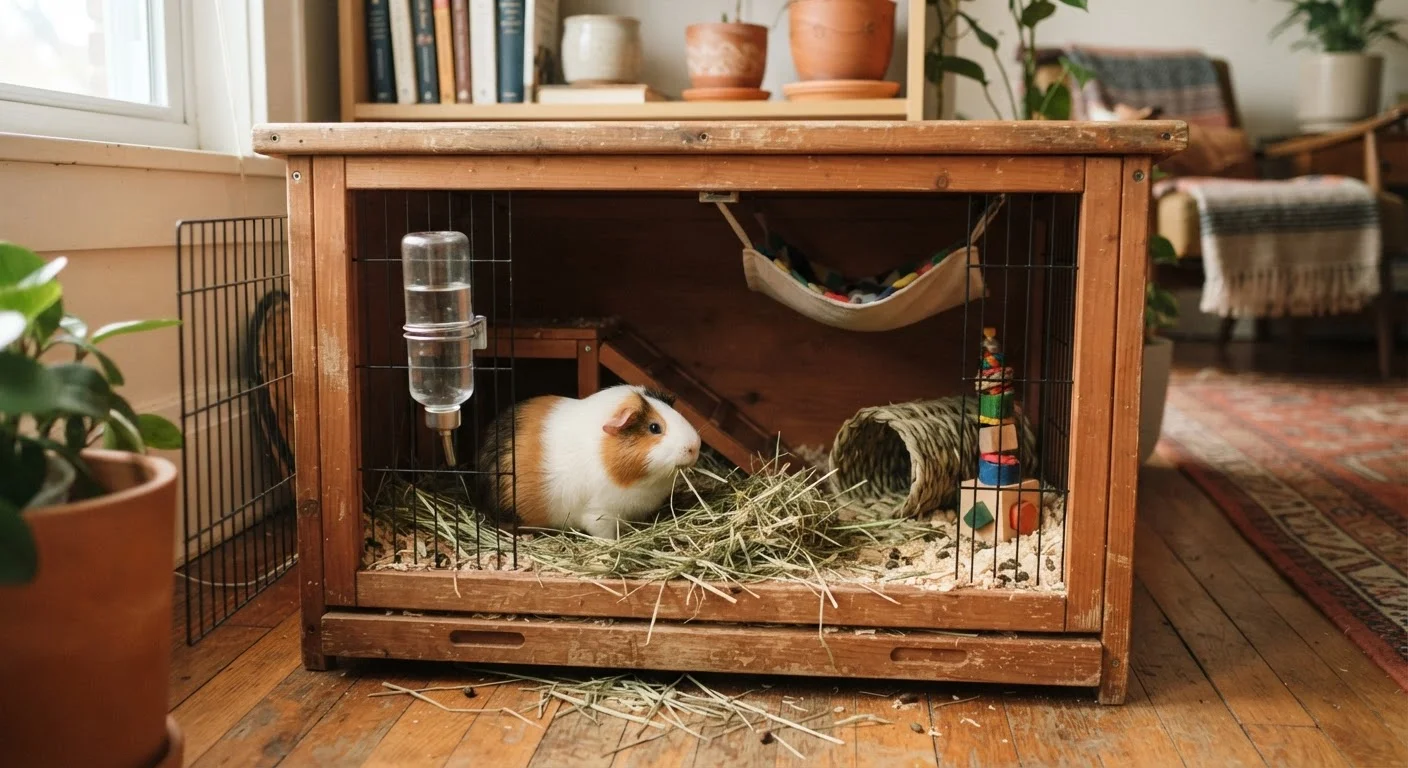
Habitat upgrades are one of the most consistent hidden costs new owners encounter. Rabbits, for example, require significantly more floor space than typical hutches provide - many rabbit welfare organizations recommend a minimum of 12 square feet of living space, plus time outside the enclosure daily. Guinea pigs are social animals that generally need to be kept in pairs or groups, meaning a larger habitat is necessary from day one.
Beyond the cage itself, bedding is a recurring weekly cost. Paper-based or aspen bedding for a single guinea pig enclosure can run $20-$40 per month depending on cage size and how often it's changed. That's $240-$480 per year on bedding alone - a figure most first-time owners don't anticipate.
Lower space requirements than dogs or cats
Most small pets can thrive in apartment settings, making them accessible to renters and those in smaller homes who couldn't accommodate a larger animal.
Generally quieter day-to-day companions
With the exception of some bird species, small pets produce far less noise than dogs, which can be a meaningful advantage in shared-wall housing.
Lower food costs than larger animals
Even with fresh hay and produce factored in, monthly food costs for a rabbit or guinea pig are typically lower than those for a medium-sized dog.
Shorter daily time commitment
Small pets don't require walks or extended outdoor exercise sessions, which suits owners with demanding schedules - though they do need daily interaction and enrichment.
Rewarding to observe and interact with
Many small animals develop recognizable personalities and routines, offering genuine companionship within a compact living arrangement.
Veterinary Care: The Expense Most Overlooked
Many small animals - rabbits, guinea pigs, chinchillas, parrots, and other birds - are classified as exotic pets in veterinary terms. This means not every general practice vet treats them, and those that do often charge higher rates due to the specialized knowledge required.
Routine wellness exams for an exotic small pet can cost $50-$150 per visit, compared to $45-$80 for a typical dog or cat checkup at a general practice. If your small animal needs diagnostics like X-rays or blood work, costs can climb quickly. Dental issues in rabbits, respiratory infections in guinea pigs, and feather or hormonal problems in birds are among the common conditions that lead to multi-visit treatment plans.
It's worth learning the early health signals for your species before a problem becomes urgent. Our guide to common small pet health signs covers what to watch for and when a vet visit is warranted.
$500-$1,000+
Estimated first-year cost for a rabbit
The House Rabbit Society and various exotic vet practice resources estimate first-year rabbit ownership costs well above the price of the animal itself.
3x-5x
Premium for exotic vet visits vs. general practice
Owners of exotic small pets commonly report paying significantly more per visit than dog or cat owners at general veterinary practices.
Enrichment, Diet, and the Costs That Repeat
Small pets have behavioral and nutritional needs that go beyond a daily pellet portion. Rabbits and guinea pigs need unlimited fresh hay - typically timothy hay - which forms the bulk of their diet and supports healthy digestion. A five-pound bag runs around $10-$20, and a single rabbit may go through that in two to three weeks.
Birds require species-appropriate diets that often include fresh vegetables, fruits, and formulated pellets in addition to seeds. Poor nutrition is one of the most common reasons bird owners end up at the vet. If you're new to bird keeping, our article on mistakes new bird owners frequently make is a practical starting point.
Enrichment - tunnels, chews, foraging toys, exercise wheels - is not optional for most small pets. Animals kept in bare enclosures without mental stimulation develop stress-related behaviors that can affect their health. Budget $5-$20 per month for rotating enrichment items, as animals often lose interest in the same toys over time.
If you're managing more than one species at home, costs compound further. Our guide to keeping multiple small pets covers how to plan space and care schedules when different animals share a household.
Pet Insurance for Small Animals
Pet insurance policies for exotic small animals do exist, but coverage varies widely by species and provider. Some policies exclude hereditary conditions or cap payouts per incident. Before enrolling, review exactly which species are covered, what conditions are excluded, and how reimbursement works. An emergency fund specifically for veterinary costs is an alternative worth considering alongside or instead of a policy.
Pros and Cons: The Honest Summary
Small pets offer real advantages - they require less space than dogs or cats, are generally quieter, and their day-to-day social demands are lower. But the financial picture is more complex than their modest price tags suggest.
Specialist vet care is harder to find and pricier
Exotic small pets require vets with specialized training, limiting your options and often raising the cost of routine and emergency care significantly.
Starter habitats are frequently undersized
Most commercially sold starter kits don't meet the space requirements recommended by animal welfare experts, leading owners to upgrade sooner than expected.
Recurring bedding costs add up quickly
Depending on the species and enclosure size, monthly bedding expenses alone can reach $40 or more - a cost often excluded from initial budgets.
Social animals need companions, doubling expenses
Guinea pigs and some other small animals are social species that generally should not be kept alone, which means food, space, and vet costs increase from the start.
Enrichment and diet variety are ongoing costs
Toys, chews, fresh produce, and species-specific foods are not optional extras - they're part of responsible care and represent consistent monthly spending.
Short lifespans can lead to emotional and financial cycles
Many small pets live two to five years, meaning owners who become attached may face end-of-life costs and the decision to adopt again relatively soon.
Understanding the full cost picture before bringing a small pet home is the same discipline that applies to any significant purchase. Just as hidden homeownership costs can catch new buyers off guard, small pet ownership has its own category of expenses that tend to surface after commitment is made.
This article is for general informational purposes only and does not constitute veterinary or financial advice. Consult a qualified veterinarian for guidance specific to your pet's health and needs.