Why the First Month Sets the Foundation
The habits formed in the first few weeks of bird ownership tend to stick - for both the owner and the bird. Birds are highly sensitive to routine, environment, and diet, which means early missteps can quietly compound into chronic stress, behavioral problems, or nutritional illness before owners realize anything is wrong.
Unlike dogs or cats, birds don't always signal distress in obvious ways. Understanding the most common mistakes new owners make - and why they happen - gives you a meaningful head start. If you're also navigating multi-pet introductions, our guide to introducing a new small pet to a home with other animals covers the additional layer of complexity that comes with existing pets.
~50%
Of pet birds fed seed-only diets show nutritional deficiencies
Avian veterinarians widely report that seed-heavy diets are a leading cause of vitamin A deficiency and other nutritional problems in companion birds.
2×
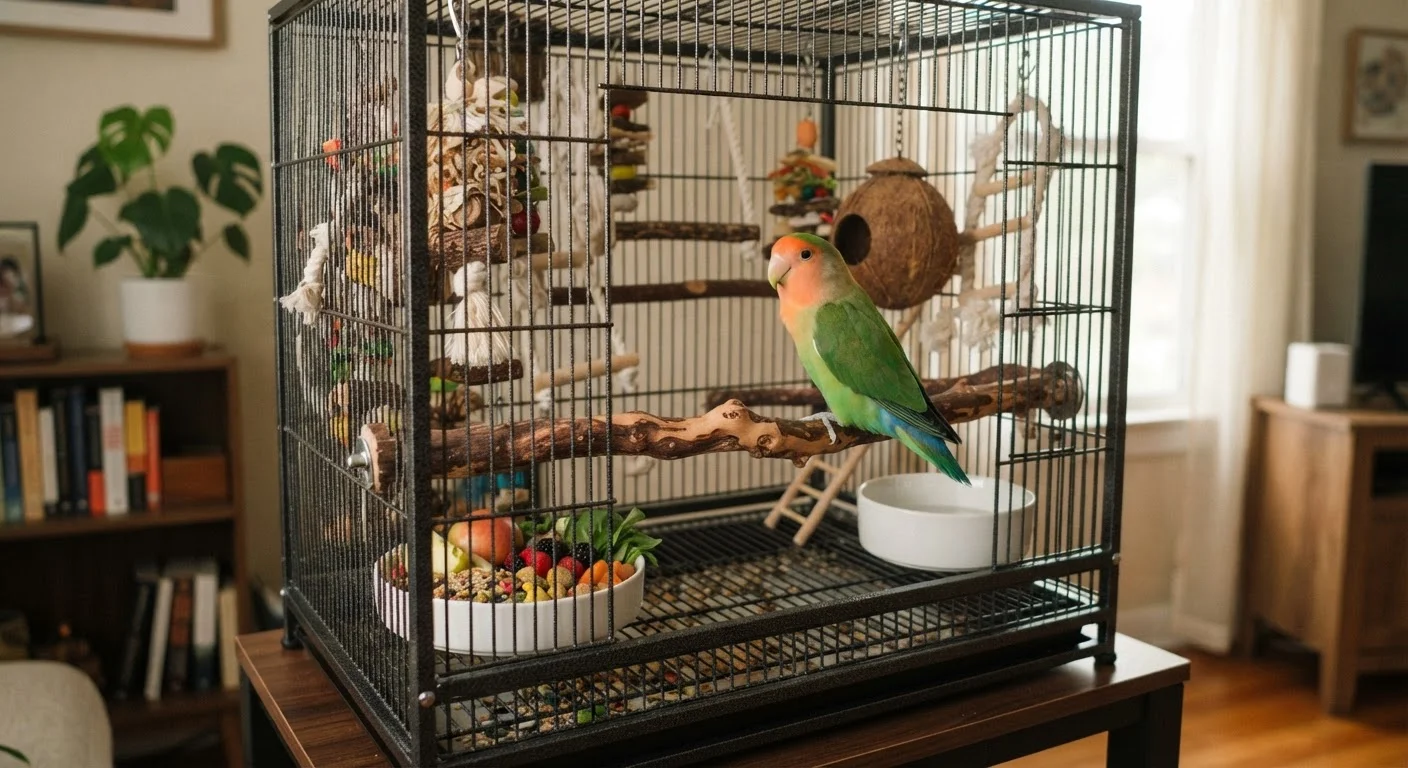
Minimum cage width relative to the bird's full wingspan
General avian husbandry guidelines recommend a cage at least twice as wide as the bird's full wingspan to allow adequate movement and exercise.
The Most Common Mistakes - and How to Avoid Them
The errors below are drawn from patterns avian veterinarians and experienced bird owners consistently identify in new owners. Most are entirely preventable once you know what to look for.
Choosing a cage that is too small for the species.
Why it happens: Pet store starter cages are often marketed by species name but sized for display convenience rather than genuine welfare. New owners take the label at face value.
Feeding an all-seed diet and assuming that is nutritionally complete.
Why it happens: Seeds are visually associated with birds, are inexpensive, and birds often prefer them - making owners think the bird is thriving when it may actually be malnourished.
Skipping the initial well-bird veterinary visit.
Why it happens: Birds that appear active and alert are often assumed to be healthy. Many owners wait until a bird appears obviously ill before booking an appointment.
Exposing birds to toxic household fumes and airborne hazards.
Why it happens: New owners are often unaware that birds have highly sensitive respiratory systems that react to substances harmless to mammals.
Handling the bird too much - or too little - in the first weeks.
Why it happens: Excited owners often push for interaction before the bird has adjusted, while more reserved owners avoid handling out of fear of stressing the animal.
Placing the cage in an isolated or high-traffic location.
Why it happens: Owners either tuck cages into quiet corners thinking it reduces stress, or place them in busy hallways without considering drafts and commotion.
Fume Exposure Can Be Rapidly Fatal
Overheated non-stick cookware releases fumes that are virtually odorless to humans but acutely toxic to birds. Even brief exposure can be lethal within minutes. Keep birds well away from kitchens during cooking, and avoid aerosol sprays, scented candles, and air fresheners near their living space. If a bird shows sudden respiratory distress, move it to fresh air immediately and contact an avian veterinarian.
It's also worth noting that the financial side of bird ownership catches many people off guard. Cage upgrades, avian vet visits, and enrichment items add up quickly. Our overview of the hidden costs of keeping small pets can help you plan realistically before problems arise.
Certain Common Foods Are Toxic to Birds
Avocado, onion, garlic, chocolate, caffeine, and alcohol are toxic to pet birds and should never be offered, even in small amounts. Some fruit seeds and pits - including apple seeds - also contain compounds harmful to birds. When introducing any new food, verify its safety with a credible avian resource or your veterinarian first.
This article provides general educational information about companion bird care and is not a substitute for professional veterinary advice. If you have concerns about your bird's health or behavior, consult a qualified avian veterinarian.